

Why Is the Magnetron Tube the Core Power Source in High-Performance Heating Equipment?
2025-11-20
I understand how critical it is to explain a technical product in a way that is both accessible and professionally deep. When I talk about a Magnetron Tube, I am referring to the central microwave-generating component used in systems such as microwave ovens, industrial heating machinery, radar systems, medical equipment, automotive sensors, and various energy-conversion devices.
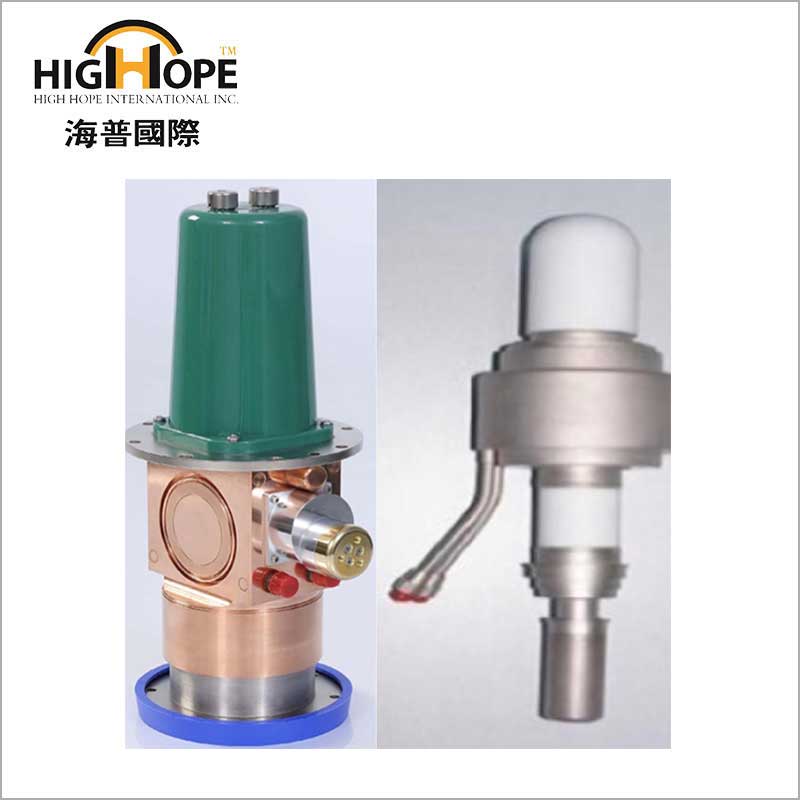
In the simplest terms, a magnetron tube converts electrical energy into high-frequency microwave energy. This microwave energy then heats, dries, sterilizes, scans, or tracks—making the magnetron tube one of the most important RF (radio frequency) components used across industries.
Product Parameters (Professional Specification Overview)
Below is a structured product parameter list for a standard high-performance Magnetron Tube:
| Parameter | Specification |
|---|---|
| Output Power | 700W / 800W / 900W / 1000W (customizable up to industrial levels) |
| Operating Frequency | 2.45 GHz (standard), optional 915 MHz for industrial units |
| Voltage Range | 3.3V – 4.2V filament; 4kV – 5kV anode |
| Efficiency | 65% – 80% depending on operating load |
| Cooling Method | Air-cooled or water-cooled depending on power class |
| Expected Lifespan | 2,000 – 10,000 hours based on model and workload |
| Core Materials | Ceramic/metal sealing, copper cathode, high-precision magnetic assembly |
| Environmental Tolerance | -20°C to 100°C (varies by grade) |
| Applications | Home microwaves, industrial driers, RF heating units, radar systems, sterilizers |
With these technical parameters in mind, I now go deeper into the core questions that matter to manufacturers, engineers, purchasing managers, and industrial users.
Why Are Magnetron Tubes So Widely Used and What Advantages Do They Offer?
In my professional experience, one dominant question users always ask is: Why is the magnetron tube still irreplaceable despite more advanced RF technologies emerging? The answer lies in a mix of physics, cost-effectiveness, power output, and reliability.
Key Advantages of Magnetron Tubes
1. High Energy Conversion Efficiency
A magnetron tube converts electrical energy into microwave energy with efficiencies reaching 80% in some models. This makes it especially valuable in heating, cooking, and industrial processing where energy loss must be minimized.
2. Powerful Output at a Competitive Cost
Compared with solid-state RF generators, the magnetron tube provides significantly higher power levels at a lower cost. This benefit becomes critical for industries such as food processing, rubber vulcanization, medical sterilization, and chemical drying.
3. Excellent Thermal Stability
Microwave frequency remains stable even during extended operation. Consistent heating performance is essential for industries where uniformity determines product quality.
4. Proven Technology with Long-Term Reliability
With decades of refined engineering behind it, the magnetron tube offers predictable performance, mature production capabilities, and consistent quality assurance.
5. Adaptability Across Applications
Whether it's high-volume commercial cooking or precision radar detection, the magnetron tube can operate in different environments and configurations.
Why Industries Continue to Prefer Magnetron Tubes
Despite advancements in semiconductor-based RF devices, magnetron tubes retain a significant advantage in applications requiring:
-
Mass power output
-
Cost-efficient microwave generation
-
Large-scale heating
-
Uniform microwave distribution
-
24/7 durability
This intersection of cost, output, and reliability ensures the magnetron tube remains the global standard in many sectors.
How Does a Magnetron Tube Work, and What Functions Make It Indispensable?
Understanding how a magnetron tube operates is the key to understanding its widespread adoption. I will break down the working mechanism in a simple but professional way.
How It Works: Technical Overview
-
Cathode Heating Begins the Process
The filament heats the cathode, causing electron emission. -
Magnetic Field Controls Electron Motion
A permanent magnet around the cavity forces electrons into circular paths. -
Microwave Oscillation Is Generated
Electron motion interacts with resonant cavities, producing microwave oscillations. -
Microwaves Are Extracted
Energy exits through an antenna into a waveguide, transmitting microwave energy to the target. -
Cooling System Maintains Stability
Industrial units often use active cooling to support long-duration high-power operation.
Core Functions of a Magnetron Tube
1. Microwave Heating
Magnetron tubes generate 2.45 GHz microwaves, ideal for deep, volumetric heating without physical contact. This makes them indispensable for:
-
Food heating and cooking
-
Industrial drying and dehydration
-
Medical sterilization without chemicals
2. Energy Conversion
They efficiently convert electrical energy into RF energy, serving industries that rely on rapid heat transfer.
3. Radar Application Function
At specific frequencies, magnetron tubes generate short, high-energy pulses for navigation and tracking systems.
4. Sterilization and Material Processing
Microwaves penetrate surfaces and destroy microbes without altering material composition.
5. Industrial-Grade Durability
Designed to operate in harsh environments, magnetron tubes withstand temperature fluctuations, high voltage loads, and high-frequency vibration.
What Trends Will Shape the Future of Magnetron Tubes and How Should Businesses Prepare?
The magnetron tube industry is evolving rapidly, influenced by industrial automation, energy transitions, emerging microwave applications, and global manufacturing modernization.
Future Trends to Watch
1. Higher Efficiency and Longer Lifespan
Manufacturers are pushing magnetron design toward improved thermal management, reduced energy loss, and enhanced durability. Advanced alloys and refined vacuum sealing will extend lifespan beyond 10,000 hours.
2. Growth of Industrial Microwave Heating
Industries like textiles, pharmaceuticals, plastics, chemicals, agriculture, and environmental treatment increasingly rely on microwave drying, sterilization, and material modification.
3. Integration with Smart Control Systems
Future magnetron tubes will integrate more deeply with:
-
Smart power controllers
-
Automatic frequency stabilizers
-
Digital monitoring systems
This allows more precise temperature and energy control.
4. New Applications in Renewable Energy
Microwave-assisted chemical reactions—such as hydrogen cracking, biomass conversion, or waste-to-energy processes—will further expand demand.
5. Hybrid Microwave Systems
Hybrid systems that combine solid-state RF generators with magnetron tubes may arise for applications requiring both high output and precise frequency adjustment.
Common FAQs About Magnetron Tubes
Q1: How long does a magnetron tube typically last?
A high-quality magnetron tube normally lasts between 2,000 and 10,000 hours, depending on usage patterns, cooling design, operating voltage stability, and workload intensity. Industrial units with optimized cooling can exceed standard lifespan ranges.
Q2: What causes a magnetron tube to fail?
Common causes include filament wear, overheating due to poor ventilation, excessive high voltage, moisture penetration, or waveguide contamination. Ensuring stable voltage and adequate cooling significantly reduces failure risk.
Q3: Can a magnetron tube be repaired?
Generally, magnetron tubes are not repaired because the internal sealed high-vacuum structure makes repair impractical. Replacement is the standard approach to ensure performance and safety.
Why Choose Our Magnetron Tube and How to Contact Us
After years working in the SEO and industrial product field, I can confidently say that the magnetron tube remains one of the most powerful and cost-efficient solutions for microwave generation across dozens of industries. Its combination of high output, reliability, energy efficiency, and adaptability ensures that it will continue serving both consumer and industrial markets well into the future.
Our magnetron tube products deliver high performance, stable frequency output, long operational lifespan, and precise engineering suited for both home appliance manufacturers and heavy industrial users. With robust materials, professional manufacturing processes, and strict quality control, our solutions are designed for long-term reliability.
If you are looking for dependable, high-quality magnetron tubes, our brand HIGHHOPE provides engineered solutions that meet global standards and diverse industry needs.
For more information, product customization, or bulk purchase details, please contact us.