

Why Is Air Compressor Crucial for Modern Industries?
2025-09-29
We uncover the backbone of countless industries. Air compressors are mechanical devices that convert power—using electric motors, diesel, or gasoline engines—into potential energy stored in compressed air. This compressed air is then used in a wide range of applications, from powering pneumatic tools and spray painting to large-scale industrial processes.
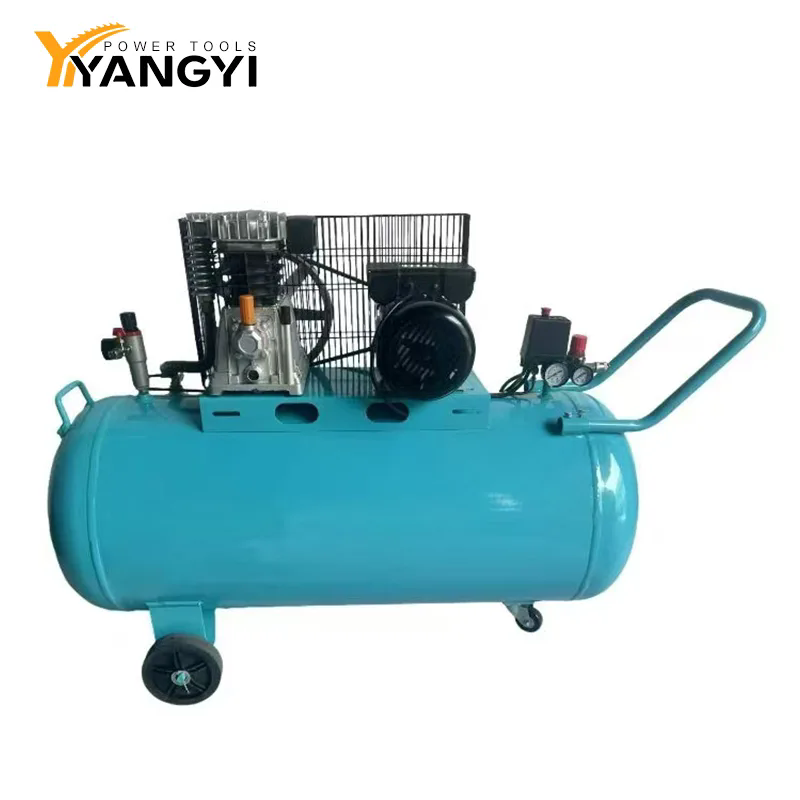
In construction, air compressors drive jackhammers, nail guns, and drills. In manufacturing, they deliver continuous airflow to operate conveyor belts, packaging machines, and robotics. In healthcare, they provide clean, pressurized air for ventilators and dental equipment. Even in homes, small air compressors inflate tires, clean machinery, and support DIY projects.
The global demand for compressed air solutions continues to grow because they deliver reliability, cost efficiency, and energy savings. A compressor is not merely a machine—it is a versatile energy system that can be adapted to multiple industries. The core question is not whether businesses need compressed air but rather how the right air compressor can maximize efficiency and cut long-term costs.
How to Choose the Right Air Compressor for Your Needs
Selecting an air compressor requires more than just knowing its horsepower. The performance depends on parameters like airflow, pressure capacity, tank size, and motor efficiency. These determine not only how well the compressor works but also its durability and operating cost.
Below is a professional breakdown of standard product parameters to help businesses and individuals evaluate an air compressor:
| Parameter | Specification Range (Typical) | Importance in Application |
|---|---|---|
| Airflow (CFM) | 5 – 1200 CFM | Determines how many tools or machines can run simultaneously. |
| Pressure (PSI) | 90 – 175 PSI | Defines the force delivered; high PSI needed for industrial uses. |
| Tank Capacity | 20 – 500 liters | Larger tanks allow longer tool operation without motor restart. |
| Motor Power (HP) | 1.5 – 60 HP | Higher HP means stronger compression and continuous duty cycles. |
| Drive Type | Belt-driven / Direct-driven | Belt-driven reduces noise and wear; direct-driven is compact. |
| Cooling System | Air-cooled / Water-cooled | Maintains stable operation during long working hours. |
| Lubrication | Oil-lubricated / Oil-free | Oil-free is cleaner for medical/food use; lubricated lasts longer in heavy-duty. |
| Noise Level | 60 – 90 dB | Lower noise is crucial for workshops or indoor spaces. |
| Portability | Stationary / Portable | Portable units suit small jobs; stationary suit factories. |
| Power Source | Electric / Diesel / Gasoline | Electric for indoor use; diesel/gasoline for outdoor and remote areas. |
Understanding these specifications ensures that businesses select a model aligned with their production scale, energy efficiency goals, and environmental regulations. For example, a woodworking shop may require a belt-driven compressor with 150 PSI and a 100-liter tank to power multiple nail guns continuously. Meanwhile, a hospital must prioritize oil-free models to guarantee contaminant-free air for medical instruments.
How Air Compressors Improve Efficiency, Sustainability, and Cost Savings
Compressed air is often referred to as the “fourth utility” after electricity, water, and natural gas. It provides consistent power without combustion at the point of use, which makes it cleaner, safer, and more versatile. The benefits are not limited to operation—air compressors are directly tied to efficiency, sustainability, and cost savings.
a. Operational Efficiency
Air compressors eliminate downtime by powering multiple systems simultaneously. Unlike electric motors that can overheat, compressed air systems distribute workload evenly, increasing production uptime. With the right compressor size, industries avoid energy waste caused by overspec machines.
b. Energy Management
Energy accounts for up to 70% of a compressor’s lifecycle cost. Advanced variable speed drive (VSD) compressors automatically adjust airflow based on demand, reducing electricity bills by up to 30%. Energy-efficient compressors also align with environmental regulations, helping industries reduce carbon emissions.
c. Sustainability in Production
Oil-free compressors support industries where hygiene is crucial—pharmaceuticals, food processing, and healthcare. By eliminating oil contamination risks, they ensure clean production while reducing maintenance costs. Meanwhile, water-cooled compressors lower operational temperature, minimizing energy waste.
d. Long-Term Cost Control
Maintenance of air compressors is straightforward when supported by reliable cooling, lubrication, and air filtration systems. Proper servicing extends the machine’s lifespan beyond a decade. For companies, this means reducing replacement frequency and maximizing return on investment.
In construction sites, efficient compressors reduce fuel usage and labor costs by powering multiple tools at once. In automotive workshops, precise air pressure guarantees accuracy in tire inflation and spray painting, ensuring both speed and quality. The question every buyer should consider is not just how does an air compressor function, but how does it cut long-term operating costs while improving productivity.
How Businesses Can Rely on Trusted Brands for Long-Term Reliability
The value of an air compressor is not just in specifications but in brand reliability, after-sales support, and spare parts availability. Choosing a reputable supplier ensures not only consistent product quality but also maintenance assistance and technical consultation.
Frequently Asked Questions (FAQ)
Q1: How often should an air compressor be serviced?
A: Routine servicing should be carried out every 500 to 1000 hours of operation, depending on the model. Regular checks include oil changes (for lubricated types), filter replacement, and inspection of belts, valves, and seals. Consistent servicing ensures efficiency and extends machine life.
Q2: How do I know if I need an oil-free or oil-lubricated compressor?
A: The choice depends on your application. Oil-free compressors are essential in industries like food, medical, and electronics where air purity is critical. Oil-lubricated compressors are more durable and cost-effective for heavy-duty tasks such as construction, mining, and manufacturing.
As industries modernize, the need for dependable compressed air systems grows. Companies should not only ask how does an air compressor operate but also evaluate how the right brand ensures long-term stability, safety, and service support.
At Yanyi, we specialize in designing and supplying air compressors tailored for both industrial and domestic use. With advanced technology, strict quality control, and a focus on energy efficiency, our compressors provide unmatched reliability. If you are considering upgrading or purchasing a new compressor system, contact us today to explore solutions that meet your exact needs and guarantee long-term performance.