

Why Do Hospitals Need a Reliable Backup Generator?
2025-09-08
Hospitals operate 24/7, providing critical healthcare services that cannot afford interruptions. Power outages, whether caused by natural disasters, technical failures, or grid instability, can compromise patient safety, damage sensitive medical equipment, and disrupt essential operations. This is where a hospital backup generator becomes indispensable.
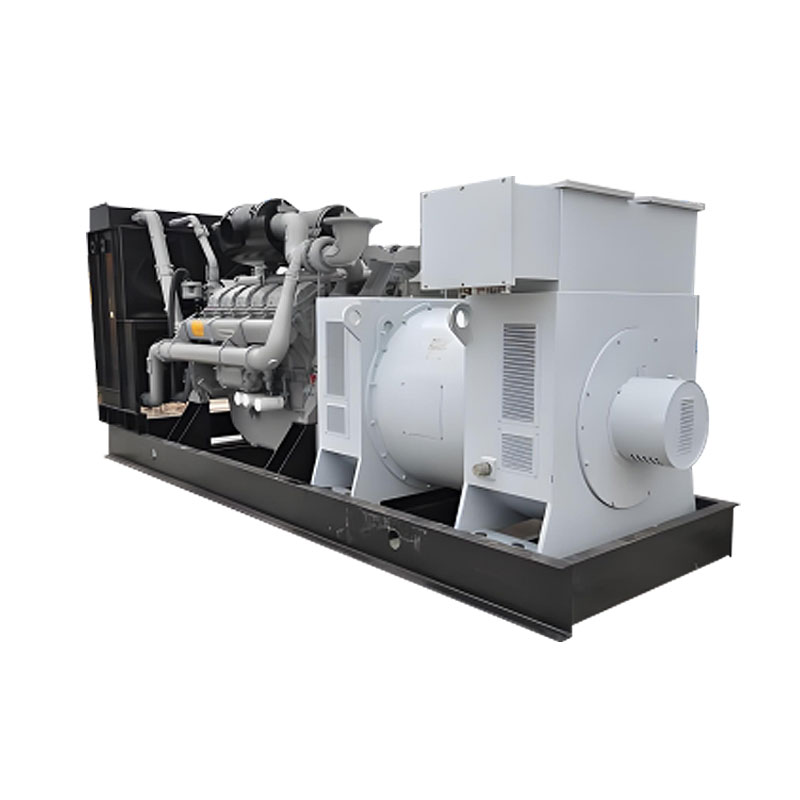
Hospitals rely heavily on electrical power for lighting, HVAC systems, life-support devices, diagnostic machines, and electronic health records. A sudden power outage can lead to catastrophic consequences. Hospital backup generators are specially designed to provide seamless, reliable power during emergencies. Unlike standard commercial generators, hospital-grade units are engineered for rapid startup, high stability, low emissions, and compliance with strict medical facility standards.
Some key reasons hospitals require dedicated backup generators include:
-
Patient Safety: Critical devices like ventilators, infusion pumps, and incubators require constant electricity. A backup generator ensures these devices operate without interruption.
-
Regulatory Compliance: Many healthcare authorities mandate emergency power systems to meet safety standards and certifications.
-
Operational Continuity: Backup generators prevent disruption in hospital workflows, including surgical procedures, laboratory operations, and emergency services.
-
Protection of Sensitive Equipment: Fluctuations in power can damage expensive medical machinery. Generators stabilize voltage and frequency during outages.
Hospitals must therefore invest in generators that are robust, high-capacity, and capable of handling complex load demands.
How to Choose the Right Hospital Backup Generator
Selecting a hospital backup generator is not a simple task. Hospitals have unique power requirements that go beyond conventional commercial or industrial facilities. Here’s a step-by-step guide to evaluating and choosing the most suitable generator:
a. Load Calculation
The first step is determining the total electrical load that the generator must support. This includes:
-
Critical systems (ICU, operating rooms, emergency lighting)
-
Essential systems (HVAC, laboratory equipment, computers)
-
Non-critical systems (administrative offices, cafeteria, common areas)
Generators should be sized to handle both the running load and potential surge requirements, ensuring uninterrupted performance during peak consumption periods.
b. Power Type and Capacity
Hospital generators typically operate on diesel, natural gas, or dual-fuel systems. Diesel generators are widely preferred for their durability and fast startup, while natural gas units offer cleaner emissions and easier refueling for urban hospitals.
Capacity ranges for typical hospital generators:
| Generator Type | Typical Power Output | Best Use Case |
|---|---|---|
| Diesel | 250 kW – 2000 kW | Large hospitals, high-demand ICU equipment |
| Natural Gas | 200 kW – 1500 kW | Medium hospitals, urban facilities |
| Dual Fuel | 300 kW – 1800 kW | Facilities seeking flexible fuel options |
c. Reliability and Certification
A hospital generator must meet NFPA 110 standards and local healthcare regulations. Key considerations include:
-
Automatic transfer switch (ATS) for instant power transfer
-
Regular maintenance schedules and fuel storage compliance
-
Noise reduction and low vibration for sensitive hospital areas
d. Advanced Features
Modern hospital backup generators include smart monitoring systems, remote diagnostics, and integration with building management systems (BMS) to ensure efficiency and quick troubleshooting during emergencies.
Key Features and Specifications of Modern Hospital Backup Generators
To provide a complete understanding, here is a detailed overview of a typical high-performance hospital backup generator and its specifications:
| Feature | Specification / Benefit |
|---|---|
| Power Output | 500 kW – 1500 kW depending on hospital size |
| Fuel Type | Diesel, Natural Gas, or Dual-Fuel |
| Voltage Stability | ±1% variation to protect sensitive medical equipment |
| Automatic Transfer Switch (ATS) | Less than 10 seconds transfer time for critical systems |
| Noise Level | ≤65 dB at 7 meters for patient comfort |
| Cooling System | Closed-loop radiator cooling for high ambient temperatures |
| Emission Compliance | EPA Tier 4 / Euro Stage V standards |
| Monitoring & Control | Remote monitoring, automatic shutdown, fault alerts |
| Runtime | 24–72 hours continuous operation with fuel storage |
| Maintenance | Modular design for easy service, with predictive maintenance alerts |
These specifications ensure hospitals can maintain critical operations even during prolonged outages. Generators designed with medical-grade standards also minimize risks of power fluctuation or equipment damage.
Common Questions About Hospital Backup Generators
Q1: How often should a hospital backup generator be tested?
A1: Testing should occur monthly for operational readiness and a full load test annually. Monthly testing ensures the generator starts reliably and that fuel and lubrication systems are functioning. Annual load tests verify that the generator can handle the full hospital load and meet regulatory requirements.
Q2: Can a single generator support the entire hospital during a prolonged outage?
A2: It depends on hospital size and generator capacity. Large hospitals often use multiple synchronized generators to distribute load and provide redundancy. Critical areas such as ICU and surgical units may have dedicated generators, while secondary units serve non-critical areas. Redundancy is essential to prevent failure during emergencies.
These considerations emphasize why hospitals must carefully plan generator capacity and redundancy systems to ensure continuous, safe operation.
Benefits of Investing in a Hospital Backup Generator
-
Uninterrupted Medical Services: Ensures patient care is never compromised, particularly in ICUs and emergency rooms.
-
Enhanced Safety and Compliance: Helps hospitals meet strict local and international healthcare regulations.
-
Reduced Equipment Damage: Stabilizes power supply and protects sensitive medical devices.
-
Operational Confidence: Staff and administrators can rely on backup power during storms, blackouts, or grid instability.
-
Cost Efficiency: Prevents revenue loss from operational downtime and avoids expensive equipment repairs due to power surges.
Modern generators also come with predictive maintenance tools, fuel management systems, and automated alerts, ensuring that hospitals can plan ahead and avoid unexpected failures.
Why Choose Kecheng Hospital Backup Generators
Kecheng specializes in designing and manufacturing high-performance hospital backup generators tailored to meet the unique demands of healthcare facilities. With over 20 years of experience, Kecheng ensures that each generator combines reliability, efficiency, and compliance. Their units feature rapid automatic transfer, low emissions, precise voltage regulation, and intelligent monitoring systems.
Choosing Kecheng means hospitals benefit from:
-
Durable, high-capacity generators suitable for small clinics to large multi-building hospitals
-
Medical-grade safety and compliance with NFPA 110 and local standards
-
Expert support and maintenance programs for long-term operational security
To learn more about Kecheng’s hospital backup generators and explore the best solutions for your facility, contact us today and ensure your hospital never faces a power outage without reliable backup.