

Why Are Natural Gas Generator Sets Becoming the Future of Reliable and Sustainable Power Supply?
2025-10-28
A Natural Gas Generator Set is an advanced power generation system designed to convert the chemical energy in natural gas into electrical energy. Unlike traditional diesel generators, which rely on liquid fuel combustion, natural gas generator sets use cleaner-burning natural gas—making them a more sustainable and cost-efficient solution for both industrial and commercial applications.
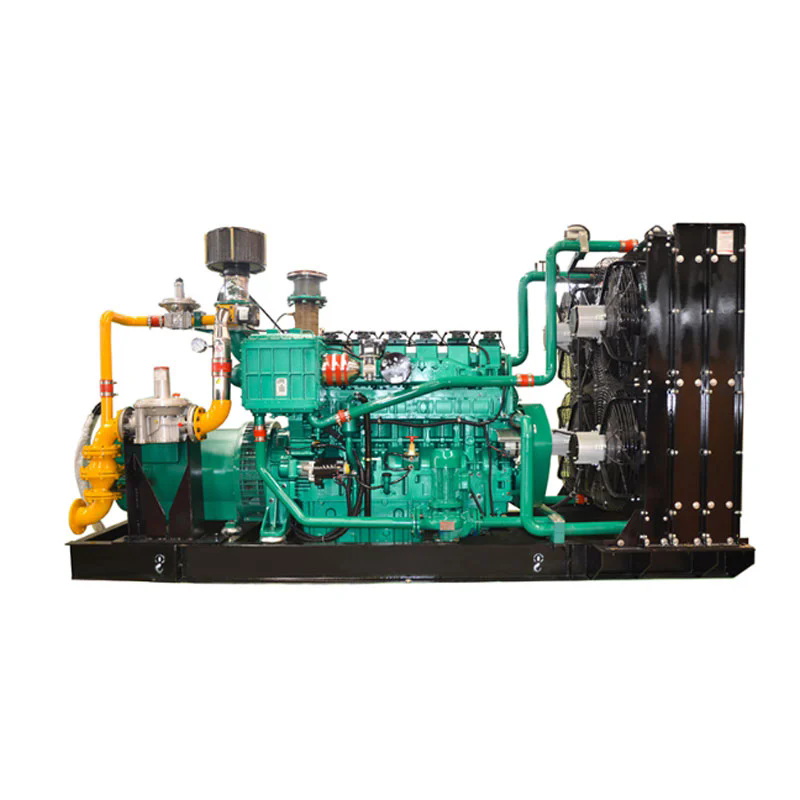
These generator sets are built around a natural gas engine, a generator (alternator), and a control system that ensures stable voltage and frequency. During operation, the engine burns natural gas to produce mechanical energy, which drives the alternator to produce electricity. This process delivers steady, reliable power that can either operate as the primary power source or serve as a dependable backup during grid failures.
Natural gas generators are widely used in manufacturing plants, hospitals, data centers, commercial complexes, and residential communities. Their low emissions, long lifespan, and adaptability to continuous operation make them ideal for regions with strict environmental regulations or areas that experience frequent power interruptions.
Why Are Natural Gas Generator Sets Gaining Popularity Worldwide?
The global demand for clean and efficient energy sources is driving the rapid adoption of natural gas generator sets. Several factors explain why these systems are increasingly preferred over conventional power generation options:
-
Environmental Sustainability
Natural gas emits up to 90% fewer particulates and 25–30% less CO₂ compared to diesel fuel. This makes it one of the cleanest fossil fuels available, supporting industries in meeting global carbon reduction targets and achieving compliance with environmental standards. -
Fuel Availability and Cost Efficiency
Many regions now have extensive natural gas infrastructure, ensuring a consistent and affordable fuel supply. Unlike diesel, which is subject to volatile global prices and storage constraints, natural gas is piped directly to the generator, reducing operational costs and logistical challenges. -
Operational Reliability
Natural gas generators are designed for continuous operation. Their engines are built to handle high loads for extended durations with minimal maintenance. The system can automatically start during grid failures, providing uninterrupted power for critical operations such as hospitals, communication systems, and industrial production lines. -
Lower Maintenance Costs
Due to cleaner combustion, natural gas engines experience less carbon buildup and reduced engine wear, resulting in longer maintenance intervals and lower servicing expenses compared to diesel systems. -
Future Energy Transition
As global industries transition toward low-carbon energy, natural gas generators represent a key bridge technology. They offer flexibility for hybrid systems—integrating seamlessly with solar, wind, and energy storage solutions—to create a stable, sustainable power ecosystem.
Technical Specifications of Natural Gas Generator Sets
The following table outlines the general performance parameters of a high-quality natural gas generator set, designed for industrial-grade reliability:
| Parameter | Specification Range | Description |
|---|---|---|
| Rated Power Output | 50 kW – 2000 kW | Scalable depending on application |
| Fuel Type | Natural Gas, Biogas, LPG | Compatible with various gaseous fuels |
| Voltage Output | 230V / 400V / 480V (customizable) | Suitable for different regional grids |
| Frequency | 50 Hz / 60 Hz | Supports global power standards |
| Engine Speed | 1500 rpm / 1800 rpm | Optimized for efficiency and noise reduction |
| Cooling System | Water-cooled | Ensures stable temperature control |
| Control Panel | Smart digital controller with remote monitoring | Enables real-time performance tracking |
| Emission Standard | EPA / Euro V compliant | Meets international environmental norms |
| Noise Level | 65–75 dB(A) at 7 meters | Low noise operation suitable for urban areas |
| Starting System | Automatic electric start | Quick response during power outages |
| Warranty Period | 1–2 years or 3000 hours | Extended service support |
How Does a Natural Gas Generator Set Improve Energy Efficiency and Sustainability?
1. Cleaner Energy Conversion
Natural gas burns more completely than diesel, reducing unburned hydrocarbons and particulate emissions. This results in higher combustion efficiency—translating into more kilowatt-hours generated per unit of fuel consumed.
2. Smart Load Management
Modern natural gas generator sets are equipped with digital load management systems that optimize power output based on real-time demand. This not only saves fuel but also prevents mechanical strain, ensuring consistent operational stability.
3. Reduced Carbon Footprint
A single large-capacity natural gas generator can offset thousands of kilograms of CO₂ annually when replacing traditional diesel generators. For organizations prioritizing ESG (Environmental, Social, Governance) reporting, this significantly improves sustainability metrics.
4. Hybrid Integration
With the global shift toward renewable energy, natural gas generator sets are increasingly deployed as backup or balancing units for renewable microgrids. Their ability to quickly ramp up power output complements the intermittent nature of solar and wind energy sources, ensuring round-the-clock reliability.
Common Questions About Natural Gas Generator Sets
Q1: What is the main difference between a natural gas generator and a diesel generator?
A: The key difference lies in the fuel type and emission profile. Natural gas generators run on cleaner-burning gas, producing less soot and carbon compared to diesel. They are ideal for long-term continuous use, while diesel generators are often reserved for short-term emergency power. Natural gas systems also connect directly to utility pipelines, eliminating the need for on-site fuel storage and reducing operating costs.
Q2: Can a natural gas generator operate during a gas supply interruption?
A: Yes, most advanced systems can be integrated with dual-fuel technology or compressed natural gas (CNG) storage, allowing temporary operation even when the main gas supply is interrupted. Additionally, some models feature automatic fuel switching, ensuring uninterrupted power supply during emergencies or maintenance periods.
What Are the Future Trends in Natural Gas Generator Set Technology?
-
Hybrid Power Systems
The integration of renewable energy sources with natural gas generators will continue to expand. This hybrid approach ensures energy stability while supporting decarbonization goals. -
Digitalization and Smart Monitoring
Future generator sets will feature AI-driven predictive maintenance and IoT-based monitoring systems that detect faults before they occur, maximizing uptime and operational efficiency. -
Hydrogen-Ready Engines
Manufacturers are developing engines capable of running on hydrogen-mixed fuels, preparing for the gradual transition from natural gas to zero-carbon hydrogen power. -
Noise and Emission Optimization
Ongoing advancements in acoustic insulation and catalytic converters will further reduce environmental and noise pollution, making natural gas generators suitable even for residential and urban applications. -
Global Infrastructure Expansion
As more countries invest in natural gas pipelines and liquefied natural gas (LNG) distribution networks, the accessibility and affordability of natural gas generators will continue to improve, driving adoption in emerging markets.
Why Kecheng Natural Gas Generator Sets Are the Right Choice
The global shift toward sustainable energy solutions is reshaping how industries approach power generation. Kecheng Natural Gas Generator Sets combine advanced engineering, robust performance, and environmentally conscious design to deliver reliable, cost-efficient electricity across diverse applications. With a proven record of durability and compliance with international standards, Kecheng generators are ideal for commercial, industrial, and residential power solutions.
For businesses and facilities seeking to reduce emissions without sacrificing performance, a Kecheng Natural Gas Generator Set represents a smart, future-ready investment.