

Why Are Emergency Generators Becoming a Critical Power Solution?
2025-10-16
An Emergency Generator is a dedicated backup power system designed to automatically supply electricity when the main power source fails. In industries, hospitals, commercial buildings, and residential areas, uninterrupted power is crucial for maintaining safety, productivity, and comfort. Power outages caused by natural disasters, grid failures, or unexpected technical issues can result in significant operational and financial losses. That’s why emergency generators have evolved into an indispensable safeguard against uncertainty.
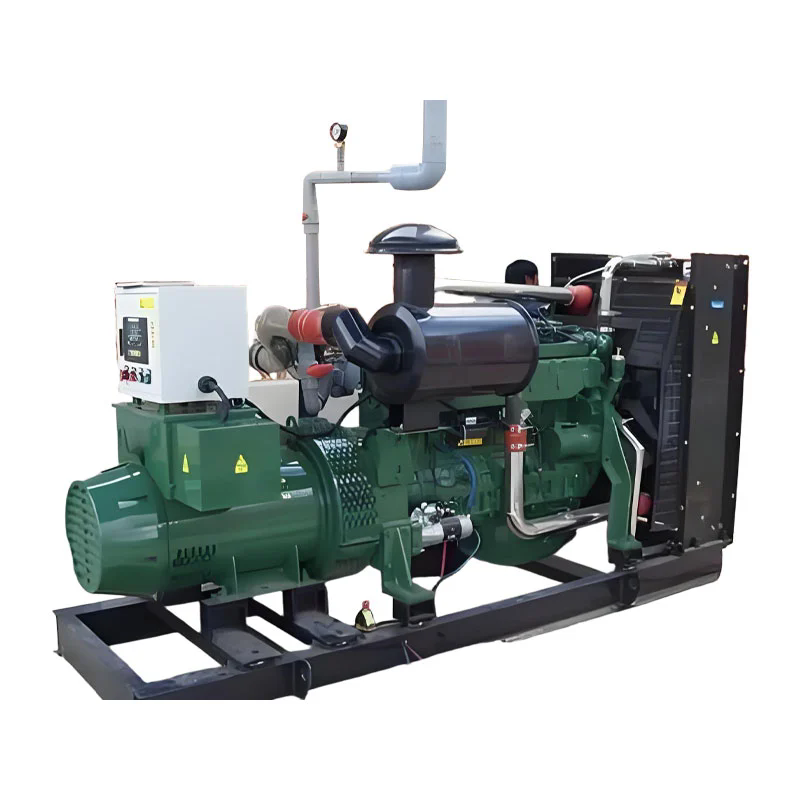
Emergency generators provide instant power restoration through advanced automatic transfer switches (ATS) that detect voltage loss and activate the generator within seconds. Depending on the design, these units can run on diesel, natural gas, propane, or hybrid fuels, offering versatile options for various environments. Modern systems are engineered for high efficiency, lower emissions, and extended run times, making them ideal for both short-term blackouts and long-term outages.
The global demand for emergency generators is increasing due to growing concerns over grid reliability, climate-induced disasters, and the rising dependency on electricity for digital infrastructure. From data centers to smart homes, every sector now requires consistent energy assurance — and this is where high-performance generators play a vital role.
Below is a detailed overview of standard technical specifications that highlight the precision and power of modern emergency generators:
| Parameter | Specification Range |
|---|---|
| Power Output | 5 kW – 3000 kW |
| Voltage Options | 120V / 240V / 480V (single & three-phase) |
| Fuel Type | Diesel, Natural Gas, Propane, Bi-Fuel |
| Engine Type | 4-Stroke, Water-Cooled, Turbocharged |
| Frequency | 50Hz / 60Hz |
| Noise Level | 60–75 dB (at 7 meters) |
| Operating Temperature | -20°C to 50°C |
| Automatic Transfer Switch (ATS) | Integrated with remote monitoring |
| Start System | Electric/Auto-start with battery backup |
| Enclosure Material | Powder-coated Steel / Aluminum, Weatherproof Design |
| Runtime (Full Load) | 8–48 Hours (extendable with external tanks) |
| Compliance Standards | ISO 9001, CE, EPA Tier 4, UL2200 |
This table provides insight into the engineering precision behind emergency generators. Their design ensures continuous operation under extreme weather and industrial conditions, making them essential for maintaining resilience in a power-dependent world.
Why Are Emergency Generators Gaining Global Attention?
Uninterrupted power has become a necessity, not a luxury. The reasons behind the rising popularity of emergency generators are deeply tied to modern infrastructure challenges and environmental realities.
a. Increasing Power Outages:
Global weather patterns have intensified, causing more frequent storms, hurricanes, and heatwaves. Power grids are struggling to keep pace, especially in regions experiencing rapid urbanization. Emergency generators provide a direct response to these vulnerabilities, ensuring constant power supply even in the harshest scenarios.
b. Industrial and Healthcare Dependence:
Hospitals, laboratories, data centers, and manufacturing plants cannot afford even seconds of downtime. Generators bridge the gap instantly, protecting sensitive equipment and preserving operational continuity. In healthcare, for instance, emergency generators can mean the difference between life and death during a critical procedure.
c. Technological Advancements:
The new generation of generators features smart control systems, allowing remote monitoring via mobile apps or IoT platforms. Operators can track performance, fuel usage, and maintenance alerts in real time, significantly improving reliability.
d. Sustainability Trends:
The industry is transitioning toward low-emission and hybrid generators. Advanced models utilize cleaner fuels and optimize engine performance to meet strict environmental regulations without compromising power.
e. Cost-Efficiency:
While initial installation costs can be high, the long-term savings from avoided operational losses far outweigh the expense. Modern generators also feature load management systems, which optimize fuel consumption and minimize waste.
The global emergency generator market is projected to expand substantially over the next decade, driven by urban growth, aging infrastructure, and an increasing emphasis on energy resilience. Companies and individuals alike recognize that a small investment in power security can safeguard millions in potential losses.
How Do Emergency Generators Work and What Makes Them Reliable?
Emergency generators operate on a straightforward yet highly efficient principle — automatic power restoration. When the utility supply fails, sensors within the Automatic Transfer Switch (ATS) detect the interruption and signal the generator to start. Once operational, the ATS transfers the electrical load from the main grid to the generator, providing an uninterrupted power supply.
Here’s how the process unfolds:
-
Detection: The ATS monitors the voltage and frequency from the main grid. When a drop or outage occurs, it triggers the generator.
-
Activation: The generator’s engine starts automatically, powered by its internal battery and fuel system.
-
Power Transfer: Within seconds, the ATS disconnects the grid and transfers the load to the generator.
-
Continuous Operation: The generator supplies stable power for as long as fuel is available.
-
Restoration: When grid power returns, the ATS switches back to the main supply and shuts down the generator safely.
Key Components of an Emergency Generator System:
-
Engine: The mechanical heart converting fuel into rotational energy.
-
Alternator: Transforms mechanical energy into electrical power.
-
Fuel System: Stores and delivers the required energy source.
-
Cooling and Exhaust System: Maintains optimal operating temperature and emissions.
-
Lubrication System: Reduces friction and ensures engine longevity.
-
Control Panel: The brain of the operation, allowing monitoring and management.
Advanced Features Found in Modern Generators:
-
Smart Load Management: Adjusts power output dynamically based on demand.
-
Low-Noise Enclosures: Engineered for residential and commercial areas.
-
Remote Diagnostics: Enables predictive maintenance and performance tracking.
-
Parallel Operation Capability: Allows multiple units to work together for higher capacity.
This intricate integration of mechanical engineering and intelligent electronics is what makes modern emergency generators reliable, efficient, and indispensable in today’s energy landscape.
The Future of Emergency Generators and Industry Innovations
The evolution of emergency generators reflects global trends in energy diversification, automation, and sustainability. The next decade will bring major transformations across design, efficiency, and environmental compatibility.
a. Hybrid Power Systems:
Manufacturers are now developing generators that combine solar, battery storage, and fuel-based power. These hybrid solutions significantly reduce fuel dependency and emissions while ensuring consistent energy delivery.
b. IoT and AI Integration:
Smart generators with Internet of Things (IoT) connectivity can communicate with cloud systems for predictive maintenance. AI-driven analytics detect performance anomalies before breakdowns occur, enhancing operational safety and lifespan.
c. Hydrogen and Biofuel Innovations:
The shift toward green hydrogen and biofuel-based engines marks a new chapter for clean power generation. These alternatives promise to cut carbon emissions while maintaining high efficiency and power density.
d. Modular and Portable Designs:
Compact, modular units are gaining traction, especially in construction, telecom, and emergency response sectors. Their easy deployment and scalability make them ideal for temporary or remote applications.
e. Smart Energy Ecosystems:
Future buildings and cities will integrate generators with renewable sources, forming microgrids capable of self-sustaining operation during grid failures. This interconnected ecosystem ensures energy independence at both local and industrial levels.
Common Questions About Emergency Generators
Q1: How often should an emergency generator be tested or maintained?
A well-maintained generator ensures reliable performance during outages. It is recommended to run a test at least once a month for 30 minutes under load conditions. Annual maintenance should include oil changes, filter replacements, fuel system checks, and inspection of electrical connections. Regular servicing prevents fuel degradation, battery drain, and engine wear, guaranteeing readiness when needed most.
Q2: What size of generator is suitable for a commercial facility?
The appropriate generator size depends on the total wattage requirement of essential systems. For small businesses, units ranging from 20–200 kW are typical, while industrial facilities may require 500 kW or more. A professional power audit helps determine the ideal capacity based on load types, startup surges, and redundancy needs. Oversizing leads to inefficiency, while undersizing risks power shortfalls.
As global reliance on continuous electricity deepens, Emergency Generators will continue to serve as the backbone of energy resilience. Their evolution — from basic backup units to smart, eco-friendly power systems — reflects humanity’s determination to stay powered, safe, and connected under all circumstances. Businesses, institutions, and households are increasingly prioritizing reliable generator solutions to ensure operational stability and safety during power disruptions.
Kecheng, a trusted manufacturer in the power equipment industry, is committed to advancing generator technology through innovation, quality, and environmental responsibility. With robust engineering and global service support, Kecheng provides reliable emergency generator solutions tailored for diverse industrial and residential needs.
For more information or expert consultation on the most suitable generator system for your application, contact us to discover how Kecheng can deliver power security with confidence and precision.