

Why Are Dry Type Transformers Becoming the Future of Safe and Efficient Power Distribution?
2025-11-05
A Dry Type Transformer is an electrical transformer that uses air instead of liquid for cooling. Unlike oil-filled transformers, dry-type models rely on natural air ventilation or forced air circulation to dissipate heat. They are widely used in commercial buildings, factories, hospitals, and renewable energy systems because they provide a safer, more eco-friendly, and lower-maintenance alternative for voltage transformation and power distribution.
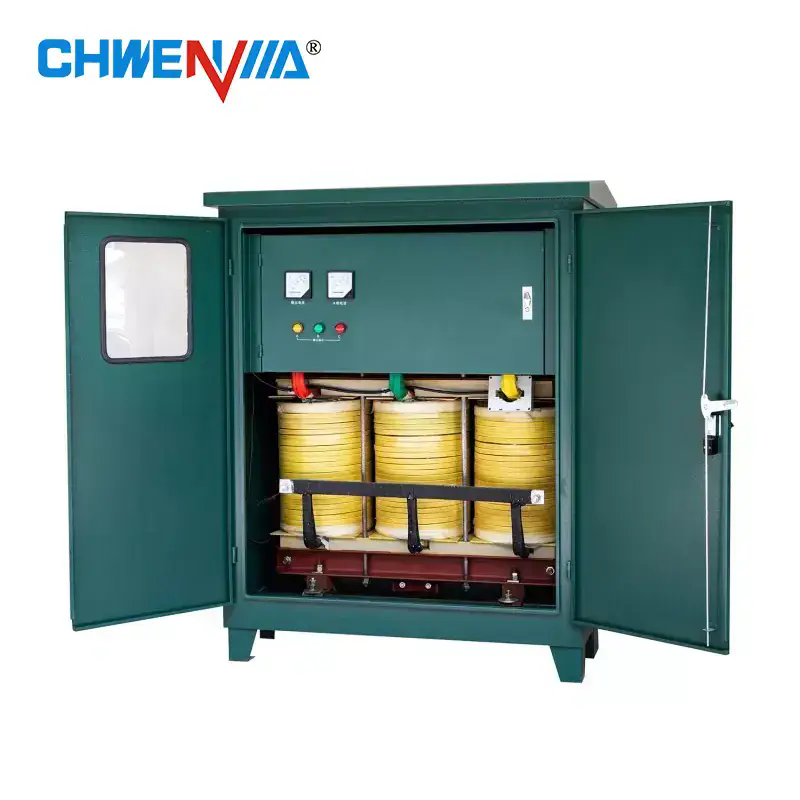
With the rapid development of global urbanization and the push toward cleaner, safer energy infrastructure, dry type transformers are playing a vital role in modern electrical systems. Their core advantage lies in non-flammability, low maintenance cost, and long lifespan, making them ideal for indoor or high-traffic installations where safety and reliability are critical.
The growing global awareness of environmental protection and energy efficiency further amplifies the importance of this product. As industries move toward carbon neutrality and sustainable power systems, dry type transformers are expected to dominate the medium and low-voltage distribution market in the coming decade.
Why Choose a Dry Type Transformer? Exploring the Key Benefits
The evolution of transformer technology has led industries to reconsider traditional oil-filled models. Here are the primary reasons why dry type transformers are increasingly preferred:
-
Safety and Environmental Protection
Since they contain no flammable liquids, dry type transformers drastically reduce the risk of fire or explosion. They also eliminate the need for oil handling, leakage containment, and environmental cleanup. -
Low Maintenance Requirements
These transformers require minimal maintenance compared to oil-filled units, as they have no oil to test or replace. Periodic inspections for dust accumulation and ventilation efficiency are usually sufficient to maintain top performance. -
High Reliability and Durability
The encapsulated windings are resistant to moisture, dust, and chemical contaminants. This makes dry type transformers ideal for harsh or humid environments, such as coastal areas or industrial facilities. -
Compact Design and Easy Installation
Dry type transformers can be installed directly indoors without additional fireproof barriers or oil containment systems. This allows for reduced installation costs and flexibility in placement. -
Energy Efficiency
Advanced designs ensure low core losses and high operational efficiency, contributing to overall energy conservation. With the growing demand for smart grid integration, dry type transformers also align well with digital monitoring and intelligent energy systems.
Typical Technical Parameters of a Standard Dry Type Transformer:
| Parameter | Specification Range |
|---|---|
| Rated Power | 100 kVA – 2500 kVA |
| Voltage Level | Up to 35 kV |
| Cooling Method | AN (Air Natural) / AF (Air Forced) |
| Insulation Class | F or H Class |
| Frequency | 50 / 60 Hz |
| Temperature Rise | ≤100 K |
| Efficiency | ≥98% |
| Protection Level | IP20 / IP23 |
| Installation Location | Indoor / Outdoor with canopy |
| Noise Level | ≤65 dB |
These technical features demonstrate how dry type transformers combine safety, performance, and reliability within a single system design.
How Do Dry Type Transformers Work and Perform in Modern Applications?
Understanding the working principle of dry type transformers helps explain why they outperform oil-filled alternatives in many settings.
A dry type transformer operates on the principle of electromagnetic induction—it transfers electrical energy between two or more circuits through a magnetic field. The windings are insulated with epoxy resin or other advanced materials, which not only prevent moisture intrusion but also allow efficient heat dissipation through air circulation.
Core Components and Functions:
-
Primary and Secondary Windings: Conduct electrical energy exchange between circuits.
-
Magnetic Core: Made of high-permeability silicon steel sheets to reduce energy loss.
-
Epoxy Resin Encapsulation: Protects the windings from environmental factors and ensures safe operation.
-
Cooling System: Utilizes natural or forced air to maintain optimal temperature.
-
Protection Housing: Shields the transformer from dust and accidental contact.
Common Applications:
-
High-rise buildings and commercial centers
-
Industrial manufacturing facilities
-
Hospitals and data centers
-
Wind and solar power plants
-
Educational institutions and residential complexes
The simplicity and robustness of dry type transformers make them indispensable in modern infrastructures where reliability and safety cannot be compromised.
As digital transformation accelerates, smart dry type transformers are emerging. Equipped with sensors and monitoring systems, these units allow real-time tracking of temperature, load, and insulation performance. This technology supports predictive maintenance, helping facility managers prevent costly downtimes and extend the equipment’s service life.
What Are the Future Trends and Market Outlook for Dry Type Transformers?
The global dry type transformer market is projected to witness significant growth driven by sustainability, urbanization, and modernization of power grids. The following trends are shaping the industry’s future:
-
Smart Monitoring and IoT Integration
With the advent of the Internet of Things (IoT), dry type transformers are being embedded with intelligent sensors for remote monitoring. This enables predictive analytics, improving operational safety and efficiency. -
Eco-Friendly Materials and Design
Manufacturers are adopting recyclable materials and low-loss magnetic cores to minimize environmental impact and reduce carbon emissions. -
Urban Infrastructure Expansion
Rapid urban growth demands reliable and space-efficient power distribution systems. Dry type transformers, being compact and safe, are ideal for use in densely populated areas. -
Renewable Energy Compatibility
The integration of solar and wind power systems increases the need for transformers that can withstand load fluctuations and environmental challenges. Dry type transformers meet these requirements effectively. -
Global Regulatory Standards
Governments and international agencies are establishing stricter safety and efficiency regulations, pushing industries to adopt dry type transformers over oil-filled ones.
Overall, the future of dry type transformers is closely tied to technological innovation, safety compliance, and sustainability goals. Manufacturers that adapt to these changes will lead the market in the next generation of energy infrastructure.
Common Questions About Dry Type Transformers
Q1: What is the main difference between a dry type transformer and an oil-filled transformer?
A1: The primary difference lies in the cooling method. A dry type transformer uses air for cooling, while an oil-filled transformer relies on liquid insulation and oil circulation. The absence of oil in dry type transformers makes them safer, environmentally friendly, and suitable for indoor applications where fire safety is a priority.
Q2: How long does a dry type transformer typically last, and how should it be maintained?
A2: A high-quality dry type transformer can last 25–30 years or more when properly maintained. Maintenance mainly involves keeping the transformer clean, checking for dust accumulation, ensuring proper ventilation, and periodically inspecting insulation resistance. Unlike oil-filled units, there is no need for oil testing or replacement, significantly reducing maintenance costs.
The Power of Innovation with Wenma Dry Type Transformers
As industries and cities evolve toward smarter, greener energy solutions, dry type transformers stand at the forefront of this transition. Their combination of safety, energy efficiency, and eco-friendly design makes them the preferred choice for engineers, architects, and power distribution planners around the world.
Wenma specializes in manufacturing high-performance dry type transformers designed for demanding environments. Each unit is engineered with precision and adheres to international standards to ensure superior quality, reliability, and longevity.
With continuous research and technological innovation, Wenma’s dry type transformers contribute to building a safer, cleaner, and more efficient electrical future.
For project inquiries, technical specifications, or customized solutions — contact us today to discover how Wenma can power your next generation of energy systems.