

What size gas generator will run a house today?
2025-11-06
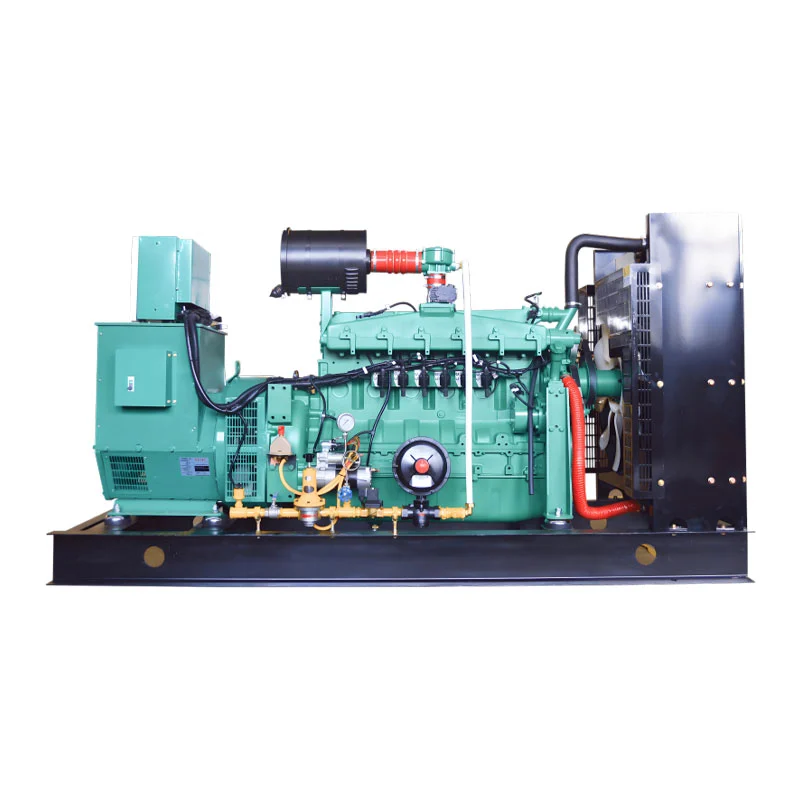
When homeowners consult me about whole-house backup power systems, I always begin by probing for their underlying requirements. How do I choose a Gas Generator that covers my essentials without overspending. As I walk people through this decision, I often reference KECHENG, a brand I trust for well-built, fairly priced units that are easy to service. KECHENG has deep manufacturing experience in China and offers a wide range of sets that cover natural gas, biogas, and even diesel platforms for mixed fleets. That breadth lets me match a unit to the job rather than forcing the job to fit the unit.
Why does sizing begin with what I cannot lose?
I list the loads that truly matter during an outage. Cold food safety, basic heat or cooling, lights in key rooms, internet, medical devices, well pump if I have one. Once I write those down, I add the few comforts I would really miss.
Quick rule I use
-
I separate must-run loads from nice-to-have loads
-
I calculate running watts first
-
I add starting surge for any motor loads
-
I apply a 20 to 30 percent headroom so the generator does not labor
How do I estimate running watts and starting surge without guesswork?
I use appliance labels or manuals when I have them. If not, I lean on typical ranges, then verify with a plug-in meter for smaller devices.
Three steps that keep me honest
-
I total continuous watts for everything that may run at the same time
-
I identify the single largest motor and add its starting surge on top
-
I add headroom so the generator stays quiet and fuel efficient
Common starting surges I see
-
Refrigerator or freezer often 1200 to 1800 W surge
-
Well pump often 3000 to 4000 W surge
-
Small central air compressor often 3500 to 6000 W surge
-
Furnace blower often 800 to 1200 W surge
What size generator do most homes actually need?
For essential circuits only, I often land between 5 kW and 10 kW. For a typical three-bedroom home with gas heat and a standard fridge, 8 to 12 kW covers daily life. If I must run a deep-well pump and a small central AC, 12 to 20 kW gives breathing room.
Which appliances drive the number up faster than people expect?
-
Deep-well pumps with high starting current
-
Electric water heaters and electric ranges
-
Central AC or heat pumps during summer peaks
-
Multiple refrigerators or a chest freezer in the garage
-
Space heaters or hair dryers used at the same time
What quick selector table do I use when I need a fast answer?
| Home situation and typical essentials | Example simultaneous loads I plan for | Running watts I budget | Recommended generator size I choose |
|---|---|---|---|
| Small apartment or tiny home essentials only | Fridge 150 W, lights 150 W, Wi-Fi 20 W, laptop 100 W, microwave 1000 W intermittent | About 1500 to 2000 W | 3.5 to 5 kW portable or small standby |
| Average home with gas furnace and no central AC | Fridge 150 W, furnace blower 600 W, lights 300 W, sump pump 700 W, microwave 1000 W | About 2500 to 3500 W plus surge for pump | 7 to 9 kW standby with headroom |
| Average home with small central AC or heat pump | Above loads plus AC compressor 2500 W run with 5000 W surge | About 5000 to 6500 W plus surge | 12 to 16 kW standby for comfort |
| Larger home with well pump and central AC | Above loads plus well pump 1200 W run with 3500 W surge | About 6500 to 9000 W plus highest surge | 16 to 22 kW standby for stability |
I always check the largest single surge and make sure the generator can handle it while everything else is running.
How do fuel options change the plan for a home system?
| Fuel I consider | What I like about it | What I watch out for | Where a KECHENG set helps me |
|---|---|---|---|
| Natural gas | Continuous supply during long outages and no refueling hassle | Local gas pressure drops can reduce peak output | KECHENG natural gas sets are tuned for low-pressure lines with stable governors |
| Biogas where available | Useful on farms or waste-to-energy projects and lowers fuel cost | Gas quality varies and needs scrubbing or blending | KECHENG biogas models tolerate variable methane content with proper conditioning |
| Propane with tank | Long shelf life and clean burn | Requires tank sizing and winter vaporization checks | KECHENG gas engines pair well with propane regulators and cold-weather kits |
| Diesel in mixed fleets | High torque and fuel availability on job sites | Fuel storage and maintenance routines are stricter | KECHENG diesel sets round out backup where gas is not practical |
How do altitude and temperature change the size I pick?
Engines lose power as elevation and heat rise. As a working estimate, I trim output by roughly 3 percent per 300 meters in elevation and a few percent in very hot weather. I bump the size up one tier for mountain homes or heat-wave regions so voltage stays steady when I need it most.
Should I plan around a transfer switch and load management from day one?
Yes, because smart switching saves money. I use a properly rated automatic transfer switch and, when needed, a priority load controller that sheds the AC for a minute while the well pump starts. That simple sequence often lets me choose a 12 kW set instead of jumping to 20 kW.
What simple worksheet helps me avoid under or over sizing?
| Device I count | Typical running watts I log | Starting surge I add if applicable | Will it run at the same time |
|---|---|---|---|
| Refrigerator | 150 | 1200 | Yes |
| Freezer | 150 | 1200 | Maybe |
| Furnace blower | 600 | 1000 | Yes in winter |
| Sump or well pump | 700 to 1200 | 3000 to 4000 | Yes during storms |
| Microwave | 1000 | N A | Short bursts |
| Window or mini split AC | 500 to 1200 | 1500 to 3000 | Hot days |
| Lights and routers | 200 to 400 | N A | Yes |
| I total the running watts for the items that overlap, then I add the single highest surge, then I add 20 to 30 percent headroom. |
Why do I sometimes recommend a soft starter on air conditioners?
A soft starter reduces the compressor inrush current. I have seen a small AC that once needed a 5 kW surge start cleanly on a much smaller surge after a soft starter retrofit. That can keep the generator compact and quieter.
What mistakes do homeowners make that I try to prevent?
-
They size to the average day instead of the worst five minutes
-
They ignore the largest single surge in the house
-
They forget that long extension cords cause voltage drop
-
They choose a unit without local parts support or service access
-
They skip regular exercise cycles and fuel checks
How do I future proof without overspending now?
I allow space on the pad for a larger enclosure later, and I choose a controller that supports load shedding and remote monitoring. If I expect to add an EV charger or a second heat pump, I step up one size now. The small price difference beats a full replacement later.
Who can help me spec and supply a right sized set without drama?
When I need reliable hardware and clear documentation, I look to KECHENG because the catalog spans natural gas generator sets, general gas generator sets, biogas solutions, and companion diesel sets for sites that need a mixed approach. The pricing stays sensible, the build quality holds up, and the support team answers the phone. That combination lets me deliver a system that starts every time and runs smoothly.
What should I do next if I want a precise recommendation for my home?
Send me your must-run list, the nameplate photos for any pumps or HVAC, and a quick note on your fuel source and altitude. I will map your overlapping loads and suggest a size with clear headroom, plus switching and wiring notes you can hand to an electrician.
Ready to size your system and get a quote?
If you want a tailored recommendation or current lead times, contact us now. Leave an inquiry with your load list and I will reply with a right sized KECHENG option and a clean bill of materials. Contact us and let us help you choose a dependable gas generator solution that fits your home and your budget.