

What Makes Industrial Blowers the Backbone of Modern Manufacturing ?
2025-11-04
Industrial blowers are powerful mechanical devices designed to move air, gas, or other materials through ducts, processes, or ventilation systems. They play an essential role across industries such as chemical processing, food production, wastewater treatment, power generation, and HVAC systems. By converting mechanical energy into kinetic energy, industrial blowers ensure continuous airflow, stabilize temperature, remove contaminants, and optimize production efficiency.
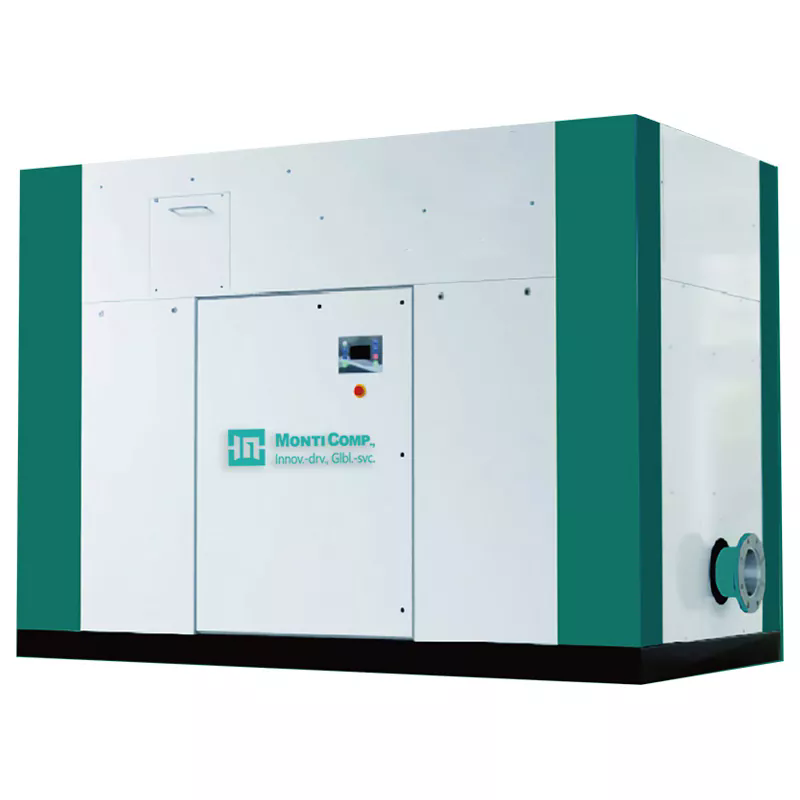
The fundamental purpose of an industrial blower is to create a consistent air movement that supports combustion, cooling, drying, conveying, and aeration. They are engineered for large-scale operations where ordinary fans cannot meet the high pressure or volume demands.
So, why are industrial blowers so crucial in modern manufacturing?
Because production processes often depend on controlled air movement to maintain stability and safety. Without efficient blowers, systems may overheat, processes could slow down, and product quality might deteriorate.
Below is a quick overview of the key parameters that define industrial blower performance:
| Parameter | Description |
|---|---|
| Airflow Capacity (CFM) | Volume of air the blower moves per minute, typically ranging from 1,000 to 100,000 CFM depending on the model. |
| Pressure Range | Measured in inches of water gauge (in WG) or Pascal (Pa); industrial blowers can deliver from 10 in WG to over 60 in WG. |
| Power Rating | Motor power typically ranges between 1 HP and 300 HP. |
| Speed (RPM) | Operational speed varies between 1,000 to 3,600 RPM for optimal air handling efficiency. |
| Material | Constructed from high-grade steel, aluminum alloy, or stainless steel to withstand corrosive and high-temperature environments. |
| Noise Level | Designed with silencers and aerodynamic blades to minimize noise while maintaining airflow. |
| Efficiency | Advanced impeller design and energy-efficient motors reduce operational costs and emissions. |
From these parameters, it’s clear that industrial blowers are not one-size-fits-all solutions. Each system must be selected based on specific industrial requirements such as airflow demand, pressure ratio, and environmental conditions.
Why Industrial Blowers Are Indispensable Across Industries
Industrial blowers are more than just large fans—they are the circulatory system of industrial operations. Their value lies in how they sustain production efficiency, protect equipment, and maintain safety standards.
a. Air Quality and Ventilation
In manufacturing environments, dust, fumes, and chemical vapors are common. Industrial blowers remove these contaminants, ensuring cleaner air for workers and compliance with environmental regulations.
b. Thermal Control and Cooling Systems
Blowers manage temperature balance in processes like metal smelting, injection molding, or food packaging. By circulating air or cooling gases, they prevent overheating and protect sensitive equipment.
c. Process Optimization
In chemical, pharmaceutical, and food industries, blowers regulate air supply to reactors, dryers, or fermenters. Proper airflow ensures consistency in reaction rates and product quality.
d. Energy Efficiency and Sustainability
Modern blowers are now equipped with variable frequency drives (VFDs) that optimize motor performance and reduce power consumption by adjusting speed to real-time demand. This makes them vital components of green manufacturing initiatives.
e. Durability and Reliability
Industrial blowers operate in challenging environments with high heat, humidity, and corrosive gases. Their robust design ensures long-term reliability and minimal downtime, which translates into higher productivity and lower maintenance costs.
In a global context, as industries focus on automation and energy efficiency, the role of industrial blowers continues to expand. With advanced materials, smart monitoring systems, and digital control integration, these machines are evolving from basic air movers to intelligent process controllers.
How Industrial Blowers Are Evolving: The Future of Airflow Technology
The future of industrial blowers is being shaped by the rise of Industry 4.0, sustainability goals, and the demand for smarter, quieter, and more efficient systems.
a. Integration with Smart Control Systems
Modern industrial blowers are being integrated with IoT-based monitoring platforms that collect real-time operational data. This allows predictive maintenance, fault detection, and remote control, minimizing downtime and optimizing performance.
b. Advanced Materials and Design Improvements
Manufacturers are shifting toward lightweight and corrosion-resistant alloys that can endure high-stress conditions. Computational fluid dynamics (CFD) simulations are being used to optimize impeller blade geometry, reducing turbulence and improving efficiency by up to 20%.
c. Energy Recovery Systems
Some industrial blower systems are designed to recover heat energy from exhaust air, converting it into usable energy for other processes. This innovation supports industries’ carbon-reduction commitments while lowering operating costs.
d. Acoustic Optimization
Noise reduction technology has advanced significantly, with the addition of aerodynamic blades, vibration isolators, and sound enclosures. This is especially important in urban or indoor industrial settings.
e. Customization for Industry Needs
From biogas processing to cement production, industrial blowers are being customized to meet specific airflow patterns and pressure demands. Variable impeller designs and modular housings make maintenance simpler and more flexible.
f. The Sustainability Shift
As governments enforce stricter environmental regulations, manufacturers are focusing on energy-efficient blowers that comply with ISO and EPA standards. The use of eco-friendly lubricants, recyclable materials, and low-emission motors underscores the industry's transition toward greener technology.
The industrial blower of tomorrow is not only powerful—it’s intelligent, sustainable, and adaptive.
Frequently Asked Questions About Industrial Blowers
Q1: What factors should be considered when choosing an industrial blower?
A: Several critical factors determine the right blower for a specific application. The key ones include airflow rate (CFM), static pressure requirements, operating environment, and noise limitations. Additionally, power efficiency, maintenance accessibility, and compliance with safety standards must be evaluated. Choosing the correct blower size and type prevents energy waste and ensures consistent system performance.
Q2: What are the most common types of industrial blowers, and how do they differ?
A: The main types include centrifugal blowers and axial blowers. Centrifugal blowers use a rotating impeller to increase air pressure by changing its direction, making them suitable for high-pressure, low-volume applications such as material handling or combustion air. Axial blowers, on the other hand, push air in a straight line along the axis of the fan, providing high airflow at low pressure—ideal for cooling or ventilation. Each design serves specific industrial needs, and modern hybrid models combine the benefits of both to deliver optimized performance.
The Future Outlook and Contact Information
The demand for industrial blowers is expected to grow steadily over the next decade as industries prioritize energy optimization and digital integration. Blowers are no longer viewed as auxiliary equipment but as core components that determine process quality, energy efficiency, and workplace safety.
Emerging trends indicate the rise of AI-driven performance analytics, eco-friendly drive systems, and modular blower configurations that simplify installation and service. As industries adapt to cleaner production standards, the next generation of industrial blowers will play a decisive role in achieving operational excellence.
Among the manufacturers leading this transformation, Dream (Shanghai) Compression Machinery Co., Ltd. stands out for its dedication to precision engineering, energy-efficient technology, and durable construction. The company’s industrial blowers are designed to meet the highest international standards, ensuring long service life and optimized performance across multiple industries.
For inquiries, technical specifications, or customized solutions tailored to specific applications, contact us today to learn more about how Dream (Shanghai) Compression Machinery Co., Ltd. can deliver high-performance airflow systems designed for the future of industry.