

What Makes Electrical Substations the Core of Modern Power Distribution Systems?
2025-10-30
An electrical substation is the backbone of modern power infrastructure, serving as a critical link between power generation plants and end consumers. It functions as a conversion and control center where voltage levels are transformed, power flow is regulated, and the overall reliability of the electrical grid is maintained. In a typical power network, electricity generated at high voltages must be transmitted over long distances and then reduced to safer, usable levels for homes, industries, and commercial facilities. This voltage regulation process takes place within substations, ensuring efficient power transmission and stable distribution.
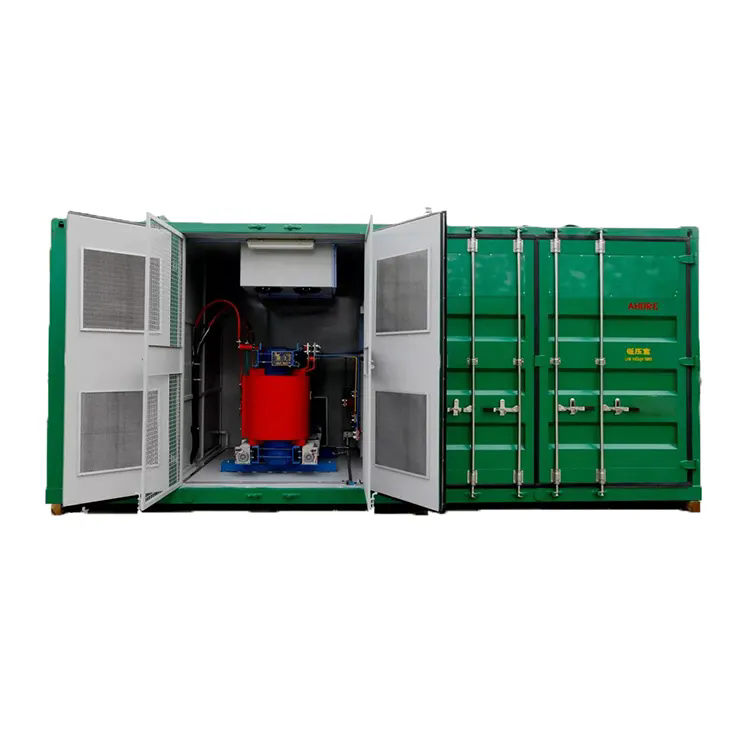
Modern substations are engineered to handle high-capacity loads, integrate advanced protection systems, and enable smart monitoring through automation and digital control technologies. The significance of an electrical substation lies in its ability to manage fluctuating demand, protect critical equipment, and maintain continuity of power supply even under challenging conditions.
Below is a breakdown of typical technical parameters found in a modern substation system:
| Parameter | Specification Range | Description |
|---|---|---|
| Voltage Rating | 11kV – 765kV | Handles both medium and ultra-high voltage transmission levels |
| Transformer Capacity | 10 MVA – 500 MVA | Determines the load-handling capacity of the substation |
| Busbar Configuration | Single / Double Bus / Ring Main | Defines the switching arrangement for flexibility and reliability |
| Protection System | SF6 Circuit Breakers, Relays, SCADA | Provides fault detection, isolation, and automation control |
| Cooling System | Oil / Air / Water Cooled | Ensures thermal stability of transformers and switchgear |
| Automation | Digital Substation with IEC 61850 | Enables real-time data communication and remote operation |
| Monitoring System | IoT Sensors, GIS Integration | Allows predictive maintenance and condition-based management |
The evolution of substations from conventional manual systems to digitally automated facilities reflects the growing need for energy efficiency, safety, and sustainability.
Why Are Modern Electrical Substations Evolving Towards Smart and Sustainable Designs?
The rapid transformation of global energy systems is driving the modernization of substations. Traditional substations relied heavily on manual monitoring and mechanical control, but the increasing demand for real-time performance, renewable integration, and digital management has shifted the industry toward intelligent substation technologies.
Smart substations are designed with integrated digital communication, automated fault diagnostics, and self-healing grid capabilities. They not only optimize operational efficiency but also support the transition to renewable energy sources such as wind, solar, and hydropower. The integration of these sources requires substations capable of handling variable inputs and maintaining grid stability under fluctuating supply conditions.
Key reasons why substations are evolving include:
-
Grid Resilience: Enhanced protection systems and real-time fault management prevent cascading failures.
-
Energy Efficiency: Intelligent load balancing reduces transmission losses and optimizes power distribution.
-
Sustainability Goals: Reduced use of SF6 gas, increased use of eco-friendly materials, and higher energy efficiency contribute to greener operations.
-
Data Intelligence: IoT-enabled monitoring systems provide predictive insights, reducing downtime and maintenance costs.
-
Renewable Integration: Smart substations act as intermediaries that stabilize variable renewable inputs and ensure grid synchronization.
In the context of urban development and industrial growth, smart substations are essential for ensuring reliable, efficient, and environmentally responsible energy delivery.
How Do Electrical Substations Operate and Ensure System Reliability?
The operation of an electrical substation involves a series of well-coordinated electrical processes designed to ensure consistent voltage transformation, system protection, and efficient load distribution.
Power Flow Process:
Electricity enters a substation from a generation plant through high-voltage transmission lines. The power is then passed through power transformers that step down the voltage for distribution networks or industrial consumers. Within the substation, switchgear systems such as circuit breakers and isolators manage the routing of power and protect the equipment from overloads or short circuits.
Protection and Control:
A vital component of any substation is its protection system. Using protective relays, SCADA (Supervisory Control and Data Acquisition), and automation software, the substation constantly monitors current, voltage, and frequency. When an abnormal condition occurs, the system automatically isolates the faulted section, ensuring minimal disruption to the grid.
Automation and Communication:
Digital substations utilize IEC 61850 communication protocols, allowing seamless data transfer between intelligent electronic devices (IEDs). This enables real-time analytics, remote monitoring, and control through centralized command centers. Modern substations can even detect impending faults before they occur, allowing predictive maintenance and improving operational longevity.
Safety and Maintenance:
Routine inspections, thermographic analysis, oil testing, and insulation resistance measurements form the foundation of a safe and long-lasting substation. Furthermore, automation reduces human exposure to high-voltage environments, thereby improving occupational safety standards.
In summary, electrical substations ensure reliability by combining robust hardware infrastructure with advanced digital intelligence, leading to uninterrupted power supply, minimal loss, and enhanced grid performance.
What Are the Future Trends and Innovations in Electrical Substation Technology?
The future of electrical substations lies in digitalization, decentralization, and decarbonization. These three pillars define the next generation of substation technology designed to meet global energy transformation goals.
-
Digital Substations:
Substations are increasingly becoming data-centric systems. Digital sensors, IoT connectivity, and AI-based analytics are redefining operational control. Through machine learning, substations can predict equipment degradation, identify potential faults, and optimize power flows autonomously. -
Modular Substations:
Prefabricated modular designs allow for faster installation, reduced on-site labor, and enhanced flexibility. This modularization is particularly useful in remote areas or regions experiencing rapid industrial expansion. -
Eco-Friendly Designs:
The global push to phase out greenhouse gases like SF6 has accelerated the development of vacuum-insulated and gas-free switchgear systems. Substations are also adopting recyclable materials and energy-efficient cooling solutions to reduce environmental impact. -
Integration with Renewable Energy:
As nations transition toward renewable power, substations will serve as hybrid nodes that manage distributed generation systems, energy storage units, and smart grid integration. -
Cybersecurity and AI Integration:
With increased digitalization comes the challenge of cyber threats. Future substations will implement AI-driven cybersecurity measures to safeguard grid data and control systems from intrusion or manipulation. -
Human-Machine Collaboration:
Advanced visualization tools and AR (Augmented Reality) interfaces are enabling engineers to perform maintenance remotely, visualize system performance, and access real-time operational data.
The convergence of digital technologies, sustainability principles, and automation will redefine the role of substations as intelligent, adaptive, and resilient hubs within the global power network.
Common Questions About Electrical Substations
Q1: What are the main components of an electrical substation?
A typical substation includes transformers, circuit breakers, busbars, isolators, protective relays, and control panels. In modern systems, additional digital components such as IoT sensors, data loggers, and SCADA systems are used to automate and monitor the operations efficiently.
Q2: How does a substation differ from a transformer station?
While both involve voltage transformation, a substation encompasses a broader range of operations, including protection, switching, monitoring, and control of power flow across the network. A transformer station, on the other hand, primarily focuses on stepping up or stepping down voltage levels without complex automation or protection systems.
Conclusion
Electrical substations are not merely energy conversion points—they are the command centers of modern power networks, ensuring that electricity is transmitted safely, efficiently, and reliably from generation sources to end users. As the world moves toward smart grids and renewable integration, substations will play an even greater role in achieving sustainable energy goals.
With decades of engineering excellence, SYHF continues to deliver high-quality, intelligent substation solutions that meet international standards and adapt to evolving technological demands. From robust infrastructure to advanced automation, SYHF’s designs ensure performance, safety, and sustainability for the future of global power systems.
For more information about advanced electrical substations and technical consultation, contact us to explore customized solutions that power your success.