

Home > News > Industry news

What Makes Electric Fuel Pumps Indispensable in Modern Vehicles?

2025-08-05

In the realm of automotive engineering, few components have revolutionized vehicle performance as quietly yet profoundly as the electric fuel pump. Unlike their mechanical predecessors, these compact powerhouses have become the backbone of modern fuel delivery systems, adapting seamlessly to the demands of fuel injection technology, hybrid engines, and stringent emissions standards. This guide will explore the critical role of electric fuel pumps, their operational mechanics, key benefits, our premium product specifications, and address common questions to help you understand why they are essential for today’s vehicles.
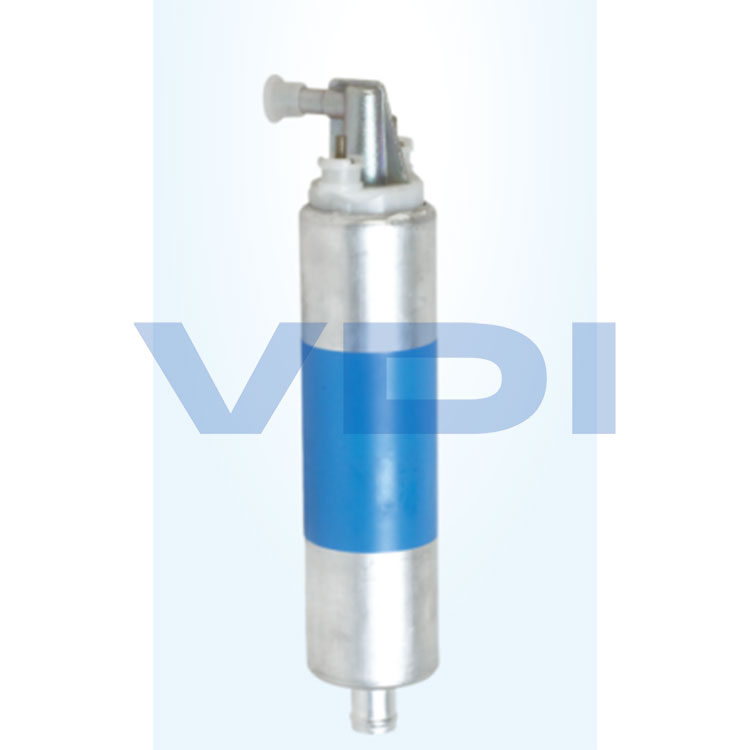
Electric Fuel Pump 8K0906089A

Trending News Headlines: Hot Topics on Electric Fuel Pumps

Google’s search trends reveal the ongoing relevance of electric fuel pumps in the automotive world, with these headlines leading the conversation:
  • "Electric Fuel Pump Failures: Warning Signs Every Driver Should Know"
  • "High-Efficiency Electric Fuel Pumps: A Game-Changer for Fuel Economy"
  • "Electric Fuel Pump Innovations: How New Designs Improve Reliability"
These stories underscore the importance of electric fuel pumps in maintaining vehicle performance, efficiency, and safety. As vehicles become more technologically advanced, the role of the electric fuel pump grows even more critical, making it a component that both drivers and mechanics must prioritize.

What is an Electric Fuel Pump?

An electric fuel pump is an electrically powered device designed to transfer fuel from the vehicle’s fuel tank to the engine’s fuel injectors or carburetor (in older systems). Unlike mechanical fuel pumps, which rely on engine motion to operate, electric fuel pumps use an electric motor to generate the pressure needed to push fuel through the system.
Modern electric fuel pumps are typically mounted inside the fuel tank, a design choice that offers multiple advantages: it keeps the pump cool by submerging it in fuel, reduces noise by leveraging the tank as a sound barrier, and minimizes the risk of fuel vapor lock (a problem where fuel turns to vapor before reaching the engine). Some vehicles, particularly older models or heavy-duty applications, may use external electric fuel pumps mounted along the fuel line, but in-tank designs are standard in most passenger cars, trucks, and SUVs today.
Electric fuel pumps are controlled by the vehicle’s Engine Control Unit (ECU), which adjusts the pump’s operation based on real-time engine data. This includes factors like engine speed, throttle position, and load, ensuring that the engine receives the precise amount of fuel needed for optimal combustion at all times.

How Does an Electric Fuel Pump Work?

The operation of an electric fuel pump is a marvel of engineering simplicity and precision, designed to deliver fuel efficiently and reliably under varying conditions. Here’s a step-by-step breakdown of its functionality:


  1. Power Activation: When the vehicle’s ignition is turned on (even before the engine starts), the ECU sends a signal to the electric fuel pump relay, activating the pump. This initial burst of power primes the fuel system, building up pressure to ensure the engine starts smoothly.
  1. Fuel Intake: The pump draws fuel from the tank through a strainer (or pre-filter) attached to its inlet. This strainer prevents large debris from entering the pump, protecting its internal components from damage.
  1. Pressure Generation: Inside the pump, an electric motor spins an impeller or turbine. As the impeller rotates, it creates centrifugal force, pushing fuel outward and generating pressure. This pressure is crucial because modern fuel injection systems require high fuel pressure (typically between 30 and 100 psi, depending on the vehicle) to atomize fuel properly in the combustion chamber.
  1. Fuel Delivery: The pressurized fuel is pushed through the outlet of the pump and into the fuel line, which leads to the engine. Along the way, it passes through a fuel filter to remove smaller contaminants, ensuring clean fuel reaches the injectors.
  1. Pressure Regulation: A fuel pressure regulator, often located near the engine, maintains consistent pressure in the fuel rail (the pipe that supplies fuel to the injectors). Excess fuel is returned to the tank via a return line, preventing pressure from building up too high.
  1. ECU Control: The ECU monitors the engine’s needs and adjusts the pump’s speed accordingly. For example, during acceleration, the engine demands more fuel, so the ECU increases the pump’s voltage, boosting its output. At idle, the pump slows down to conserve energy and reduce unnecessary fuel circulation.


This dynamic control system ensures that the engine receives the right amount of fuel at the right pressure, optimizing performance, fuel efficiency, and emissions.

Key Advantages of Electric Fuel Pumps

Electric fuel pumps offer numerous benefits over their mechanical counterparts, making them the preferred choice for modern vehicles. Here are the most significant advantages:

Superior Fuel Pressure Control
Mechanical fuel pumps are limited by engine speed, meaning they can’t adjust pressure based on the engine’s real-time needs. Electric fuel pumps, however, deliver consistent pressure across all engine speeds, from idle to high RPMs. This precision is essential for fuel injection systems, which rely on accurate pressure to atomize fuel into a fine mist—critical for efficient combustion and reduced emissions.
Enhanced Fuel Efficiency
By delivering fuel only as needed, electric fuel pumps minimize waste. The ECU’s ability to adjust the pump’s output based on engine load ensures that no excess fuel is circulated, directly improving miles per gallon (MPG). This efficiency is especially valuable in today’s automotive landscape, where strict emissions regulations and rising fuel costs demand optimal performance.
Reduced Noise and Vibration
Mounting the electric fuel pump inside the fuel tank, surrounded by fuel, significantly reduces noise compared to mechanical pumps, which are often mounted on the engine block and vibrate with engine motion. This design creates a quieter driving experience, a key comfort feature for modern vehicles.
Increased Reliability

Electric fuel pumps are built with durable materials like stainless steel and high-grade plastics, making them resistant to corrosion and wear from fuel additives. Their in-tank placement also keeps them cool, extending their lifespan—many electric fuel pumps last 100,000 miles or more with proper maintenance.

Our Electric Fuel Pump Specifications

At Guangzhou Huashengfeng Auto Parts Co., Ltd., we engineer electric fuel pumps to meet the highest standards of performance, durability, and compatibility. Our flagship model, designed for a wide range of passenger vehicles, trucks, and SUVs, offers the following specifications:
Parameter
Specification
Voltage
12V DC (compatible with standard vehicle electrical systems)
Flow Rate
100-150 liters per hour (adjustable via ECU control)
Operating Pressure
30-80 psi (variable to match engine requirements)
Maximum Current Draw
8-10 amps (energy-efficient design)
Material
Stainless steel housing, carbon fiber impeller, and EPDM seals (resistant to ethanol and fuel additives)
Noise Level
< 55 dB(A) (ultra-quiet operation)
Compatibility
Works with gasoline, diesel, and ethanol blends up to E85
Installation
Direct-fit design for easy replacement (includes mounting hardware and O-rings)
Certification
Meets ISO 9001 and SAE J1735 standards
Warranty
3-year unlimited mileage warranty
Our electric fuel pumps are rigorously tested to withstand extreme temperatures (-40°C to 120°C), vibrations, and exposure to harsh fuel blends, ensuring reliable performance in all driving conditions. The carbon fiber impeller reduces weight while increasing durability, and the corrosion-resistant housing protects against rust and degradation, even in humid or salty environments.

FAQ: Common Questions About Electric Fuel Pumps

Q: How long does an electric fuel pump typically last?
A: The lifespan of an electric fuel pump varies depending on driving conditions, fuel quality, and maintenance, but most last between 80,000 and 150,000 miles. Factors that can shorten its life include running the fuel tank consistently low (which exposes the pump to heat), using poor-quality fuel (which can clog the strainer or damage internal components), and failing to replace the fuel filter regularly. Regular maintenance, such as keeping the tank at least a quarter full and replacing the fuel filter every 30,000-60,000 miles, can help maximize the pump’s lifespan.
Q: What should I do if my electric fuel pump fails while driving?
A: A sudden electric fuel pump failure will cause the engine to stall, as fuel delivery to the engine stops. If this happens, safely pull over to the side of the road and turn off the ignition. Do not attempt to restart the engine repeatedly, as this can drain the battery. Contact a tow truck to have your vehicle transported to a qualified mechanic, who can test the pump, check for electrical issues (like a faulty relay or fuse), and replace the pump if necessary. It’s important to address the issue promptly, as driving with a failing pump can lead to further engine damage or leave you stranded in unsafe locations.

Conclusion

Electric fuel pumps are the unsung heroes of modern vehicle performance, combining precision, efficiency, and reliability to keep engines running smoothly. As automotive technology continues to advance, their role in optimizing fuel delivery, reducing emissions, and enhancing driver comfort becomes even more vital. At ATH® we are committed to producing electric fuel pumps that meet the evolving needs of drivers and manufacturers alike, leveraging cutting-edge engineering and strict quality control to deliver products you can trust.
Whether you’re replacing a worn-out pump or upgrading to a high-performance model, our team is here to help. Contact us today to learn more about our electric fuel pumps, check compatibility with your vehicle, or place an order—we’re dedicated to providing the support and expertise you need to keep your vehicle running at its best.
Previous:No News
Next:No News

Leave Your Message

  • Click Refresh verification code