

What Makes Diesel Generator Sets a Reliable Power Solution for Critical Operations?
2025-08-07
In industries where power interruptions can lead to catastrophic losses—from halted manufacturing lines to failed healthcare equipment—diesel generator sets stand as the backbone of uninterrupted operations. These robust systems deliver consistent, high-capacity power, making them indispensable for facilities that cannot afford downtime, such as hospitals, data centers, and industrial plants. As global energy demands rise and grid vulnerabilities become more apparent, understanding why diesel generator sets remain a trusted choice for critical power needs is essential. This guide explores their key role in ensuring operational continuity, highlights features that define reliability, details specifications of our top-tier models, and addresses common questions to help businesses make informed decisions.
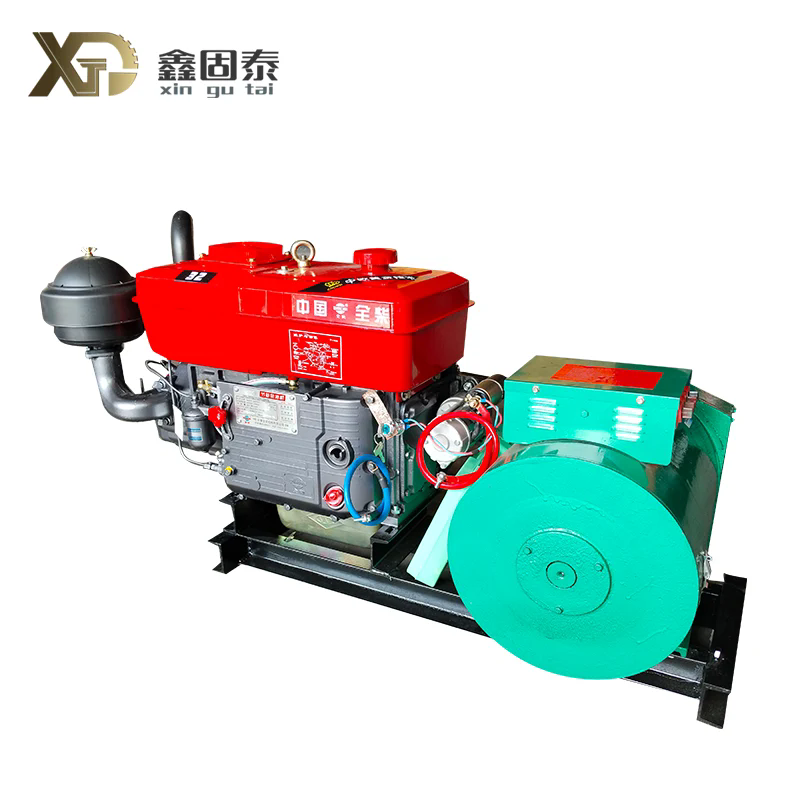
Trending News Headlines: Top Searches on Diesel Generator Sets
- "2024’s Most Efficient Diesel Generator Sets for Industrial Use"
- "How Diesel Generator Sets Ensure Healthcare Continuity During Grid Failures"
- "Diesel vs. Gas Generator Sets: Which Offers Better Long-Term Value?"
These headlines underscore the priorities of businesses and organizations: balancing fuel efficiency with power output, ensuring reliability in life-critical sectors, and evaluating long-term cost-effectiveness. Staying updated on these trends helps in selecting a generator set that aligns with both immediate needs and future sustainability goals.
Why Diesel Generator Sets Are Indispensable for Critical Operations
Unmatched Durability and Longevity
Diesel engines are built to withstand heavy, continuous use, with robust components that resist wear and tear even under high loads. Unlike gasoline engines, which operate at higher RPMs and generate more heat, diesel engines run at lower speeds, reducing friction and extending their lifespan. A well-maintained diesel generator set can operate reliably for 10,000+ hours—far exceeding the lifespan of many alternative power sources. This durability is critical for industries like manufacturing, where generators may run for extended periods during grid outages or as primary power in remote locations.
Fuel Efficiency and Cost Savings
Diesel fuel contains more energy per gallon than gasoline, meaning diesel generator sets deliver more power per unit of fuel. This efficiency translates to lower operating costs, especially for applications requiring continuous or frequent use. For example, a diesel generator running 8 hours a day for a month will consume significantly less fuel than a gasoline generator of equivalent power, reducing long-term expenses. Additionally, diesel fuel is often more stable in storage, lasting 6–12 months without degradation (compared to 30–90 days for gasoline), making it ideal for backup systems that may sit idle for extended periods.
High Power Output and Load Handling
Diesel generator sets excel at delivering high power output, making them suitable for heavy-duty applications. They can handle large, sudden loads—such as starting industrial motors or powering multiple pieces of equipment simultaneously—without sacrificing performance. This capability is vital for facilities like data centers, where a sudden power surge from servers or cooling systems must be managed seamlessly to prevent downtime. From 10kW portable units to 2000kW+ industrial systems, diesel generator sets scale to meet the demands of any operation.
Reliability in Extreme Conditions
Diesel engines perform reliably in harsh environments, including extreme temperatures, high humidity, and dusty or corrosive settings. This makes them ideal for outdoor installations, remote job sites (like mining or construction), and regions prone to severe weather. Many diesel generator sets are equipped with weatherproof enclosures, heavy-duty air filtration systems, and cold-weather starting features (such as block heaters), ensuring they operate when other power sources fail. For example, in areas hit by hurricanes or blizzards, diesel generators often remain the only functional power source, keeping critical services running.
Low Maintenance Requirements
While all generators require maintenance, diesel systems are designed for simplicity and durability, reducing upkeep needs. They have fewer moving parts than gasoline engines, minimizing the risk of mechanical failure, and do not require spark plugs or carburetors—components that often need replacement. Regular maintenance tasks, such as oil changes and filter replacements, are straightforward and can be performed with basic tools, reducing downtime and repair costs.
Key Features to Consider in Diesel Generator Sets
Power Rating (kW/kVA)
The power rating determines the generator’s capacity to handle loads. It is measured in kilowatts (kW) for real power or kilovolt-amperes (kVA) for apparent power (typically, 1 kVA = 0.8 kW). Choose a generator with a continuous power rating (kW) that exceeds your maximum expected load. For example, a facility requiring 500kW of continuous power should select a generator rated for 600kW to account for temporary surges.
Engine Performance and Brand
The engine is the heart of the generator set, so opt for reputable brands known for reliability (e.g., Cummins, Perkins, Yanmar). Look for engines with high torque output, efficient fuel injection systems, and low emission ratings (compliant with standards like EPA Tier 4 or EU Stage V) to balance performance with environmental responsibility.
Alternator Quality
The alternator converts mechanical energy into electrical power, so its efficiency and stability are critical. Brushless alternators are preferred for their durability and low maintenance, while features like automatic voltage regulation (AVR) ensure consistent power output, protecting sensitive equipment from voltage fluctuations.
Control Systems and Automation
Modern diesel generator sets often include advanced control panels with features like automatic start/stop (triggered by power outages), remote monitoring (via mobile app or SCADA systems), and diagnostic alerts. These features reduce the need for manual intervention, ensuring the generator activates quickly during outages and simplifies maintenance tracking.
Enclosure and Noise Level
Enclosures protect the generator from environmental damage and reduce noise. Weatherproof, sound-attenuated enclosures (with noise levels as low as 65 dB at 23 ft) are ideal for residential areas or facilities where noise is a concern. For industrial settings, open or weatherproof enclosures may suffice, prioritizing durability over noise reduction.
Fuel Tank Capacity and Refueling Options
The fuel tank size determines runtime—larger tanks reduce the need for frequent refueling. For extended outages, generators with external fuel tank compatibility or automatic refueling systems (connected to a bulk storage tank) ensure uninterrupted operation.
Our Premium Diesel Generator Set Specifications
|
Feature
|
Portable Diesel Generator Set (GT-D50)
|
Industrial Backup Generator Set (GT-D500)
|
Large-Scale Power Generator Set (GT-D2000)
|
|
Engine Brand
|
Yanmar 3TNV88
|
Cummins QSX15
|
Perkins 4016-61TRG3
|
|
Rated Power (kW)
|
50 kW
|
500 kW
|
2000 kW
|
|
Standby Power (kW)
|
55 kW
|
550 kW
|
2200 kW
|
|
Voltage Options
|
120/240V (Single-Phase)
|
208/480V (Three-Phase)
|
480/277V (Three-Phase)
|
|
Fuel Consumption (at 75% load)
|
11.2 L/h
|
98 L/h
|
380 L/h
|
|
Fuel Tank Capacity
|
120 L
|
1000 L
|
3000 L + external tank compatibility
|
|
Runtime at 75% Load
|
10.7 hours
|
10.2 hours
|
7.9 hours (with internal tank)
|
|
Alternator Brand
|
Mecc Alte
|
Stamford
|
Marathon
|
|
Alternator Type
|
Brushless, AVR
|
Brushless, AVR with PMG
|
Brushless, AVR with PMG
|
|
Control System
|
DeepSea DSE7310 (manual/auto start)
|
DeepSea DSE8610 (remote monitoring, auto start)
|
DeepSea DSE9610 (SCADA integration, auto start)
|
|
Noise Level (at 7m)
|
72 dB
|
85 dB (sound-attenuated enclosure)
|
92 dB (weatherproof enclosure)
|
|
Dimensions (LxWxH)
|
2500x1100x1500 mm
|
4800x2100x2500 mm
|
8000x3200x3800 mm
|
|
Weight
|
1200 kg
|
5800 kg
|
22000 kg
|
|
Emission Compliance
|
EPA Tier 4 Final
|
EPA Tier 4 Final
|
EU Stage V
|
|
Safety Features
|
Low oil pressure shutdown, high temperature shutdown, overcurrent protection
|
CO monitoring, low oil pressure shutdown, high temperature shutdown, remote emergency stop
|
CO monitoring, flame arrestor, high temperature shutdown, low fuel level alert, remote emergency stop
|
|
Warranty
|
2 years
|
3 years
|
5 years
|
All our generator sets undergo rigorous testing, including load bank testing, to ensure they perform under maximum stress. We use corrosion-resistant materials and weatherproof components to extend service life, even in harsh environments.
FAQ: Common Questions About Diesel Generator Sets
A: Service frequency depends on usage: for standby generators (used occasionally), service every 6 months or 200 hours of operation is typical; for continuous-use generators, service every 250–500 hours is recommended. Maintenance tasks include: 1. Oil and filter changes: Replace engine oil and oil filters to prevent wear—use diesel-specific oil (e.g., 15W-40). 2. Fuel system checks: Inspect fuel lines for leaks, clean fuel filters, and drain water from the fuel tank (diesel attracts moisture). 3. Cooling system: Check coolant levels and inspect hoses for cracks; flush the system annually to prevent corrosion. 4. Battery maintenance: Test battery voltage and clean terminals to ensure reliable starting. 5. Alternator and electrical components: Inspect wiring, terminals, and alternator connections for damage or corrosion. 6. Load testing: Run the generator at 50–75% load for 30 minutes monthly to prevent wet stacking (fuel buildup in the engine) and ensure proper operation. Following the manufacturer’s service schedule and using genuine parts is critical to maintaining reliability.