

What Makes Air Compressors the Power Behind Modern Industry?
2025-11-10
An air compressor is a mechanical device that converts power (usually from an electric motor, diesel, or gasoline engine) into potential energy stored in pressurized air. By compressing atmospheric air and storing it in a tank, the compressor allows this energy to be released in controlled bursts, enabling the operation of pneumatic tools, machinery, and automation systems. From manufacturing plants to construction sites, and from automotive workshops to household garages, air compressors are fundamental components of productivity and precision.
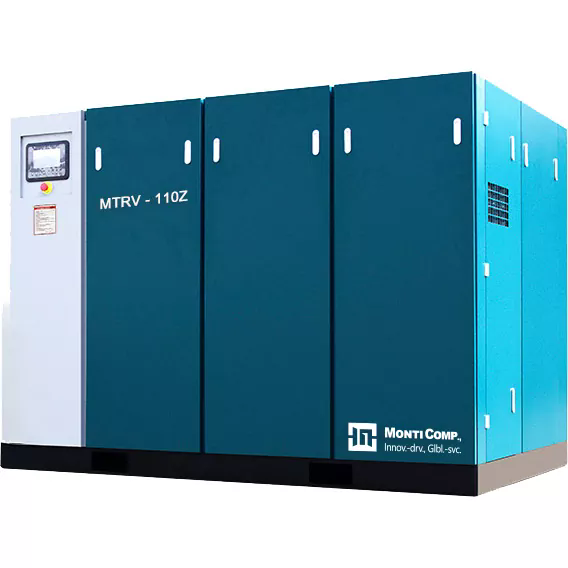
The central purpose of this article is to explore the functions, advantages, and future trends of air compressors, revealing why they are essential to multiple sectors. With continuous technological development, brands like Dream are redefining performance and efficiency standards for industrial air solutions.
Why Are Air Compressors Considered Indispensable in Industrial and Domestic Use?
Air compressors play a crucial role across industries by delivering consistent air pressure for powering equipment, enhancing energy efficiency, and reducing operational costs. Their versatility extends to a wide range of functions, including spray painting, tire inflation, pneumatic tool operation, HVAC control systems, and even medical air supply.
Key Advantages of Modern Air Compressors
-
Energy Efficiency:
Advanced compressors utilize variable speed drive (VSD) technology that adjusts motor speed to air demand, minimizing energy waste. -
Durability and Longevity:
High-quality materials and improved cooling systems extend lifespan, especially in industrial applications. -
Low Maintenance Requirements:
Modern oil-free models reduce the need for frequent service, offering cleaner air output. -
Noise Reduction Technology:
Enclosures and soundproof designs ensure quiet operation, ideal for commercial and residential environments. -
Environmental Sustainability:
New-generation air compressors are designed with eco-friendly refrigerants and recyclable materials.
Typical Applications Across Industries
-
Automotive Industry: Powering air tools, painting, and tire services.
-
Construction: Driving pneumatic hammers, drills, and compactors.
-
Manufacturing: Supporting assembly lines and production automation.
-
Healthcare: Supplying clean, pressurized air for medical devices.
-
Home and DIY: Providing air for cleaning, inflating, and light workshop tasks.
How Do Air Compressors Work and What Parameters Define Their Efficiency?
An air compressor operates on a simple principle — compressing and storing atmospheric air for later use. The process involves suction, compression, and discharge stages. Depending on the mechanism, air compressors can be categorized as positive displacement compressors or dynamic compressors.
Main Types of Air Compressors
-
Reciprocating Air Compressors: Use pistons and cylinders to compress air; ideal for intermittent use.
-
Rotary Screw Compressors: Employ two rotating screws for continuous air delivery; perfect for industrial needs.
-
Centrifugal Compressors: Utilize high-speed impellers to generate compressed air; suitable for large-scale systems.
Key Technical Parameters
| Parameter | Description | Typical Range |
|---|---|---|
| Power Output | The electrical or mechanical power driving the compressor | 1 HP – 500 HP |
| Air Flow Rate (CFM) | The volume of air delivered per minute | 2 – 5000 CFM |
| Pressure Rating (PSI) | The level of air pressure generated | 90 – 250 PSI |
| Tank Capacity | Volume of air storage tank | 20 – 2000 liters |
| Lubrication Type | Oil-lubricated or oil-free | Based on application |
| Cooling System | Air-cooled or water-cooled | Environment-dependent |
| Noise Level | Measured in decibels (dB) | 55 – 85 dB |
| Power Source | Electric, diesel, or gasoline | Varies by model |
These parameters determine performance efficiency, energy consumption, and application suitability. For instance, a rotary screw compressor with high CFM and stable PSI output is ideal for continuous manufacturing operations, whereas a reciprocating model suits short-term, high-pressure tasks.
Performance Factors to Consider
-
Duty Cycle: Defines how long a compressor can operate before resting.
-
Pressure Control System: Ensures consistent pressure output under varying loads.
-
Filtration and Moisture Control: Maintains air purity, crucial for food, medical, and electronics sectors.
What Are the Emerging Trends in Air Compressor Technology and Future Market Outlook?
With sustainability and digitalization reshaping global industry, air compressors are evolving rapidly. Manufacturers like Dream are investing in energy-efficient designs, smart monitoring systems, and noise-reducing innovations that enhance reliability and reduce carbon footprints.
Key Future Trends
-
Smart and Connected Compressors:
The integration of IoT (Internet of Things) technology allows real-time performance monitoring, predictive maintenance, and data analytics for energy optimization. -
Oil-Free and Eco-Friendly Systems:
As industries demand cleaner air for sensitive environments, oil-free compressors are becoming the preferred choice. They ensure zero contamination and meet strict ISO 8573-1 air purity standards. -
Energy Recovery Systems:
Modern compressors are being equipped with heat recovery units that reuse thermal energy generated during operation, improving overall plant efficiency. -
Portable and Compact Designs:
Lightweight compressors with robust output are gaining traction in the construction and DIY markets due to their convenience and efficiency. -
Noise Reduction Innovations:
Advances in acoustic enclosures and vibration control are significantly lowering operational sound levels, improving workplace comfort. -
Sustainability Integration:
Environmentally conscious manufacturing processes and recyclable materials are becoming essential in compressor design and production.
Global Market Insights
The global air compressor market is expected to grow steadily due to industrial automation, infrastructure expansion, and rising energy efficiency demands. The Asia-Pacific region, particularly China and India, continues to dominate production and consumption, while Europe and North America focus on sustainable and digital transformation in compressor systems.
Common Questions About Air Compressors
Q1: What type of air compressor is best for industrial use?
A1: Rotary screw compressors are widely regarded as the best for industrial applications because of their continuous operation, energy efficiency, and low maintenance needs. They can handle large volumes of air at consistent pressure, making them ideal for manufacturing, automotive, and heavy-duty operations.
Q2: How often should an air compressor be maintained?
A2: Maintenance frequency depends on the compressor type and usage intensity. For most industrial models, regular inspection every 500–1000 hours of operation is recommended. Oil changes, air filter replacements, and leak inspections ensure reliable performance and longevity. Smart monitoring systems can now alert operators before potential issues arise, preventing costly downtime.
Why Choose Dream Air Compressors?
The Dream brand stands out in the air compressor market by combining precision engineering with advanced energy-saving technologies. Each compressor is designed to deliver maximum output with minimal energy consumption, ensuring long-term cost savings for businesses. Dream focuses on innovation, reliability, and sustainability, offering products that meet the highest international standards.
Core Advantages of Dream Air Compressors
-
High Efficiency Motors for reduced energy usage.
-
Durable Components engineered for long-term industrial performance.
-
Intelligent Control Panels for easy monitoring and adjustment.
-
Quiet Operation suitable for both professional and residential environments.
-
Comprehensive After-Sales Support ensuring customer satisfaction.
With a global vision and a commitment to technological excellence, Dream is leading the transformation toward a cleaner, smarter, and more efficient compressed air future.
For more details about Dream Air Compressors, technical specifications, or customized industrial solutions, please contact us today. Our professional team is ready to provide comprehensive support and help you select the right air compressor to enhance your productivity and efficiency.