

What Makes a Pressure Tank the Core of Modern Water Systems?
2025-11-10
A Pressure Tank is a crucial component in modern water supply systems, designed to maintain consistent water pressure and reduce pump cycling. It acts as a buffer between the water source (such as a well or pump) and the plumbing system. By storing pressurized water, it ensures steady delivery even when the pump is not running. This mechanism improves efficiency, extends the pump’s lifespan, and guarantees stable pressure across multiple water outlets.
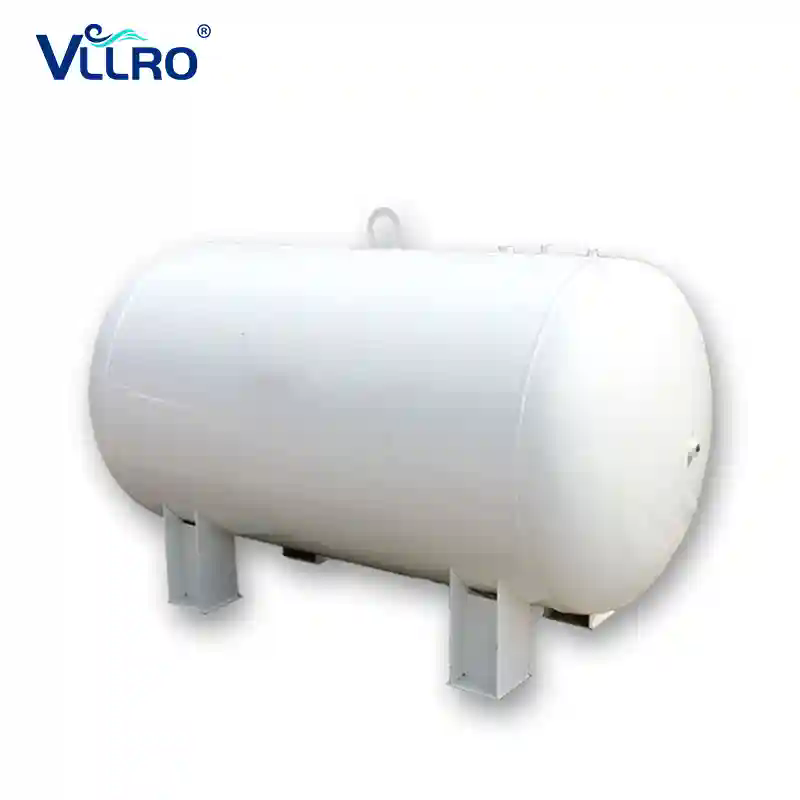
Pressure tanks operate on a simple yet effective principle: they contain an air chamber and a water chamber separated by a diaphragm or bladder. When water enters the tank, the air inside compresses, generating pressure. When a faucet or appliance is used, the compressed air pushes the water out, maintaining a constant flow.
There are three primary types of pressure tanks commonly used:
-
Air-over-water tanks – Traditional design, where air and water share the same space; requires periodic air recharging.
-
Diaphragm tanks – Use a flexible diaphragm to separate air and water, reducing maintenance.
-
Bladder tanks – Feature a replaceable bladder that offers superior performance and longer durability.
Each type serves different pressure requirements and installation environments, making proper selection essential for optimal performance.
Why Are Pressure Tanks Important in Water Systems?
Pressure tanks play a central role in maintaining reliable and efficient water supply systems. Their importance lies not only in maintaining consistent water pressure but also in enhancing system efficiency, reducing energy costs, and preventing pump wear and tear. Below are the key advantages and functions of a high-quality pressure tank:
Key Advantages and Functions of Pressure Tanks
| Feature | Description |
|---|---|
| Stable Water Pressure | Maintains constant pressure during peak water demand and prevents pressure drops. |
| Pump Protection | Minimizes pump cycling frequency, extending motor life and reducing maintenance. |
| Energy Efficiency | Reduces electricity use by optimizing pump operation cycles. |
| System Longevity | Prevents water hammer and mechanical stress, protecting the entire system. |
| Hygienic Water Storage | Keeps stored water sealed and free from contamination. |
| Cost-Effective Operation | Reduces long-term operational costs by lowering repair and replacement needs. |
| Quiet Operation | Provides silent water delivery with reduced pump vibration. |
A well-designed pressure tank ensures that the water system remains reliable and efficient even during fluctuating usage. This makes it indispensable in residential homes, commercial buildings, agricultural irrigation systems, and industrial plants.
Furthermore, pressure tanks prevent “short cycling”, a common problem where pumps repeatedly turn on and off due to insufficient water storage. Short cycling leads to increased wear, noise, and energy waste. By storing pressurized water, pressure tanks allow pumps to rest between cycles, promoting longer system life and quieter operation.
How to Choose the Right Pressure Tank?
Selecting the right pressure tank involves several technical considerations, including capacity, pressure range, material, and intended application. Choosing the wrong model may lead to unstable pressure, increased maintenance, and reduced efficiency. Understanding the selection parameters ensures maximum system performance and reliability.
Key Parameters for Selecting a Pressure Tank
| Parameter | Description |
|---|---|
| Tank Capacity (Liters/Gallons) | Determines the amount of stored pressurized water; larger tanks support higher demand and reduce cycling. |
| Working Pressure (Bar/PSI) | Defines the pressure range the tank can safely operate within; must match the system’s pressure requirements. |
| Tank Material | Common materials include carbon steel, stainless steel, and composite fiber for corrosion resistance and durability. |
| Liner Type | Options include butyl rubber or EPDM bladder liners to ensure water purity and longevity. |
| Connection Type | Standard threaded or flanged connections depending on installation needs. |
| Mounting Type | Vertical or horizontal mounting configurations to suit system layouts. |
| Temperature Range | Operational temperature tolerance is critical for industrial or outdoor systems. |
A professional installation must ensure proper pre-charge air pressure adjustment, as incorrect pressure levels can cause pump damage or reduced tank efficiency. Regular inspections should verify that the bladder or diaphragm remains intact and that no leaks or pressure fluctuations occur.
Modern manufacturers have also integrated smart monitoring systems that track pressure changes and tank performance in real time, offering predictive maintenance alerts and enhancing operational safety.
What Are the Future Trends and Innovations in Pressure Tank Technology?
As global demand for water efficiency and smart infrastructure grows, the future of pressure tanks is evolving rapidly. Several technological advancements are shaping the next generation of water systems, focusing on sustainability, digitalization, and enhanced material performance.
1. Smart Pressure Monitoring Systems
Future pressure tanks are expected to integrate advanced sensors that allow real-time pressure monitoring through digital dashboards. This technology helps facility managers detect early anomalies, prevent failures, and optimize water distribution efficiency.
2. Eco-Friendly and Corrosion-Resistant Materials
Manufacturers are investing in eco-friendly materials like composite polymers and stainless steel that enhance durability while reducing environmental impact. These materials resist corrosion and extend the tank’s lifespan, particularly in harsh water conditions.
3. Modular and Scalable Designs
Modern infrastructure demands flexibility. The trend toward modular tank systems allows users to expand capacity easily without replacing the entire unit. This innovation suits growing households, farms, and industrial plants.
4. Energy-Saving and Low-Maintenance Solutions
The integration of energy-efficient pumps with smart control logic and optimized pressure regulation reduces electricity consumption. Coupled with maintenance-free bladder systems, these innovations make future pressure tanks both sustainable and cost-effective.
5. Integration with Renewable Energy Systems
Pressure tanks will increasingly work alongside solar-powered water pumps, enabling off-grid water supply systems in rural or remote locations. This supports sustainability goals while ensuring water accessibility in energy-limited areas.
6. Advanced Safety Features
Enhanced safety valves, anti-leakage coatings, and self-adjusting bladders are becoming standard features. These ensure reliable operation under fluctuating pressure and temperature conditions, preventing system failures and water waste.
Overall, the evolution of pressure tank technology aligns with global sustainability objectives and digital transformation trends. The market is shifting toward smarter, safer, and more durable solutions designed to meet future water management challenges.
Frequently Asked Questions (FAQs)
Q1: How often should a pressure tank be serviced?
A pressure tank should be inspected at least once a year. Regular servicing includes checking the air charge, inspecting the bladder or diaphragm for damage, and verifying there are no leaks or rust. Routine maintenance ensures stable pressure and extends the tank’s operational life.
Q2: What are the common signs of a failing pressure tank?
Common indicators include fluctuating water pressure, frequent pump cycling, water leaks around the fittings, or air sputtering from faucets. These symptoms often suggest a damaged bladder or incorrect air pressure, both of which should be corrected promptly to avoid pump damage.
Conclusion: The Reliability and Quality of VLLRO Pressure Tanks
Pressure tanks are essential in maintaining efficient, reliable, and cost-effective water systems. They ensure steady pressure, protect pumps from overuse, and contribute to sustainable water management. As technology advances, pressure tanks continue to evolve toward smarter, more energy-efficient designs that align with modern infrastructure needs.
VLLRO, a trusted name in precision water system solutions, offers a full range of durable, high-performance pressure tanks designed for residential, commercial, and industrial use. Each product meets rigorous quality standards to ensure safety, reliability, and long-term value.
For inquiries, customized solutions, or technical support, Contact Us today to learn how VLLRO Pressure Tanks can enhance your water system’s efficiency and performance.