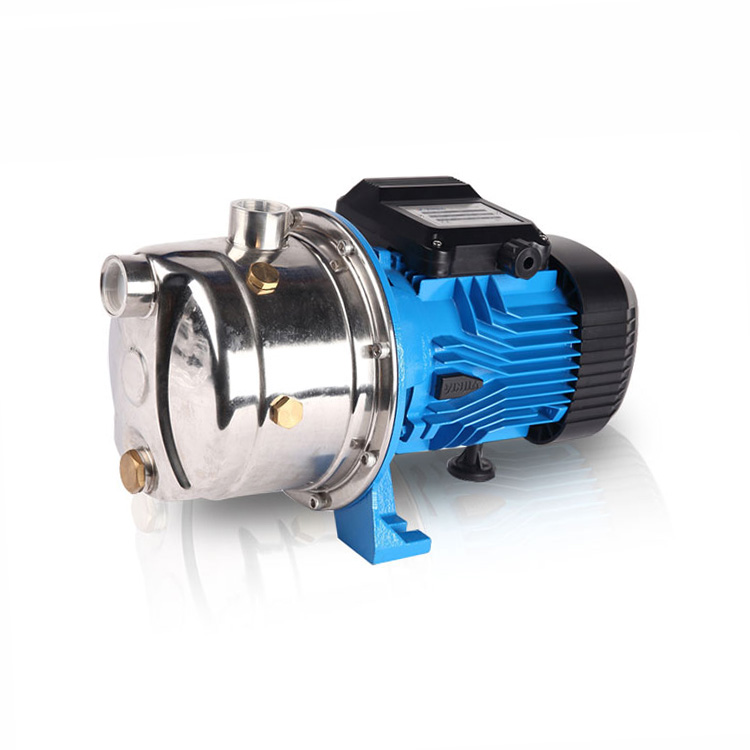

The Ballet of Liquid Energy: Mechanism Unveiled Behind Fuel Dispensing from a Gas Pump
2023-11-16
Introduction:
In the rhythm of our daily lives, the act of refueling at a gas pump is a choreography of efficiency and precision. Behind this seemingly straightforward process lies a fascinating mechanism that orchestrates the dispensing of liquid energy into our vehicles. In this blog, let's delve into the intricate dance that unfolds every time we engage with a gas pump, exploring the mechanism that propels fuel from the pump to the gas tank.
1. Triggering the Dispenser:
The fueling ballet commences when a driver arrives at the gas station and lifts the nozzle from its holster. This simple act triggers a series of events that will culminate in the seamless flow of gasoline.
2. Selecting Fuel Grade:
Before the liquid energy is set in motion, the driver must choose the appropriate fuel grade. Gas pumps typically offer options like regular, mid-grade, and premium gasoline. The selection is made through clearly labeled buttons on the dispenser.
3. Initiating the Flow:
With the fuel grade selected, the driver squeezes the trigger on the nozzle, initiating the flow of gasoline. This action activates a valve within the gas pump, allowing fuel to move from the underground storage tank through the pump and into the nozzle.
4. Submersible Turbine Pump in Action:
Beneath the surface, a submersible turbine pump, submerged in the underground storage tank, springs to life. This pump draws the liquid energy from the reservoir and propels it toward the waiting dispenser, setting the stage for the main act.
5. The Venturi Effect:
As the liquid energy journeys through the dispenser, it encounters the Venturi effect—a principle of fluid dynamics. This effect occurs as the gasoline accelerates through a narrow section of the dispenser, creating a low-pressure zone that facilitates the movement of fuel.
6. Precision Metering:
Within the gas pump, a precision metering system comes into play. This system is calibrated to measure the precise quantity of fuel being dispensed. Accuracy is paramount, ensuring that customers receive the correct amount of fuel for the money they invest.
7. Vapor Recovery System:
In tune with environmental consciousness, modern gas pumps incorporate a vapor recovery system. This component captures gasoline vapors that would otherwise be released into the atmosphere during fueling, contributing to air quality preservation.
8. Automatic Shut-Off Mechanism:
As the liquid energy flows through the nozzle and into the waiting fuel tank, an automatic shut-off mechanism keeps a vigilant eye. This safety feature detects when the vehicle's fuel tank is full and gracefully signals the dispenser to stop the flow of fuel, preventing overfilling and spills.
9. Anti-Drip Mechanism:
As the dispensing process concludes, an anti-drip mechanism comes into play. This feature prevents excess fuel from dripping after the nozzle is returned to its holster, ensuring a clean and efficient fueling experience.
10. A Symphony of Efficiency:
The dispensing of fuel from a gas pump is not merely a mechanical task; it's a symphony of efficiency and precision. From the initial trigger pull to the orchestrated movements within the gas pump, each component plays a vital role in delivering liquid energy to the waiting vehicle.
Conclusion: Choreographing Efficiency with Every Pump
As we engage with the ballet of liquid energy at a gas pump, it's worth marveling at the precision and efficiency that underlie this everyday act. The mechanism behind fuel dispensing is a testament to engineering ingenuity, ensuring that the transfer of gasoline from pump to tank is a seamless dance, enabling us to keep our lives in motion.