

How to Ensure a Safe and Reliable Natural Gas Pipe Connection?
2025-09-05
Natural gas is a widely used energy source for residential, commercial, and industrial applications. Whether it’s heating homes, powering commercial kitchens, or fueling manufacturing processes, the safety and reliability of natural gas pipe connections play a critical role in ensuring efficient energy delivery and protecting users from potential hazards.
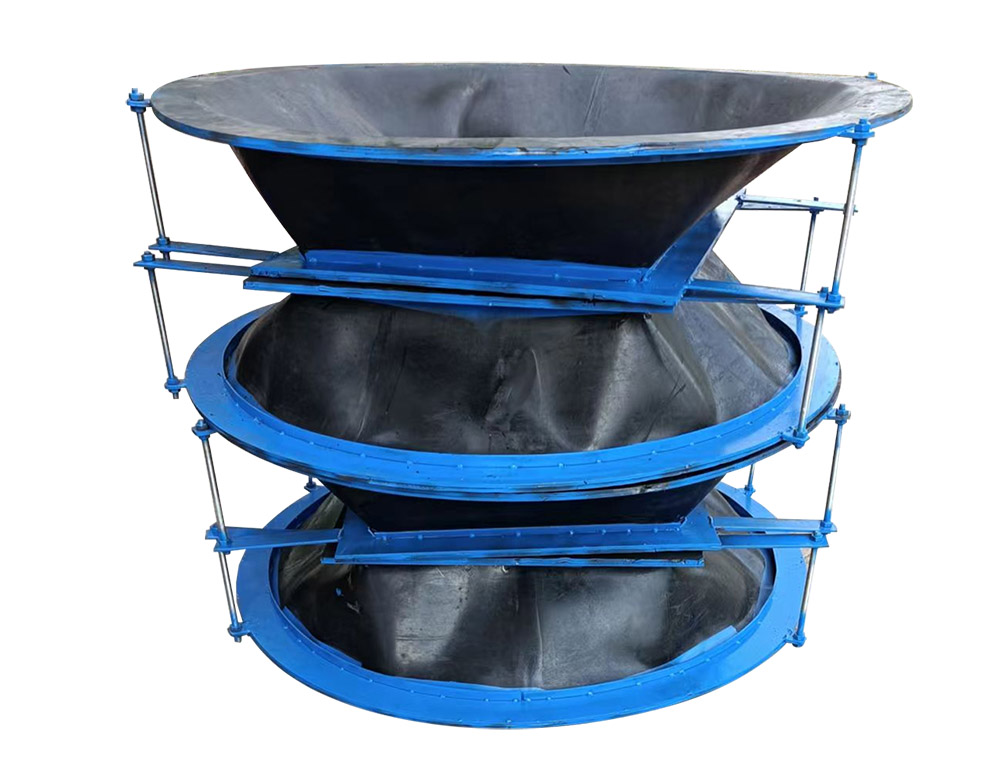
What Is a Natural Gas Pipe Connection and Why Does It Matter?
A natural gas pipe connection refers to the joining mechanism between two or more pipes in a natural gas delivery system. These connections are essential for transporting gas safely from the main supply line to appliances, heating systems, or industrial equipment.
Natural gas is highly combustible, and improper pipe connections can lead to severe consequences, including leaks, explosions, and environmental hazards. Therefore, understanding the types of connections and their characteristics is crucial for both safety and performance.
Types of Natural Gas Pipe Connections
There are several types of gas pipe connections available, each designed for specific applications:
| Connection Type | Description | Common Applications | Key Features |
|---|---|---|---|
| Threaded Connections | Use screw threads to join pipes tightly. | Residential and small-scale systems | Easy to install, widely used |
| Flanged Connections | Use bolted flanges for secure joining. | Industrial and high-pressure systems | Excellent strength and durability |
| Compression Fittings | Use ferrules and nuts for sealing. | Appliances and low-pressure systems | Leak-proof and easy to maintain |
| Welded Connections | Join pipes by melting and fusing material. | High-pressure pipelines | Superior strength and permanent sealing |
| Push-Fit Systems | Use locking mechanisms for instant connection. | Residential upgrades | Fast installation, tool-free |
Each connection type comes with its own safety considerations, pressure ratings, and suitability depending on whether the installation is residential, commercial, or industrial.
How to Install a Natural Gas Pipe Connection Safely and Efficiently
Proper installation is critical for maintaining the safety and efficiency of natural gas systems. Below are the key steps to ensure a secure connection.
Step 1: Select the Right Materials
Choosing the correct pipe material is the foundation of a safe installation. Commonly used materials include:
-
Carbon steel pipes — ideal for high-pressure systems
-
Copper pipes — best for smaller residential setups
-
Polyethylene (PE) pipes — suitable for underground gas lines
-
Stainless steel pipes — corrosion-resistant and durable for demanding environments
Step 2: Measure and Prepare the Pipes
Before making a connection:
-
Ensure precise measurements to avoid strain on joints.
-
Clean pipe surfaces thoroughly to remove dust, oil, or debris.
-
Inspect pipes for cracks or defects to prevent leaks.
Step 3: Use Proper Sealing Techniques
Gas-tight sealing is essential:
-
Apply thread sealant or PTFE tape to threaded joints.
-
Use high-quality gaskets for flanged connections.
-
Follow manufacturer recommendations for compression fittings and welded joints.
Step 4: Test for Leaks
Once the connection is made:
-
Conduct a pressure test using an air or nitrogen system.
-
Use a gas leak detector or soap solution on all joints.
-
Confirm there are no leaks before activating the gas supply.
Step 5: Follow Safety Codes and Standards
Installation must comply with local building codes and international standards, such as:
-
ANSI Z223.1 / NFPA 54 — National Fuel Gas Code
-
ASTM standards for pipe material specifications
-
ISO standards for natural gas infrastructure
By adhering to these regulations, you minimize the risk of accidents and ensure optimal performance.
Key Product Specifications for Reliable Natural Gas Pipe Connections
When selecting natural gas pipe connections, understanding the technical specifications ensures compatibility, efficiency, and safety. Here are the critical parameters to consider:
| Specification | Details |
|---|---|
| Pipe Diameter | Ranges from ½ inch for residential to 24 inches for industrial pipelines |
| Working Pressure | Typically varies from 5 PSI for home use to 1,000+ PSI for industrial systems |
| Temperature Range | Suitable from -40°C to 120°C depending on material |
| Connection Standard | ANSI, ASTM, ISO, or DIN-compliant |
| Corrosion Resistance | Stainless steel and PE pipes offer superior durability |
| Service Life | High-quality connections can last over 30 years with proper maintenance |
Investing in durable, certified components ensures long-term reliability and reduces maintenance costs.
Why Choosing the Right Natural Gas Pipe Connection Partner Matters
Selecting the right natural gas pipe connection solution is not just about buying fittings — it’s about ensuring long-term safety, efficiency, and regulatory compliance.
Benefits of High-Quality Gas Pipe Connections
-
Safety First: Minimize risks of leaks and explosions.
-
Cost Efficiency: Reduce maintenance and replacement expenses.
-
Compliance Guaranteed: Meet strict local and international standards.
-
Energy Efficiency: Improve gas flow and system performance.
Common Mistakes to Avoid
-
Using incompatible materials
-
Skipping leak tests after installation
-
Over-tightening threaded connections, leading to cracks
-
Ignoring certification and compliance standards
By partnering with a trusted supplier, you ensure that every connection is safe, efficient, and compliant.
Frequently Asked Questions (FAQs)
Q1: How do I know if my natural gas pipe connection is leaking?
A: Signs of a leak include a strong gas odor, hissing sounds near pipes, and unexplained increases in gas bills. Always use a certified gas leak detector or contact a licensed professional to confirm and fix the issue immediately.
Q2: Can I install a natural gas pipe connection myself?
A: While some residential upgrades may seem simple, it is strongly recommended to hire a certified professional. Licensed installers ensure proper sealing, pressure testing, and compliance with safety codes, significantly reducing risks.
A natural gas pipe connection is more than just a fitting — it’s a critical component that ensures safe energy delivery and protects people, property, and the environment. From selecting the right materials and connection types to following strict safety protocols, every detail matters.
At Fushuo, we specialize in providing high-quality natural gas pipe connections engineered for safety, durability, and regulatory compliance. Whether you’re upgrading a residential setup or managing a large-scale industrial project, our products deliver the reliability you need.
For more details, expert advice, or to explore our full range of natural gas pipe connection solutions, contact us today and let Fushuo help you build safer, smarter, and more efficient gas systems.