

How to Choose the Floor Drain ?
2025-09-02
Floor drains are essential components of modern plumbing systems, ensuring efficient wastewater management, preventing flooding, and maintaining a hygienic environment. Whether you are renovating your home, constructing a commercial facility, or upgrading an industrial workspace, selecting the right floor drain is critical for long-term performance.
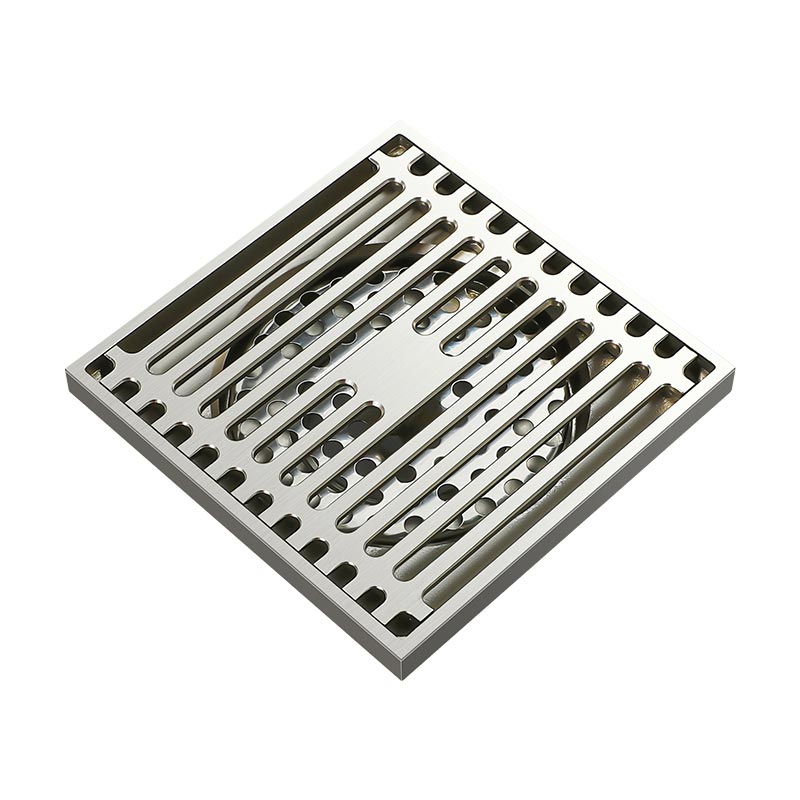
What Is a Floor Drain and Why It Matters
A floor drain is a plumbing fixture installed at the lowest point of a floor surface to channel wastewater and excess water into the drainage system. While often overlooked, it plays a crucial role in preventing water damage, avoiding foul odors, and maintaining a clean and safe environment.
Importance of Floor Drains
-
Prevents Water Accumulation – Avoids flooding in bathrooms, kitchens, basements, garages, and commercial facilities.
-
Enhances Hygiene – Efficiently removes wastewater, preventing mold and bacterial growth.
-
Controls Odor – Equipped with traps or water seals to block unpleasant sewer smells.
-
Improves Safety – Minimizes slip-and-fall hazards by draining water quickly.
Common Applications
-
Residential Spaces – Bathrooms, showers, laundry rooms, balconies, garages, and kitchens.
-
Commercial Buildings – Restaurants, shopping malls, office washrooms, and hotels.
-
Industrial Environments – Food processing plants, breweries, factories, and warehouses.
-
Outdoor Areas – Patios, driveways, swimming pools, and garden spaces.
Without a reliable floor drain system, even minor water leaks can escalate into costly damage. Therefore, choosing the right size, material, and design is a decision that directly impacts durability and functionality.
How to Choose the Right Floor Drain
Selecting the perfect floor drain requires balancing design, performance, and installation requirements. Here’s a comprehensive breakdown of the factors to consider:
Material Selection
The choice of material affects the drain’s durability, corrosion resistance, and maintenance requirements:
| Material | Advantages | Best Used In |
|---|---|---|
| Stainless Steel | Rust-proof, long-lasting, hygienic, and easy to clean | Bathrooms, kitchens, hospitals |
| Brass | High corrosion resistance, premium aesthetics | Luxury homes, upscale restaurants |
| Plastic (PVC/ABS) | Lightweight, affordable, and easy to install | Residential laundry rooms, balconies |
| Cast Iron | Heavy-duty, ideal for high-traffic areas | Industrial facilities, warehouses |
Floor Drain Types
Different floor drain types are engineered for different water flow requirements:
-
Point Drains – Collects water at a single point, best for bathrooms and kitchens.
-
Linear Drains – Designed for larger areas; allows water to flow evenly along a channel.
-
Backwater-Valve Drains – Prevents water backflow, ideal for basements and flood-prone areas.
-
Shower Drains – Slim, aesthetic designs tailored for modern bathrooms.
Size and Flow Capacity
Selecting the correct diameter ensures your drain can handle peak water flow:
| Drain Diameter | Recommended Flow Rate | Applications |
|---|---|---|
| 50 mm (2 inches) | Up to 0.5 L/s | Bathrooms, balconies |
| 75 mm (3 inches) | Up to 1.5 L/s | Kitchens, laundry rooms |
| 100 mm (4 inches) | Up to 3.0 L/s | Garages, basements |
| 150 mm+ | 5.0 L/s or more | Industrial and outdoor use |
Odor Prevention and Anti-Blockage Features
Modern floor drains come equipped with advanced features:
-
Water-Seal Traps – Prevents foul smells from entering indoor spaces.
-
Anti-Blockage Design – Stainless steel grids prevent hair and debris buildup.
-
One-Way Valves – Stops insects and backflow from entering.
Aesthetic and Functional Design
In addition to performance, floor drains also contribute to interior aesthetics:
-
Choose matte finishes for minimalist bathrooms.
-
Select mirror-polished stainless steel for luxury kitchens.
-
Opt for tile-insert drains for seamless flooring integration.
Product Specifications & Installation Tips
When choosing high-quality floor drains, precise product specifications make a big difference. Here’s a summary of professional-grade features recommended for both residential and commercial applications:
Key Product Specifications
| Feature | Details |
|---|---|
| Material | Premium 304/316 Stainless Steel or Brass |
| Surface Finish | Polished / Matte / Brushed Steel |
| Water-Seal Depth | 50mm – 70mm |
| Flow Rate | 1.5 L/s – 5.0 L/s |
| Anti-Odor System | Built-in water seal or mechanical flap |
| Load Bearing | Up to 300kg (for commercial-grade drains) |
| Temperature Resistance | -20°C to 80°C |
| Installation Type | Floor-embedded / Surface-mounted |
Installation Tips
-
Choose the Right Location – Always install at the lowest point of the floor.
-
Maintain Proper Slope – Ensure a slope of at least 1-2% toward the drain.
-
Use Professional Sealants – Prevents leakage and improves durability.
-
Test Water Flow Before Tiling – Ensures correct performance before finalizing the floor finish.
Floor Drain FAQs (Common Questions Answered)
Q1: How do I choose the right size for my bathroom floor drain?
Answer: First, measure the maximum water output of your shower or faucet. If your bathroom uses a standard shower with moderate flow, a 50 mm (2-inch) drain is sufficient. However, for bathtubs or rainfall showers, a 75 mm (3-inch) drain is recommended. Always ensure the chosen drain matches your pipe size to avoid blockages.
Q2: How can I prevent foul odors from coming out of my floor drain?
Answer: Opt for a floor drain with a built-in water seal or mechanical anti-odor flap. The water seal acts as a natural barrier, while modern anti-odor valves physically block unpleasant smells from entering your bathroom or kitchen. Regular cleaning and pouring a small amount of water into unused drains also help maintain odor protection.
Choosing the right floor drain is an essential step in ensuring efficient drainage, hygienic living conditions, and long-lasting performance for your home or business. By understanding material quality, drain types, flow capacity, and installation best practices, you can make an informed decision that fits your needs.
At Teriux, we specialize in providing premium-quality floor drains designed for both residential and commercial applications. Our products are engineered for durability, efficiency, and aesthetic appeal, meeting the highest global standards.
For bulk orders, technical consultation, or customized solutions, contact us today and let our experts guide you to the perfect drainage system.