Abstract
Natural gas generators have become a critical solution for industries, commercial facilities, and residential backup power systems seeking stable, efficient, and cleaner energy alternatives.
This article explains how natural gas generators work, how to evaluate key selection criteria, and how to avoid common purchasing and operational mistakes.
It also provides a structured guide for decision-making, performance comparison, maintenance considerations, and practical deployment scenarios to help users achieve reliable long-term power stability.
Article Outline
-
Definition and importance of natural gas generator systems
-
Core working mechanism and system components
-
Selection criteria including capacity, efficiency, and load type
-
Comparison with diesel generator alternatives
-
Industry and commercial usage scenarios
-
Maintenance strategies and lifecycle optimization
-
Operational risks and how to mitigate them
-
Practical FAQ for buyers and operators
1. Overview of Natural Gas Generators
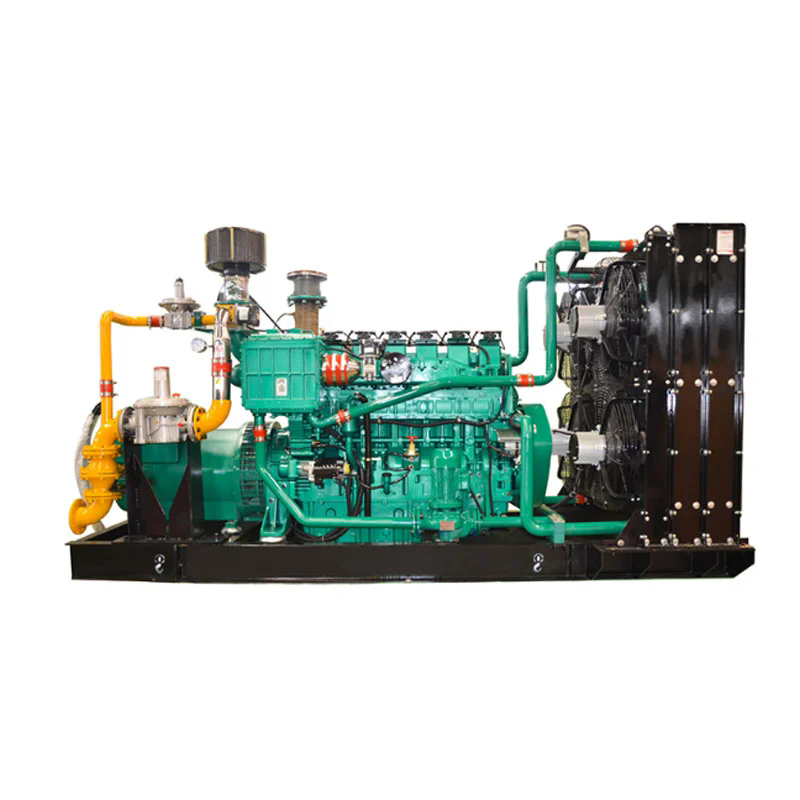
A natural gas generator is a power generation system that uses natural gas as its primary fuel source to produce electricity.
These systems are widely used in industrial facilities, hospitals, data centers, and commercial buildings where uninterrupted power is critical.
Compared to traditional fuel-based generators, natural gas systems offer improved combustion efficiency, lower emissions, and reduced long-term operating costs.
They are especially valuable in regions with stable gas pipeline infrastructure, allowing continuous operation without frequent fuel refilling.
2. How Natural Gas Generators Work
The operation of a natural gas generator is based on internal combustion. Natural gas is mixed with air and ignited inside the engine cylinder, producing mechanical energy.
This mechanical energy is then converted into electrical energy through an alternator.
Main Components:
-
Gas supply system (pipeline or storage tank)
-
Combustion engine
-
Alternator
-
Control system
-
Cooling and exhaust system
The integration of these components ensures stable voltage output, efficient fuel combustion, and safe operational control even under variable load conditions.
3. How to Choose the Right Natural Gas Generator
Selecting the correct generator requires careful analysis of power demand, operational environment, and long-term usage expectations.
A mismatch between load requirements and generator capacity can lead to inefficiency, system failure, or increased maintenance costs.
Key Selection Criteria:
-
Power Capacity: Determine total load including peak demand.
-
Fuel Availability: Ensure stable natural gas supply infrastructure.
-
Efficiency Rating: Higher efficiency reduces long-term fuel costs.
-
Load Type: Consider inductive loads like motors and compressors.
-
Noise Level: Important for residential or urban installations.
-
Automation Level: Remote monitoring and automatic start/stop functions.
Selection Checklist Table:
|
Factor
|
What to Evaluate
|
Why It Matters
|
|
Load Demand
|
Peak and continuous kW requirements
|
Prevents overload and system failure
|
|
Fuel Stability
|
Pipeline pressure and reliability
|
Ensures uninterrupted operation
|
|
Efficiency
|
Fuel-to-power conversion rate
|
Reduces operational cost
|
|
Maintenance
|
Service interval and parts availability
|
Minimizes downtime
|
4. Natural Gas vs Diesel Generators
Understanding the differences between natural gas and diesel generators helps buyers make informed decisions based on cost, performance, and environmental considerations.
|
Aspect
|
Natural Gas Generator
|
Diesel Generator
|
|
Fuel Cost
|
Generally lower and more stable
|
Higher and subject to fluctuations
|
|
Emissions
|
Lower CO₂ and particulate emissions
|
Higher emissions
|
|
Maintenance
|
Cleaner combustion reduces wear
|
More frequent maintenance required
|
|
Fuel Storage
|
Pipeline or gas network required
|
On-site fuel storage needed
|
|
Noise Level
|
Relatively quieter operation
|
Noisier operation
|
5. Key Application Scenarios
Natural gas generators are widely deployed across multiple industries where continuous power is essential. Their adaptability makes them suitable for both standby and prime power applications.
-
Industrial manufacturing plants requiring uninterrupted production lines
-
Hospitals and healthcare facilities with critical life-support systems
-
Data centers requiring stable uptime and redundancy
-
Commercial buildings and shopping complexes
-
Remote construction sites with gas access infrastructure
6. Maintenance and Operational Considerations
Proper maintenance ensures optimal performance and extends the operational lifespan of a natural gas generator system.
Although these systems require less frequent servicing compared to diesel units, they still demand structured maintenance planning.
-
Regular inspection of gas supply lines
-
Monitoring combustion efficiency
-
Replacing air and gas filters periodically
-
Checking control system diagnostics
-
Ensuring proper ventilation and cooling
Neglecting maintenance can result in reduced efficiency, unstable output, and potential safety risks.
7. Common Mistakes to Avoid
Many users encounter operational issues due to incorrect installation or poor planning. Avoiding the following mistakes improves system reliability and cost efficiency.
-
Undersizing generator capacity for actual load demand
-
Ignoring fuel supply stability before installation
-
Overlooking environmental installation conditions
-
Skipping preventive maintenance schedules
-
Failing to consider future load expansion
8. Frequently Asked Questions
Q1: Are natural gas generators suitable for continuous operation?
Yes. They are designed for both standby and continuous power applications, provided there is a stable gas supply.
Q2: How long can a natural gas generator run?
With proper maintenance and fuel availability, it can operate continuously for extended periods without major interruption.
Q3: Is installation complex?
Installation requires professional setup, especially for gas pipeline integration and electrical system synchronization.
Q4: What is the main advantage over diesel generators?
Lower emissions, reduced fuel costs, and quieter operation are key advantages.
Q5: Do they require frequent maintenance?
No. Maintenance intervals are generally longer due to cleaner combustion characteristics.
9. Conclusion
Natural gas generators provide a reliable, efficient, and environmentally improved solution for modern power demands.
Proper selection based on load requirements, fuel availability, and operational environment is essential for maximizing performance and minimizing long-term costs.
For high-quality engineered solutions and professional support, Shandong Kecheng Electric Power Equipment Co., Ltd. delivers advanced natural gas generator systems designed for industrial-grade reliability and efficiency.
If you are planning a new installation or upgrading your existing power system, contact us today to explore customized solutions tailored to your operational needs. contact us