

How Does the Terminal Bus Bar Improve Electrical Efficiency and Safety?
2025-11-03
Terminal bus bars are crucial components in modern electrical distribution systems, serving as centralized points for connecting multiple circuits while ensuring safe and reliable current flow. These components are widely used across industrial machinery, power distribution panels, renewable energy systems, and high-voltage switchgear due to their ability to handle large currents efficiently.
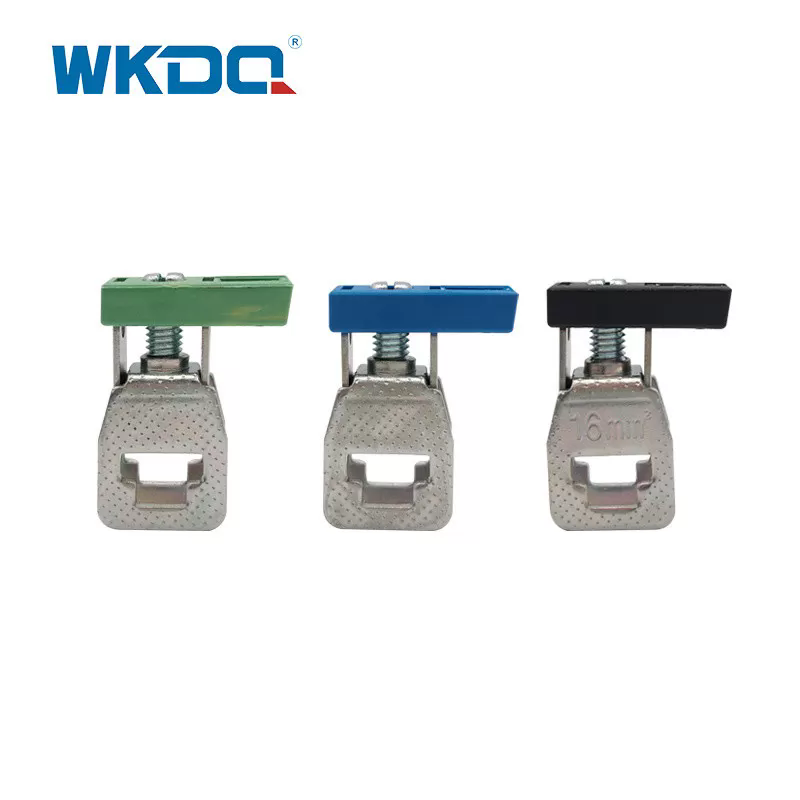
The core purpose of a terminal bus bar is to provide a stable, low-resistance pathway for electrical current, simplifying circuit management and reducing the risk of overheating or electrical faults. The increasing demand for compact, high-performance electrical systems has led to innovations in bus bar design, making them lighter, more corrosion-resistant, and capable of carrying higher currents in smaller form factors.
Technical Parameters of Terminal Bus Bar
| Parameter | Specification |
|---|---|
| Material | High-conductivity copper or aluminum |
| Surface Treatment | Tin-plated, nickel-plated, or bare copper |
| Current Rating | 50A – 5000A depending on size and material |
| Voltage Rating | Up to 1000V AC/DC |
| Operating Temperature | -40°C to +120°C |
| Mounting Type | Bolt-mounted or snap-in |
| Insulation Options | PVC, Polyamide, or custom dielectric coating |
| Standards Compliance | IEC 61439, UL 508, ISO 9001 |
This table highlights the versatility of terminal bus bars and their suitability for high-demand electrical environments. A proper selection ensures system reliability, minimizes maintenance, and increases overall operational lifespan.
What Are the Advantages of Terminal Bus Bars in Modern Electrical Systems?
Terminal bus bars bring multiple advantages that make them indispensable in industrial and commercial power systems. Understanding these benefits clarifies why they are preferred over traditional wiring methods.
1. Enhanced Electrical Efficiency
Terminal bus bars minimize electrical resistance and energy losses by providing a direct and uniform path for current. Unlike traditional cabling that may involve multiple connections and joints, bus bars reduce contact points, lowering heat generation and improving overall energy efficiency.
2. Simplified Installation and Maintenance
Bus bars allow multiple circuits to connect at a single point, drastically simplifying wiring layouts. This reduces installation time, minimizes errors, and facilitates faster maintenance and troubleshooting.
3. Improved Safety and Reliability
With properly designed bus bars, the risk of loose connections, short circuits, and overloads decreases significantly. The use of high-quality materials and surface treatments enhances conductivity while preventing corrosion, which is critical in industrial environments exposed to humidity, dust, or chemicals.
4. Space Optimization in Electrical Panels
Modern electrical systems demand compact designs. Terminal bus bars consolidate multiple connections into a small footprint, freeing up space for additional components and enabling more efficient panel layouts.
5. Scalability and Adaptability
Terminal bus bars can accommodate system expansion. Modular designs allow engineers to add new circuits without redesigning the entire panel, providing flexibility for future upgrades.
How Does a Terminal Bus Bar Function, and What Are Future Trends?
The operation of a terminal bus bar involves distributing electrical current from a main supply line to multiple outgoing circuits while maintaining voltage stability and current balance. High-conductivity copper or aluminum ensures minimal resistance, while robust mounting designs provide mechanical strength to withstand vibrations and thermal expansion.
Key Functional Principles
-
Current Distribution: Bus bars act as junctions for multiple circuit connections, distributing current evenly.
-
Heat Dissipation: Large surface areas and metal conductivity allow bus bars to dissipate heat effectively, preventing thermal buildup.
-
Insulation Support: Coatings or insulating housings protect against accidental contact and short circuits.
-
Voltage Stability: The solid conductive path minimizes voltage drops across connections, ensuring consistent operation of all connected devices.
Emerging Trends in Terminal Bus Bar Technology
-
Lightweight Materials: Aluminum and composite alloys reduce weight without compromising conductivity.
-
Advanced Coatings: Anti-corrosive and nano-plating technologies increase durability in harsh environments.
-
Integration with Smart Panels: Bus bars embedded with sensors can monitor current, temperature, and fault conditions in real-time.
-
Eco-friendly Design: Recyclable materials and minimal waste production align with sustainability goals.
-
Miniaturization: Higher current capacity in smaller profiles allows for more compact and efficient electrical panels.
Terminal bus bars are no longer just passive conductors; they are evolving into intelligent components that contribute to energy efficiency, predictive maintenance, and system automation.
Frequently Asked Questions and Industry Insights
Q1: What factors should be considered when selecting a terminal bus bar?
A1: Material conductivity, current and voltage ratings, operating environment, installation type, and compliance with international standards are critical. For example, copper bus bars offer superior conductivity but are heavier than aluminum. Surface plating such as tin or nickel ensures corrosion resistance, especially in humid or industrial settings.
Q2: How can the lifespan of a terminal bus bar be maximized?
A2: Regular inspection for signs of corrosion or loose connections, proper torque during installation, and operating within rated current and temperature limits will extend lifespan. Choosing bus bars from reputable manufacturers that comply with IEC or UL standards ensures higher reliability.
Terminal bus bars remain a cornerstone of electrical system design, combining efficiency, safety, and adaptability. For industries aiming for long-term performance, choosing high-quality products is critical.
WKDQ has been a trusted provider of terminal bus bars, delivering solutions that meet both industrial standards and modern energy efficiency requirements. Our product lines offer scalable designs, durable materials, and customizable options to fit diverse applications. Contact us today to explore our terminal bus bar solutions and enhance the safety, efficiency, and performance of your electrical systems.