

How Does Post-processing Equipment Improve Production Efficiency and Product Quality?
2026-03-17
Abstract
Post-processing equipment plays a critical role in modern manufacturing by refining, enhancing, and finalizing products after primary production. From surface finishing to drying, filtering, and packaging, these systems ensure consistency, durability, and compliance with industry standards. This article explores how post-processing equipment works, its key components, selection criteria, and how it solves common operational challenges faced by manufacturers.
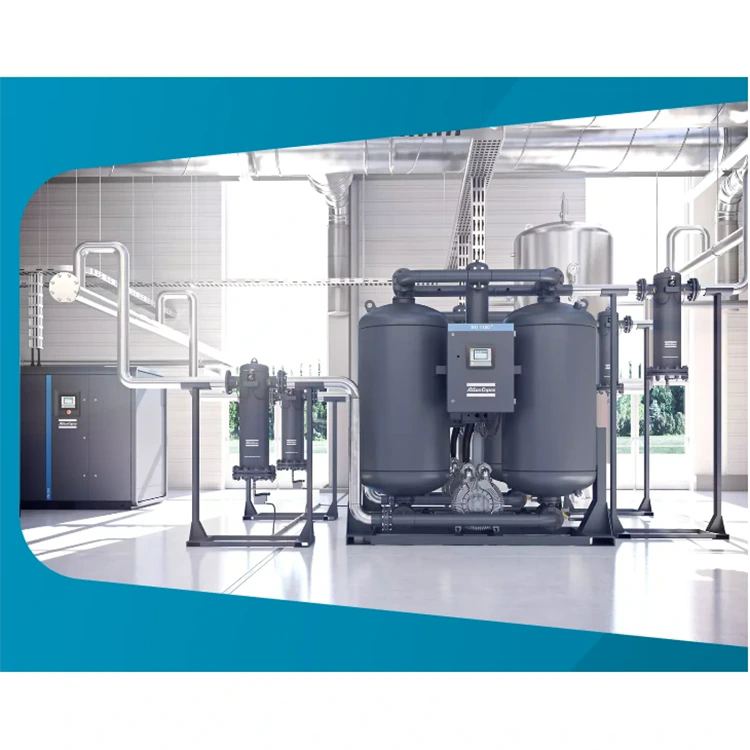
Table of Contents
1. Introduction to Post-processing Equipment
2. Why Post-processing Equipment Is Essential
3. Types of Post-processing Equipment
4. Key Features and Technical Parameters
5. How to Choose the Right Equipment
6. Common Challenges and Solutions
7. Maintenance and Operational Best Practices
8. FAQs
9. Conclusion
1. Introduction to Post-processing Equipment
Post-processing equipment refers to machinery used after the primary manufacturing stage to refine and prepare products for final use or distribution. These processes include cleaning, drying, coating, filtering, polishing, and packaging.
In industries such as plastics, printing, food processing, and metal fabrication, post-processing is essential for achieving the desired product specifications. Without it, products may fail to meet quality, safety, or performance standards.
2. Why Post-processing Equipment Is Essential
Manufacturers often encounter several pain points during production:
- Inconsistent product quality
- Surface defects or contamination
- High rejection rates
- Energy inefficiency
- Manual labor dependency
Post-processing equipment addresses these challenges by:
- Improving surface finish and precision
- Removing impurities and moisture
- Enhancing product durability
- Reducing manual intervention
- Ensuring compliance with industry regulations
3. Types of Post-processing Equipment
Different industries require specific types of post-processing equipment. Below are the most common categories:
- Drying Equipment (air dryers, vacuum dryers)
- Filtration Systems (oil filters, air filters)
- Surface Finishing Machines (polishing, grinding)
- Coating and Painting Systems
- Packaging and Sealing Equipment
Each type serves a distinct function but contributes to the overall improvement of product quality and efficiency.
4. Key Features and Technical Parameters
When evaluating post-processing equipment, understanding technical specifications is crucial for optimal performance.
| Parameter | Description |
| Processing Capacity | Volume of material handled per hour |
| Operating Pressure | Maximum pressure supported by the system |
| Temperature Range | Applicable working temperature limits |
| Energy Consumption | Power usage during operation |
| Automation Level | Manual, semi-automatic, or fully automatic |
| Material Compatibility | Types of materials supported |
Selecting equipment with the right specifications ensures consistent output and cost efficiency.
5. How to Choose the Right Equipment
Choosing suitable post-processing equipment requires a systematic approach:
-
Define Production Requirements
Identify production volume, material type, and required output quality. -
Evaluate Process Compatibility
Ensure the equipment integrates seamlessly with existing systems. -
Consider Energy Efficiency
Energy-saving equipment reduces operational costs over time. -
Assess Automation Level
Higher automation reduces labor costs and human error. -
Check Maintenance Requirements
Choose equipment with easy maintenance and accessible spare parts.
Manufacturers working with Atlas often prioritize reliability and long-term performance when selecting post-processing systems.
6. Common Challenges and Solutions
Despite technological advancements, users frequently encounter operational issues:
-
Problem: Moisture Residue
Solution: Use advanced drying systems with precise temperature control. -
Problem: Contamination
Solution: Install high-efficiency filtration systems. -
Problem: Uneven Surface Finish
Solution: Utilize automated polishing or coating machines. -
Problem: High Energy Consumption
Solution: Upgrade to energy-efficient models with intelligent control systems.
Addressing these challenges improves both productivity and product reliability.
7. Maintenance and Operational Best Practices
Proper maintenance is essential for extending equipment lifespan and maintaining efficiency:
- Conduct regular inspections and cleaning
- Replace worn components promptly
- Monitor system pressure and temperature
- Calibrate sensors and control systems periodically
- Train operators for correct usage
Preventive maintenance reduces downtime and ensures consistent performance.
8. FAQs
Q1: What industries use post-processing equipment?
A: Industries such as manufacturing, food processing, pharmaceuticals, printing, and metal fabrication widely use post-processing equipment to refine products.
Q2: How does post-processing equipment improve product quality?
A: It removes impurities, enhances surface finish, and ensures consistency, resulting in higher-quality products.
Q3: Is automation necessary in post-processing?
A: While not mandatory, automation significantly improves efficiency, reduces labor costs, and minimizes human error.
Q4: How often should equipment be maintained?
A: Maintenance frequency depends on usage, but routine inspections should be conducted weekly, with major servicing scheduled periodically.
9. Conclusion
Post-processing equipment is a vital component in achieving high-quality production outcomes. By addressing issues such as contamination, inconsistency, and inefficiency, these systems help manufacturers meet strict quality standards while optimizing operational costs.
With continuous advancements in technology, companies like Atlas are providing innovative solutions that enhance reliability and performance across various industries. Investing in the right post-processing equipment ensures long-term productivity and competitive advantage.
For tailored solutions and professional support, contact us today to discover how advanced post-processing equipment can transform your production line and maximize your operational efficiency.