

How Does Fixed Gas Detector Ensure Safety?
2025-09-22
In workplaces where gas leaks are a potential threat, a Fixed Gas Detector is one of the most reliable tools for maintaining a safe environment. Unlike portable detectors, which are carried by workers for personal safety, fixed gas detection systems are permanently installed in key locations to provide continuous monitoring. These detectors are specifically designed to sense hazardous gases—whether toxic, combustible, or oxygen-deficient—before they reach dangerous concentrations.
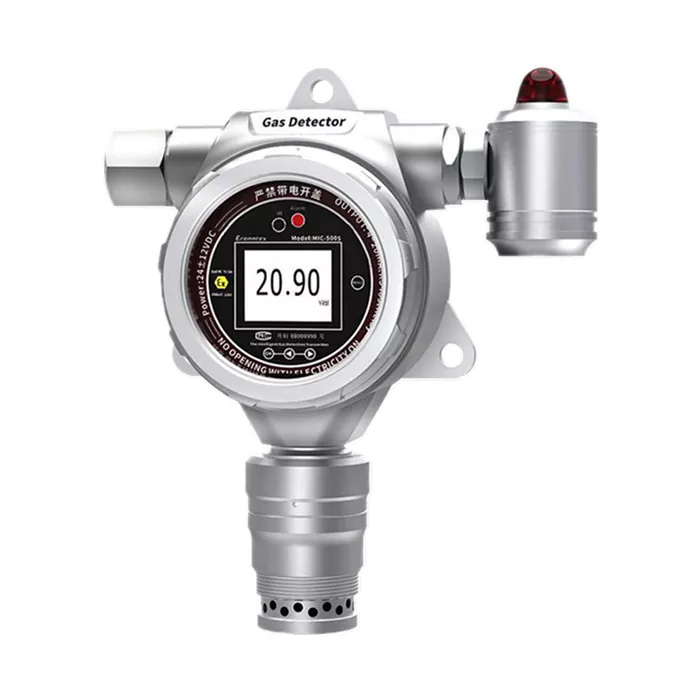
The principle of operation depends on advanced sensor technologies such as electrochemical, infrared (IR), catalytic bead, or ultrasonic sensors. Each sensor type is calibrated to detect certain gases. For example:
-
Electrochemical sensors are used for toxic gases like carbon monoxide, hydrogen sulfide, or chlorine.
-
Infrared sensors are excellent for detecting hydrocarbons and carbon dioxide.
-
Catalytic bead sensors respond to flammable gases such as methane and propane.
-
Ultrasonic sensors identify high-pressure gas leaks by detecting sound frequencies beyond human hearing.
A fixed gas detector continuously monitors the environment and sends real-time data to a control panel. If gas concentrations exceed a predefined threshold, the system triggers alarms, flashing lights, or even automatic shutdown mechanisms to prevent accidents. This proactive warning system allows industries to minimize risks and comply with international safety standards.
To illustrate the technical characteristics of a typical fixed gas detector, here is a professional parameter overview:
| Specification | Details |
|---|---|
| Detection Principle | Electrochemical, IR, Catalytic Bead, Ultrasonic |
| Detectable Gases | CO, H2S, O2, CH4, NH3, Cl2, CO2, VOCs, and more |
| Detection Range | 0–100% LEL (for combustible gases), ppm levels (for toxic gases) |
| Response Time (T90) | ≤ 30 seconds (varies by sensor type) |
| Operating Temperature | -40°C to +70°C |
| Operating Humidity | 0–95% RH, non-condensing |
| Signal Output | 4–20 mA analog, Modbus RTU, RS485, or relay |
| Display | Digital LCD with concentration, status, and alarm indicators |
| Alarm System | Audible alarm (≥85 dB), visual strobe, and remote alarm capability |
| Power Supply | 24V DC standard, optional AC supply |
| Housing | Explosion-proof, IP65/IP66-rated enclosures for harsh environments |
| Certification Options | ATEX, IECEx, UL, CE compliance depending on region |
This level of precision ensures that industries can choose the right configuration to match their application needs—whether it’s a refinery, chemical plant, pharmaceutical facility, or wastewater treatment site.
Why Do Industries Rely on Fixed Gas Detectors?
The importance of fixed gas detection cannot be overstated. Gas leaks are often invisible, odorless, and deadly if undetected. Relying on manual monitoring or portable devices alone is insufficient for areas with continuous risk. This is why industries turn to fixed gas detectors—they offer continuous protection without depending on human intervention.
1. Safety Compliance and Worker Protection
International safety organizations such as OSHA, NFPA, and ISO demand that facilities handling hazardous gases maintain strict monitoring systems. A fixed gas detector helps meet these regulations by ensuring compliance and protecting employees from toxic exposure, suffocation, or explosions.
2. Asset and Infrastructure Protection
Explosive gases like methane or propane can devastate infrastructure. Fixed detectors prevent catastrophic damage by activating automatic ventilation systems, fire suppression systems, or shutdowns when gas levels rise. This protection extends the operational life of equipment and saves companies from costly damages.
3. Operational Efficiency
Unplanned downtime caused by accidents or emergency evacuations can severely disrupt production. With real-time detection, companies can take swift corrective measures, ensuring smooth operation while reducing unnecessary shutdowns.
4. Cost-Effectiveness
While initial investment in fixed gas detectors might seem high, the long-term savings from preventing accidents, regulatory fines, and insurance claims are significant. Many industries report that gas detection systems pay for themselves by avoiding even a single serious incident.
5. Public and Environmental Safety
Beyond the workplace, gas leaks can contaminate surrounding communities and ecosystems. Fixed gas detectors help companies uphold their responsibility to the environment and maintain their public reputation.
Ultimately, industries rely on these detectors because they provide uninterrupted, automatic, and highly reliable protection that no manual system can match.
How Do Fixed Gas Detectors Improve Safety in Different Applications?
The adaptability of Fixed Gas Detectors makes them indispensable across multiple industries. Each application highlights a unique set of safety challenges that fixed detectors are specifically designed to address.
Oil and Gas Industry
In oil rigs, refineries, and natural gas processing plants, combustible gases are omnipresent. Fixed detectors continuously monitor for methane, propane, and hydrogen sulfide, ensuring that explosive environments are under control.
Chemical and Petrochemical Plants
Toxic gases like chlorine, ammonia, and sulfur dioxide are common in chemical manufacturing. Fixed detectors protect workers by triggering alarms before concentrations reach hazardous levels.
Pharmaceuticals and Laboratories
Research and production labs often handle volatile organic compounds (VOCs) and solvents. Fixed detection systems ensure laboratory safety and compliance with stringent health regulations.
Mining Operations
Fixed detectors are critical underground, where oxygen depletion and methane buildup pose life-threatening risks. They are linked to ventilation systems to prevent suffocation or explosions.
Wastewater Treatment Facilities
Methane and hydrogen sulfide are byproducts of sewage processing. Detectors ensure that workers are protected from toxic inhalation and explosions in confined spaces.
Food and Beverage Industry
Carbon dioxide used in carbonation processes can displace oxygen in enclosed areas. Fixed detectors maintain safe air composition for workers in bottling plants and breweries.
By tailoring sensor technology to each environment, fixed gas detectors help companies maintain a zero-compromise approach to safety while sustaining production efficiency.
How Can Businesses Implement and Benefit from Fixed Gas Detection Systems?
Adopting a Fixed Gas Detector system requires careful planning, installation, and maintenance to maximize effectiveness. Businesses that integrate these systems benefit in both immediate safety and long-term reliability.
Steps for Implementation
-
Risk Assessment: Identify areas where hazardous gases are most likely to accumulate.
-
Detector Selection: Choose the correct sensor type for the gases present.
-
Strategic Placement: Install detectors at critical points such as pipelines, valves, storage tanks, and confined spaces.
-
Integration: Connect detectors to central control systems for automatic responses.
-
Regular Calibration and Maintenance: Ensure detectors remain accurate over time.
Business Advantages
-
Reduced Liability: Compliance with international standards minimizes legal risks.
-
Enhanced Reputation: Companies known for strict safety measures gain stakeholder trust.
-
Long-Term Profitability: Prevention of catastrophic incidents ensures continuity of operations.
-
Technological Edge: Smart detectors with IoT integration provide advanced data analytics for predictive safety management.
Frequently Asked Questions
Q1: What is the difference between a fixed gas detector and a portable gas detector?
A fixed gas detector is permanently installed to provide continuous monitoring of specific areas, while a portable gas detector is carried by personnel for personal protection. Fixed detectors are ideal for constant, high-risk zones, whereas portable detectors are used for spot-checks or mobile safety.
Q2: How often should fixed gas detectors be calibrated?
Calibration depends on environmental conditions and the type of gas being monitored. Generally, detectors should be calibrated every 3–6 months to ensure accuracy. Facilities operating in extreme conditions may require more frequent calibration, while environments with stable conditions can extend intervals slightly under manufacturer guidance.
From oil refineries to laboratories, the role of Fixed Gas Detectors has become central to ensuring safety, compliance, and operational continuity. By combining advanced sensor technologies with automated response mechanisms, these systems not only protect human lives but also safeguard assets and the environment.
Companies that prioritize gas detection systems strengthen their resilience against risks, maintain compliance with global regulations, and enhance their reputation for responsible operations.
At Eranntex, we specialize in providing high-quality fixed gas detectors engineered for demanding environments. Our solutions are designed to deliver reliability, precision, and durability, ensuring that your facility operates with maximum safety and efficiency. To learn more about how our gas detection systems can support your business, contact us today and connect with our expert team for tailored solutions.