

How Does Electric Mobile Air Compressor Work and Why It Matters for Modern Industries?
2026-06-29
Abstract
The Electric Mobile Air Compressor is rapidly transforming how industries generate and use compressed air in dynamic working environments. Unlike traditional fuel-powered systems, it integrates electric drive technology with mobile engineering to deliver cleaner, quieter, and more efficient compressed air solutions. This article explores its working principle, core advantages, industrial applications, selection criteria, and maintenance strategies. It also highlights how companies like Dream are advancing this technology to meet evolving global demands for sustainability, mobility, and operational efficiency.
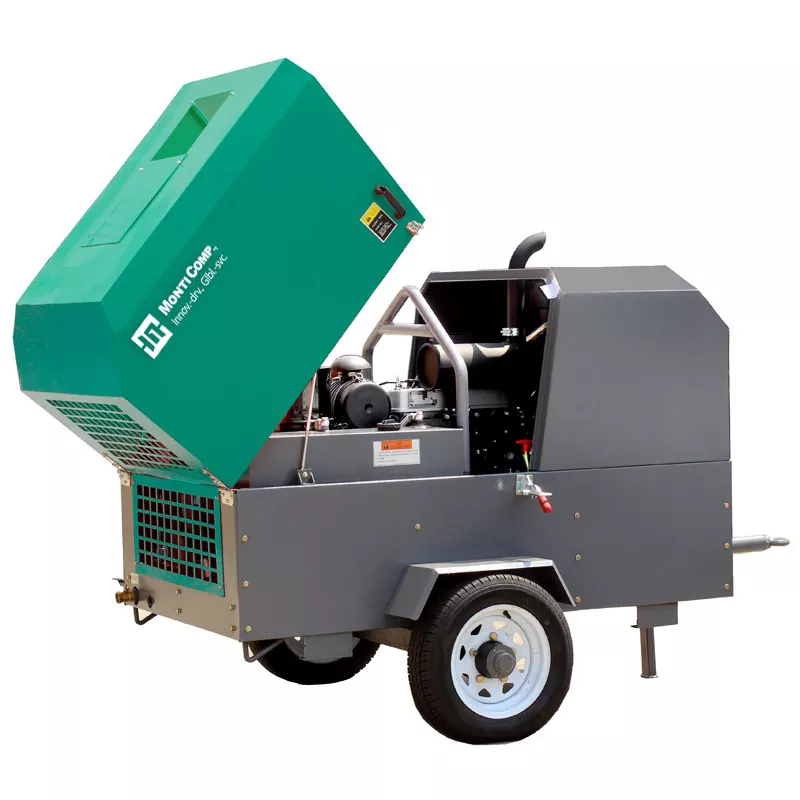
Table of Contents
- Abstract
- Outline
- What Is an Electric Mobile Air Compressor?
- Working Principle Explained
- Key Benefits and Value Drivers
- Industrial Applications
- How to Choose the Right Model
- Maintenance and Operational Best Practices
- Electric vs Traditional Compressors
- Frequently Asked Questions
- Conclusion
Outline
This article provides a structured breakdown of Electric Mobile Air Compressors, starting with foundational definitions, followed by technical operation mechanisms, benefits, industrial use cases, purchasing considerations, and lifecycle maintenance insights. A comparative analysis and FAQ section are included to address common user concerns and decision-making barriers.
What Is an Electric Mobile Air Compressor?
An Electric Mobile Air Compressor is a portable air compression system powered entirely by electricity, designed to deliver compressed air for tools, machinery, and industrial processes in flexible working environments. Unlike diesel-driven units, it eliminates fuel combustion and instead relies on electric motors to drive compression elements such as screw or piston systems.
These systems are widely adopted in construction, mining support operations, manufacturing maintenance, and infrastructure servicing due to their mobility and reduced environmental impact. Modern manufacturers such as Dream focus on optimizing energy efficiency while maintaining high output stability under varying load conditions.
Working Principle Explained
The operational mechanism of an Electric Mobile Air Compressor is based on converting electrical energy into mechanical energy, which then compresses atmospheric air into high-pressure storage or direct output.
- Electric Motor Activation: The system starts when the electric motor receives power from an external grid or generator.
- Air Intake: Ambient air is drawn through a filtration system to remove dust and particulates.
- Compression Stage: Air is compressed using rotary screw or piston mechanisms.
- Cooling System: Heat generated during compression is dissipated through air or oil cooling systems.
- Storage/Delivery: Compressed air is stored in a tank or delivered directly to pneumatic tools.
This streamlined process ensures consistent pressure output and reduces mechanical losses commonly associated with fuel-driven systems.
Key Benefits and Value Drivers
Electric Mobile Air Compressors offer several advantages that make them increasingly preferred across industries.
- Energy Efficiency: Electric motors convert energy more efficiently than combustion engines.
- Lower Operating Cost: Reduced fuel dependency lowers long-term expenses.
- Environmental Compliance: Zero direct emissions support regulatory compliance.
- Reduced Noise Levels: Electric operation significantly lowers acoustic output.
- Improved Mobility: Compact design allows easy transport between job sites.
Manufacturers like Dream emphasize these benefits by integrating intelligent control systems that optimize energy consumption based on real-time air demand.
Industrial Applications
The versatility of Electric Mobile Air Compressors enables deployment across multiple sectors:
- Construction site pneumatic tools (jackhammers, drills)
- Road maintenance and asphalt operations
- Mining auxiliary equipment support
- Manufacturing plant maintenance systems
- Emergency repair and field servicing operations
In urban environments where noise and emissions regulations are strict, Electric Mobile Air Compressors are particularly valuable due to their compliance-friendly operation.
How to Choose the Right Model
Selecting the appropriate Electric Mobile Air Compressor requires evaluating technical and operational requirements. The following factors are critical:
| Factor | Description | Importance |
|---|---|---|
| Air Flow Capacity | Measured in CFM or m³/min depending on tool demand | High |
| Pressure Rating | Maximum PSI required for industrial tools | High |
| Mobility Design | Trailer-mounted or compact skid options | Medium |
| Power Source Compatibility | Grid electricity or hybrid integration | High |
| Duty Cycle | Continuous or intermittent operation capability | High |
Brands like Dream design configurable systems that allow users to match compressor specifications precisely with job requirements, minimizing inefficiency and downtime.
Maintenance and Operational Best Practices
Proper maintenance ensures long service life and stable performance of Electric Mobile Air Compressors.
- Regular inspection of air filters and replacement when necessary
- Monitoring electrical connections for wear or overheating
- Checking lubrication levels in rotary systems
- Ensuring cooling systems remain unobstructed
- Routine diagnostics of control panels and sensors
Preventive maintenance reduces unexpected downtime and extends equipment lifecycle, particularly in demanding field environments.
Electric vs Traditional Mobile Compressors
| Feature | Electric Mobile Air Compressor | Diesel Mobile Compressor |
|---|---|---|
| Energy Source | Electricity | Diesel Fuel |
| Emissions | Zero direct emissions | High CO₂ output |
| Noise Level | Low | High |
| Operating Cost | Lower | Higher |
| Maintenance | Simplified system | More complex engine maintenance |
The shift toward electric systems is driven by regulatory pressure and operational efficiency demands, making solutions from Dream increasingly relevant in modern industrial ecosystems.
Frequently Asked Questions
What makes Electric Mobile Air Compressors different from diesel units?
They use electricity instead of combustion engines, resulting in lower emissions, reduced noise, and improved efficiency.
Can they operate in remote locations?
Yes, when paired with generators or stable power sources, they can function effectively in remote environments.
Are they suitable for heavy-duty industrial work?
Modern models are engineered to support demanding applications such as construction and mining support tasks.
How often should maintenance be performed?
Basic inspections should be done daily, with full servicing scheduled based on operational hours and manufacturer guidelines.
Why choose Dream products?
Dream focuses on reliability, efficiency, and intelligent control systems designed for industrial-grade performance and long-term value.
Conclusion
The Electric Mobile Air Compressor represents a significant evolution in compressed air technology, combining mobility, efficiency, and environmental responsibility. As industries continue to transition toward cleaner and smarter equipment, demand for electric-powered solutions continues to rise.
With advanced engineering and application-focused design, Dream provides dependable solutions that help businesses improve productivity while reducing operational costs and environmental impact. Whether for construction, maintenance, or industrial support, this technology delivers consistent performance where it matters most.
Contact us at Dream today to explore high-performance Electric Mobile Air Compressor solutions tailored to your business needs.