

How Does an Instrument Transformer Work?
2026-04-24
Summary: Instrument transformers are crucial components in modern electrical systems, enabling accurate measurement, protection, and control of high-voltage circuits. This article explores the working principles, types, benefits, and practical considerations for selecting and maintaining instrument transformers, helping engineers and facility managers make informed decisions.
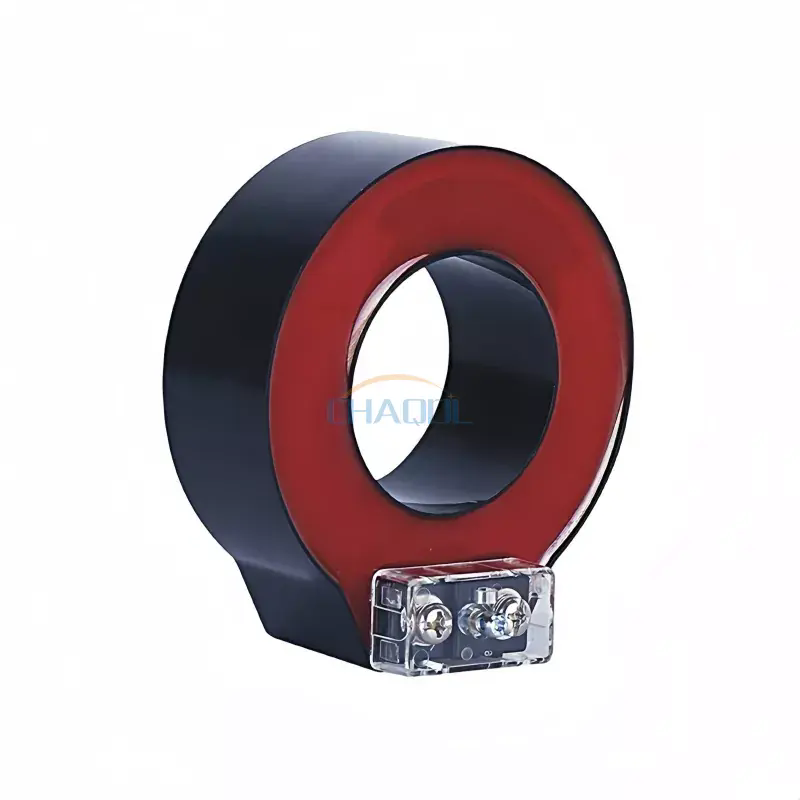
Table of Contents
What is an Instrument Transformer?
An instrument transformer is a type of transformer designed to step down high voltage or current to a safer, standardized level for measurement, monitoring, and protection purposes. Unlike power transformers, its primary function is not energy transfer but accuracy and safety in electrical systems.
- Ensures accurate readings in meters and protective relays.
- Isolates measurement devices from high voltages.
- Supports system protection by triggering relays during faults.
Types of Instrument Transformers
Instrument transformers are primarily divided into two categories:
| Type | Function | Typical Application |
|---|---|---|
| Current Transformer (CT) | Reduces high current to a lower, measurable level | Metering, protective relays |
| Voltage Transformer (VT) / Potential Transformer (PT) | Steps down high voltage to a standardized lower voltage | Voltage monitoring, relays, and meters |
Working Principle
Instrument transformers operate on the same electromagnetic induction principle as standard transformers:
- The primary winding carries the high voltage or current.
- Magnetic flux induced in the core transfers energy to the secondary winding.
- The secondary winding produces a proportional, safe voltage or current.
High precision cores and windings are used to maintain accurate transformation ratios, which are essential for reliable metering and protection.
Applications in Electrical Systems
Instrument transformers are used in diverse applications, including:
- Industrial and utility power distribution systems
- Substations for monitoring and control
- Protective relay systems for fault detection
- High-voltage metering for commercial billing accuracy
Advantages and Customer Benefits
Using instrument transformers provides multiple advantages:
- Safety: Protects personnel from high voltage.
- Accuracy: Ensures precise readings for control and billing.
- Reliability: Supports protective systems that prevent equipment damage.
- Versatility: Applicable across different voltage and current levels.
How to Select the Right Instrument Transformer
Selecting the appropriate instrument transformer involves evaluating several factors:
- System voltage and current ratings
- Accuracy class requirements
- Environmental conditions (temperature, humidity, pollution)
- Application type: metering or protection
- Compliance with industry standards
Maintenance Tips
Proper maintenance ensures longevity and accuracy:
- Regular visual inspection for damage, moisture, and contamination.
- Periodic testing of accuracy and ratio.
- Cleaning terminals and insulating parts.
- Replacing aged or faulty transformers promptly.
Frequently Asked Questions
A: Yes, but the accuracy requirements differ. Metering transformers require higher precision, while protective transformers prioritize fault detection.
A: Check for abnormal heating, distorted secondary current, or inaccurate meter readings.
A: Yes, high humidity, pollution, or temperature extremes can impact performance. Choose transformers rated for your environment.
For top-quality Instrument Transformers and professional guidance, Anqiang is your trusted partner. Contact us today to learn how we can optimize your electrical systems safely and efficiently!