

How Does an Air Source Water Chiller Improve Industrial and Commercial Cooling Efficiency?
2026-03-31
Article Summary: Air source water chillers have become an essential solution for businesses seeking energy-efficient and reliable cooling systems. This article explores how these chillers work, their benefits, installation considerations, and maintenance tips. It also addresses common customer concerns, helping decision-makers choose the right system for their specific needs.
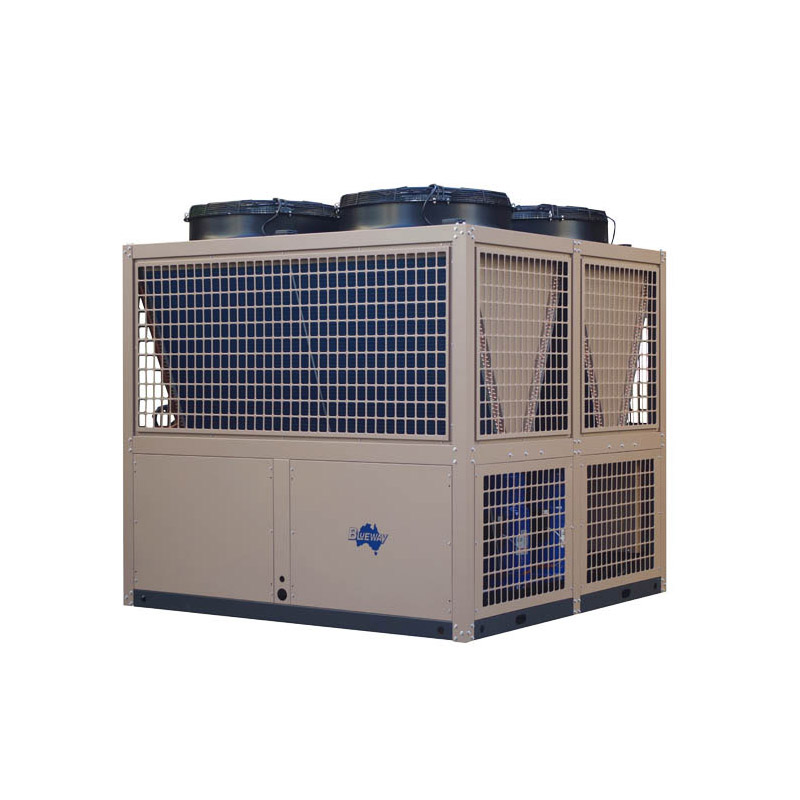
Table of Contents
- What is an Air Source Water Chiller?
- How Does It Work?
- Key Benefits for Businesses
- Installation Considerations
- Maintenance and Troubleshooting
- Frequently Asked Questions
What is an Air Source Water Chiller?
An air source water chiller is a cooling system that extracts heat from water using ambient air as the heat exchange medium. Unlike traditional water-cooled chillers that require cooling towers, air source water chillers rely on the air to dissipate heat, making them simpler to install and maintain.
These systems are widely used in:
- Industrial manufacturing plants
- Commercial office buildings
- Data centers and IT facilities
- HVAC systems in hospitals and hotels
Blueway's air source water chillers offer high efficiency, low operational costs, and a compact design suitable for urban and industrial environments.
How Does It Work?
The operation of an air source water chiller can be divided into four main stages:
- Heat Absorption: Warm water from the facility enters the chiller, passing through an evaporator where refrigerant absorbs the heat.
- Compression: The refrigerant is compressed by the compressor, increasing its temperature and pressure.
- Heat Dissipation: The high-temperature refrigerant flows through the condenser, where the heat is released into the ambient air.
- Cooling the Water: The cooled refrigerant absorbs more heat from the water, repeating the cycle.
This process ensures continuous cooling while consuming less energy compared to traditional water-cooled systems.
Key Benefits for Businesses
Investing in an air source water chiller provides multiple advantages:
| Benefit | Description |
|---|---|
| Energy Efficiency | Uses ambient air for heat dissipation, reducing electricity consumption. |
| Low Maintenance | No need for cooling towers or complex piping, simplifying upkeep. |
| Compact Design | Requires less installation space, ideal for rooftops and urban facilities. |
| Environmentally Friendly | Reduces water usage and eliminates chemical treatments for cooling towers. |
| Reliable Operation | Durable components ensure stable cooling under varying conditions. |
Installation Considerations
Proper installation is critical for maximizing efficiency and longevity:
- Location: Place the chiller in a well-ventilated area with unobstructed airflow.
- Foundation: Ensure a stable and level surface to minimize vibrations.
- Piping: Use insulated pipes to prevent heat loss and condensation.
- Electrical Supply: Match the chiller’s power requirements to your facility’s electrical system.
- Noise Considerations: Air source water chillers generate some operational noise; distance or acoustic barriers may be needed in sensitive areas.
Blueway provides detailed installation guides and support to ensure smooth deployment of your air source water chiller.
Maintenance and Troubleshooting
Regular maintenance can prevent unexpected downtime and extend the system's lifespan:
- Check refrigerant levels and top up if necessary.
- Clean the air filters and condenser coils to maintain heat exchange efficiency.
- Inspect electrical connections and safety devices.
- Monitor water quality and prevent scaling in the heat exchanger.
- Keep an eye on system pressures and temperatures to detect early signs of malfunction.
Routine inspections, typically every 3–6 months, can ensure your chiller operates at peak performance.
Frequently Asked Questions
Q1: Can an air source water chiller operate in cold climates?
A1: Yes, modern air source water chillers are designed with antifreeze systems and low-temperature operation modes to handle cold environments efficiently.
Q2: How much space does an air source water chiller require?
A2: The footprint depends on the model, but Blueway chillers are compact and modular, suitable for rooftops or mechanical rooms.
Q3: What is the typical lifespan of an air source water chiller?
A3: With proper maintenance, these chillers can last 15–20 years.
Q4: Are air source water chillers cost-effective?
A4: Yes, they reduce water and energy consumption, lowering operational costs compared to traditional water-cooled systems.
Blueway’s air source water chillers combine cutting-edge technology, energy efficiency, and reliable performance, making them an ideal choice for commercial and industrial cooling. For personalized solutions and inquiries, contact us today and experience superior cooling efficiency with Blueway.