

How Does an Air Source Ozone Generator Operate and What Are Its Key Applications?
2026-01-05
Abstract: Air Source Ozone Generators have become increasingly relevant for various industries due to their ability to produce ozone for air purification, odor removal, and sterilization. This article explores the operational principles, technical parameters, applications, maintenance guidelines, and frequently asked questions about Air Source Ozone Generators, providing a comprehensive guide for both professionals and general users.
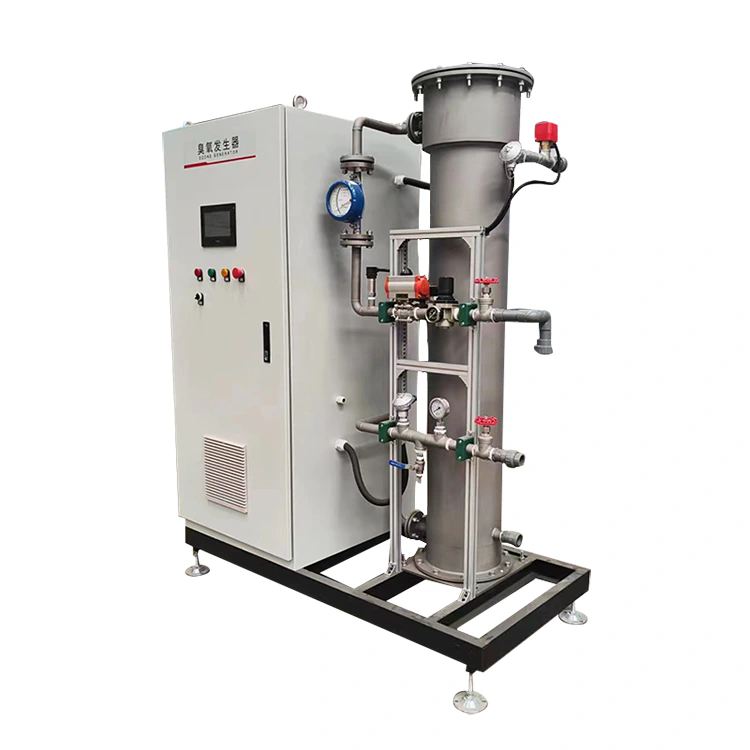
Table of Contents
- 1. Introduction to Air Source Ozone Generator
- 2. Technical Specifications
- 3. Frequently Asked Questions
- 4. Maintenance and Key Applications
- 5. Conclusion and Contact
1. Introduction to Air Source Ozone Generator
Air Source Ozone Generators are devices designed to convert oxygen from ambient air into ozone (O₃) through electrical discharge, providing a reliable source of ozone for multiple uses. These generators are widely utilized in industrial, commercial, and residential settings for purposes such as air purification, odor elimination, and microbial sterilization. The primary focus of this article is to explain how these devices function, explore their operational principles, and address common questions related to their use and maintenance.
2. Technical Specifications
The following table summarizes the key parameters of a typical Air Source Ozone Generator, demonstrating professional-level specification details for users seeking technical clarity:
| Parameter | Specification |
|---|---|
| Ozone Output | 10,000 – 50,000 mg/h |
| Power Supply | AC 220V/110V, 50/60Hz |
| Ozone Concentration | 5 – 15 g/m³ |
| Air Flow Rate | 50 – 200 L/min |
| Dimensions | 350 x 250 x 200 mm |
| Weight | 12 – 20 kg |
| Material | Stainless steel housing with ceramic ozone plates |
| Operating Temperature | 0°C – 40°C |
3. Frequently Asked Questions
Q1: How does an Air Source Ozone Generator produce ozone?
A1: The generator draws ambient air and passes it through a high-voltage discharge system, typically using a corona discharge or UV method. Oxygen molecules (O₂) are split into individual atoms and recombine with other oxygen molecules to form ozone (O₃). This process ensures a continuous ozone output that can be directed into air ducts, water treatment systems, or directly into an environment for sterilization.
Q2: How can the ozone output be controlled or adjusted?
A2: Most modern Air Source Ozone Generators feature adjustable controls that modify the voltage, frequency, or air flow rate. By increasing voltage or air flow, the ozone output rises, while reducing these parameters lowers ozone production. This allows precise calibration for different applications, ensuring safety and efficiency.
Q3: How safe is it to operate an Air Source Ozone Generator indoors?
A3: Ozone at high concentrations can be harmful to humans and animals. Indoor use requires monitoring ozone levels and ensuring proper ventilation. Generators are often equipped with timers, sensors, and remote control systems to manage ozone dispersion safely. For occupied spaces, it is recommended to operate the generator when rooms are unoccupied or to use low-concentration settings specifically designed for indoor air treatment.
4. Maintenance and Key Applications
4.1 Maintenance Guidelines
Proper maintenance ensures longevity and stable performance of Air Source Ozone Generators:
- Regularly clean ozone plates and replace worn components.
- Check and clean air filters to prevent dust accumulation.
- Inspect electrical connections and high-voltage components for wear.
- Maintain proper ambient temperature to prevent overheating.
- Follow manufacturer’s recommended service schedule for optimal performance.
4.2 Key Applications
Air Source Ozone Generators are widely applied across various sectors due to their versatility:
- Industrial air purification and odor control.
- Food processing and storage sterilization.
- Water treatment and disinfection.
- Medical facility sterilization and hygiene maintenance.
- Residential air quality improvement and mold remediation.
5. Conclusion and Contact
Air Source Ozone Generators are indispensable tools for professionals seeking reliable solutions for air purification, sterilization, and odor removal. By understanding operational principles, technical parameters, and maintenance protocols, users can maximize the generator’s efficiency and longevity. For high-quality, dependable products, Siyuan offers a range of Air Source Ozone Generators designed to meet industrial and commercial requirements.
For further inquiries or to request a customized solution, please contact us directly.