

How Does an Adsorption Air Dryer Work?
2026-05-06
Summary: Adsorption air dryers are essential for removing moisture from compressed air systems, ensuring the reliability and longevity of industrial equipment. This article explores the working principles, types, benefits, and maintenance of adsorption air dryers, addressing common customer pain points and helping you choose the right solution for your operations.
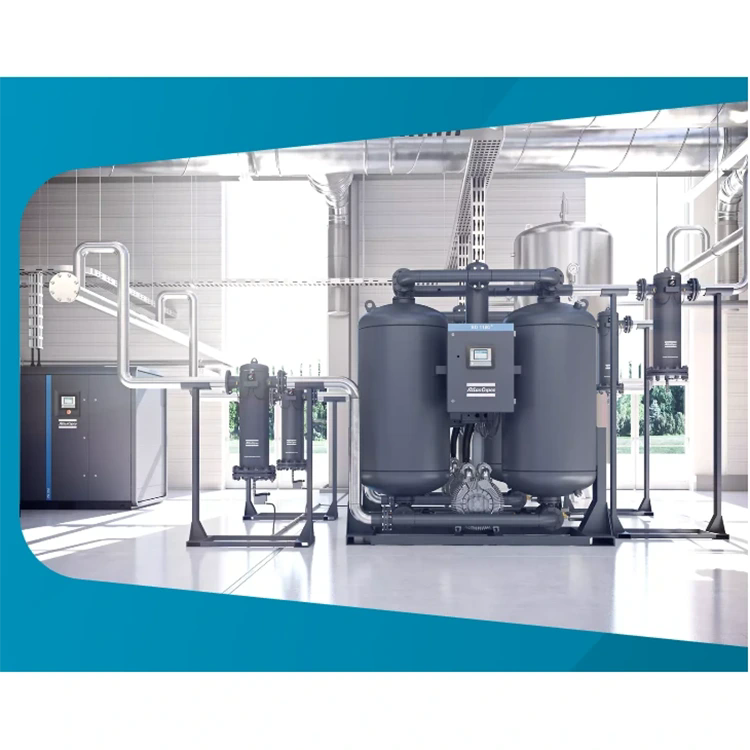
Table of Contents
- Introduction to Adsorption Air Dryers
- Working Principle of Adsorption Air Dryers
- Types of Adsorption Air Dryers
- Key Benefits for Industrial Applications
- Common Issues and Solutions
- Maintenance and Longevity Tips
- FAQ
- Conclusion
Introduction to Adsorption Air Dryers
Compressed air often contains moisture, which can cause corrosion, freeze-ups, and reduced efficiency in pneumatic systems. Adsorption air dryers are designed to remove water vapor by passing compressed air through a desiccant material. This process ensures that industrial systems operate smoothly, without downtime caused by moisture-related issues.
Dechuan Compressor (Shanghai) Co., Ltd. specializes in high-quality adsorption air dryers, engineered to meet stringent industrial standards. Understanding how these dryers work can help you select the most suitable unit for your facility.
Working Principle of Adsorption Air Dryers
Adsorption air dryers operate using the principle of adsorption, where moisture is attracted and held on the surface of a desiccant material. The most common desiccants include silica gel, activated alumina, and molecular sieves.
- Adsorption Phase: Compressed air enters the dryer and passes through the desiccant, which absorbs moisture from the air.
- Regeneration Phase: Once the desiccant becomes saturated, it is regenerated using either heat, purge air, or pressure swing techniques, allowing it to reuse the desiccant material efficiently.
The cycle repeats continuously in dual-tower systems, ensuring a constant supply of dry air.
Types of Adsorption Air Dryers
Adsorption air dryers are categorized based on the regeneration method:
| Type | Regeneration Method | Application |
|---|---|---|
| Heatless Regeneration | Purge air from the system | Small to medium industrial systems |
| Heated Regeneration | External or internal heat source | Large-scale industrial systems requiring low dew points |
| Blower Heated Regeneration | Electric heater with blower | Continuous operation with energy efficiency |
| Pressure Swing Adsorption (PSA) | Pressure reduction for regeneration | High-purity air applications |
Key Benefits for Industrial Applications
Using an adsorption air dryer offers several advantages for industrial operations:
- Protection Against Corrosion: Dry air prevents rust and damage to pipelines and equipment.
- Energy Efficiency: Reduces the risk of pressure drops and system inefficiency caused by water vapor.
- Extended Equipment Life: Moisture-free air minimizes wear and tear on pneumatic tools and machinery.
- Consistent Product Quality: Essential in processes like painting, food packaging, and pharmaceuticals where moisture can compromise quality.
Common Issues and Solutions
Even with adsorption dryers, operators may encounter problems. Here are common issues and practical solutions:
- Excessive Pressure Drop: Clean or replace clogged desiccant, ensure proper flow rate.
- Desiccant Saturation: Verify regeneration cycle, replace desiccant periodically.
- Freezing in Cold Conditions: Use preheaters or insulated piping to maintain temperature.
- Leaks in Valves or Piping: Inspect regularly and replace defective parts immediately.
Maintenance and Longevity Tips
To maximize performance and lifespan of your adsorption air dryer:
- Regularly inspect desiccant material and replace when saturated or degraded.
- Check for leaks in the system to maintain proper pressure and efficiency.
- Ensure regeneration systems are functioning correctly according to the manufacturer's instructions.
- Monitor inlet and outlet air dew points to detect performance issues early.
- Schedule preventive maintenance with qualified technicians from Dechuan Compressor (Shanghai) Co., Ltd.
FAQ
- What is the typical dew point of an adsorption air dryer?
- It depends on the model and type, but generally ranges from -40°C to -70°C for industrial applications.
- Can adsorption air dryers operate continuously?
- Yes, dual-tower systems allow continuous operation by alternating between adsorption and regeneration phases.
- How often should the desiccant be replaced?
- Depending on the usage and type, desiccant replacement is recommended every 2–5 years.
- Are adsorption air dryers energy-efficient?
- Modern adsorption dryers, especially those with heated or PSA regeneration, are designed to minimize energy consumption while maintaining performance.
Conclusion
Adsorption air dryers are crucial for maintaining the integrity of compressed air systems in industrial environments. By understanding their working principle, types, benefits, and maintenance requirements, operators can prevent costly downtime and ensure consistent production quality.
For reliable, high-performance adsorption air dryers, trust Dechuan Compressor (Shanghai) Co., Ltd.. Explore our product line at our official website and contact us to find the ideal solution for your industrial compressed air needs.