

How Does a Tubular Wirewound Resistor Improve Circuit Stability and Performance?
2026-04-27
Abstract
In modern electrical and electronic systems, precision, durability, and thermal stability are critical factors that directly influence performance and reliability. A tubular wirewound resistor stands out as a robust solution for applications requiring high power handling and consistent resistance values. This article explores how tubular wirewound resistors function, their advantages, key selection criteria, and how they address common customer pain points such as overheating, instability, and premature failure. With practical insights and structured guidance, this guide helps engineers, buyers, and technicians make informed decisions.
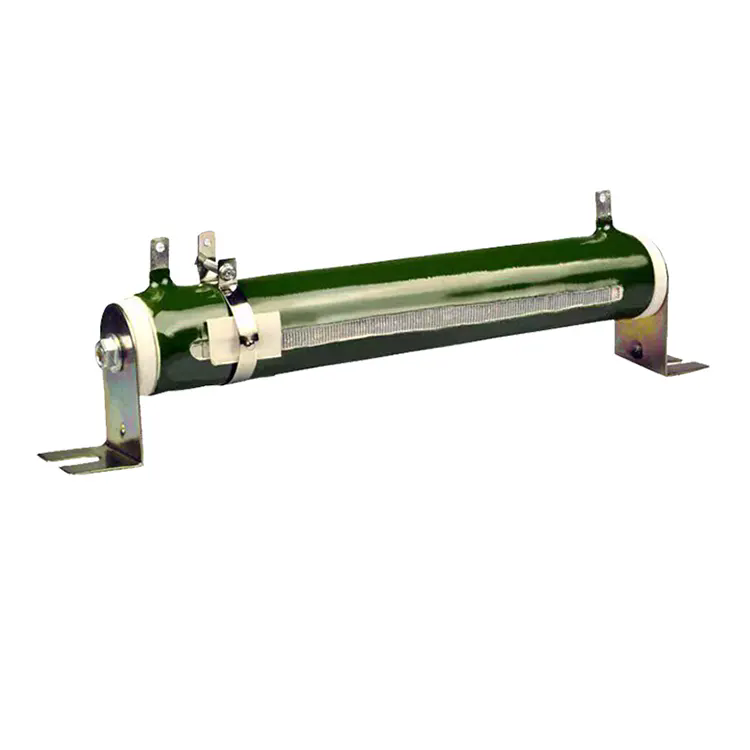
Table of Contents
- What Is a Tubular Wirewound Resistor?
- How Does It Work?
- Key Benefits and Features
- Common Customer Pain Points Solved
- How to Choose the Right Resistor
- Comparison Table
- Typical Applications
- FAQ
What Is a Tubular Wirewound Resistor?
A tubular wirewound resistor is a type of fixed resistor constructed by winding a resistive wire—typically made from alloys like nickel-chromium—around a ceramic or fiberglass tubular core. The tubular structure enhances heat dissipation and mechanical strength, making it ideal for high-power and industrial environments.
Unlike carbon or film resistors, this design allows for precise resistance values and superior load endurance. Companies like RST specialize in manufacturing high-quality tubular wirewound resistors tailored for demanding applications.
How Does It Work?
The operating principle is straightforward yet highly effective:
- Electrical current flows through the resistive wire.
- The wire resists the flow of electrons, generating heat.
- The tubular ceramic core dissipates this heat efficiently into the surrounding environment.
This structure ensures stable resistance even under fluctuating temperatures and heavy electrical loads, which is critical in maintaining circuit integrity.
Key Benefits and Features
- High Power Handling: Suitable for applications requiring significant energy dissipation.
- Thermal Stability: Maintains consistent performance under high temperatures.
- Durability: Resistant to vibration, shock, and environmental stress.
- Precision: Offers tight tolerance levels for accurate resistance.
- Long Lifespan: Reduced risk of failure compared to other resistor types.
Common Customer Pain Points Solved
1. Overheating Issues
Traditional resistors often fail due to poor heat dissipation. Tubular wirewound resistors use ceramic cores to effectively manage heat, preventing thermal runaway.
2. Inconsistent Performance
Fluctuating resistance values can disrupt sensitive circuits. The wirewound design ensures stable electrical characteristics over time.
3. Short Lifespan
Frequent replacements increase maintenance costs. With robust construction, these resistors provide extended operational life.
4. Limited Power Capacity
Many applications demand higher wattage handling. Tubular wirewound resistors are engineered for high-load scenarios without compromising safety.
How to Choose the Right Tubular Wirewound Resistor
Selecting the correct resistor involves evaluating several technical parameters:
- Resistance Value (Ohms): Match circuit requirements.
- Power Rating (Watts): Ensure it exceeds expected load.
- Tolerance: Choose tighter tolerance for precision applications.
- Temperature Coefficient: Important for stability under varying conditions.
- Mounting Type: Ensure compatibility with your system design.
For detailed product specifications, you can explore: Tubular Wirewound Resistor by RST
Comparison Table
| Feature | Tubular Wirewound | Carbon Film | Metal Film |
|---|---|---|---|
| Power Handling | High | Low | Medium |
| Precision | High | Low | High |
| Heat Dissipation | Excellent | Poor | Moderate |
| Durability | Excellent | Low | Moderate |
Typical Applications
- Industrial power supplies
- Motor control systems
- Load banks
- Automotive electronics
- Renewable energy systems
Thanks to their reliability, tubular wirewound resistors are widely used in environments where failure is not an option.
FAQ
Q1: What makes tubular wirewound resistors better than standard resistors?
They offer superior heat dissipation, higher power ratings, and longer operational life.
Q2: Can they be used in high-temperature environments?
Yes, their ceramic cores and مقاust wire materials are designed to withstand extreme temperatures.
Q3: Are they suitable for precision circuits?
Absolutely. They provide stable and accurate resistance values with minimal drift.
Q4: How do I ensure proper installation?
Follow manufacturer guidelines, ensure adequate ventilation, and avoid exceeding rated power limits.
Conclusion
Tubular wirewound resistors are a dependable solution for high-performance electrical systems. Their ability to handle high power, maintain stability, and resist environmental stress makes them indispensable in modern engineering applications. Whether you're upgrading existing systems or designing new ones, choosing the right resistor can significantly impact efficiency and longevity.
RST is committed to delivering high-quality resistor solutions tailored to your needs. If you're looking for reliable components that enhance performance and durability, contact us today to explore how we can support your next project.