

How Does a Switchgear Cabinet Improve Electrical Safety and Power Distribution?
2026-05-25
Modern industrial and commercial power systems require stable operation, reliable protection, and efficient energy distribution. A switchgear cabinet plays a critical role in controlling, protecting, and isolating electrical equipment during normal operation and fault conditions. Whether used in factories, power plants, commercial buildings, substations, or renewable energy projects, the right switchgear solution can significantly reduce downtime, improve safety, and enhance system performance.
In this article, Deyan Electric explains how switchgear cabinets work, why they are important, and how to select the right configuration for your application.
Article Summary
This guide explores the working principles, advantages, applications, and selection factors of switchgear cabinets. It also addresses common customer concerns such as electrical safety, maintenance costs, operational reliability, and installation environments. By understanding different cabinet types and their functions, businesses can make smarter decisions for long-term electrical system protection.
Table of Contents
- What Is a Switchgear Cabinet?
- How Does a Switchgear Cabinet Work?
- Main Components Inside a Switchgear Cabinet
- Types of Switchgear Cabinets
- Key Benefits of Using Switchgear Cabinets
- Common Applications
- How to Choose the Right Switchgear Cabinet
- Maintenance Best Practices
- Switchgear Cabinet Comparison Table
- Frequently Asked Questions
- Conclusion
What Is a Switchgear Cabinet?
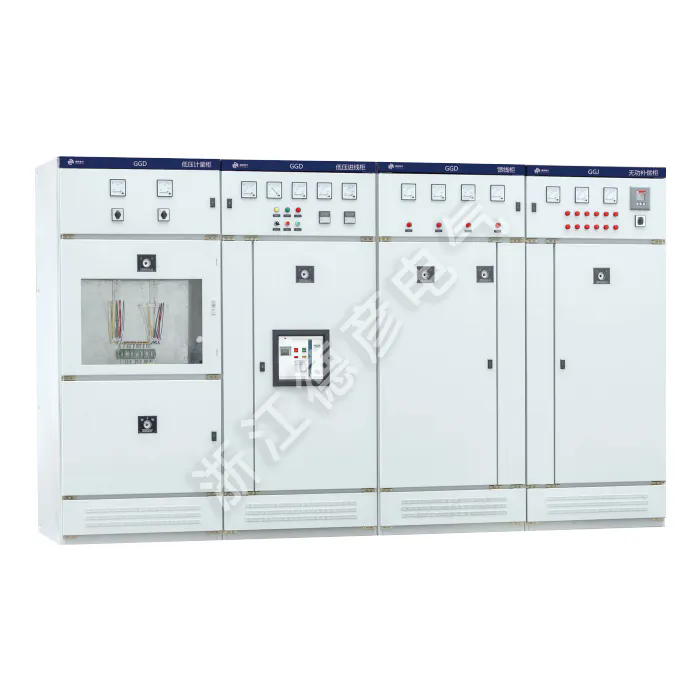
A switchgear cabinet is an electrical distribution enclosure designed to manage, protect, and isolate electrical circuits and equipment. It contains various protective devices such as circuit breakers, disconnect switches, relays, fuses, busbars, and monitoring systems.
The primary purpose of switchgear is to ensure safe power distribution while protecting electrical systems from overloads, short circuits, insulation failures, and operational faults.
Switchgear cabinets are commonly installed in:
- Industrial manufacturing plants
- Commercial buildings
- Data centers
- Power substations
- Renewable energy systems
- Oil and gas facilities
- Mining operations
- Infrastructure projects
Businesses often rely on professionally engineered products like those offered by Deyan Electric to improve operational stability and reduce electrical risks.
Product page: https://www.deyanele.com/switchgear-cabinet.html
How Does a Switchgear Cabinet Work?
A switchgear cabinet continuously monitors electrical current flow throughout the power distribution system. When abnormal conditions occur, the protective devices inside the cabinet automatically disconnect faulty sections to prevent equipment damage or electrical hazards.
The working process generally includes:
- Receiving incoming electrical power
- Distributing electricity to multiple circuits
- Monitoring voltage and current conditions
- Detecting overloads or short circuits
- Automatically isolating faulty circuits
- Protecting connected equipment and operators
Modern switchgear systems may also include digital monitoring, remote communication, and intelligent control systems for real-time diagnostics and automation.
Main Components Inside a Switchgear Cabinet
Understanding the internal structure of a switchgear cabinet helps customers evaluate system quality and operational performance.
| Component | Function |
|---|---|
| Circuit Breaker | Interrupts electrical flow during faults |
| Busbar | Distributes electrical power within the cabinet |
| Protection Relay | Detects abnormal electrical conditions |
| Disconnect Switch | Provides safe equipment isolation |
| Current Transformer | Measures electrical current for monitoring |
| Voltage Transformer | Measures voltage levels |
| Control Panel | Allows system operation and monitoring |
| Protection Enclosure | Prevents environmental and accidental damage |
Types of Switchgear Cabinets
Different industries require different switchgear configurations depending on voltage levels, environmental conditions, and operational requirements.
Low Voltage Switchgear
Low voltage switchgear typically operates below 1000V and is widely used in commercial buildings and industrial facilities. It provides reliable protection for motors, lighting systems, HVAC equipment, and production lines.
Medium Voltage Switchgear
Medium voltage switchgear is commonly used in substations, utilities, and heavy industrial operations. These systems manage higher electrical loads while ensuring operational continuity and fault protection.
Gas-Insulated Switchgear
Gas-insulated switchgear uses insulating gas to achieve compact design and high reliability. It is ideal for installations where space is limited or environmental conditions are challenging.
Metal-Clad Switchgear
Metal-clad switchgear provides enhanced safety through compartmentalized construction. Each major component is isolated, minimizing fault propagation and improving maintenance safety.
Key Benefits of Using Switchgear Cabinets
Many customers invest in switchgear cabinets to solve operational challenges related to power interruptions, equipment damage, and safety risks.
-
Improved Electrical Safety
Automatic fault isolation protects personnel and equipment from dangerous electrical incidents. -
Reduced Downtime
Fast fault detection minimizes operational interruptions and production losses. -
Reliable Power Distribution
Stable electrical distribution improves overall system efficiency and equipment performance. -
Easy Maintenance
Modern cabinet designs simplify inspection, repair, and component replacement. -
Long Equipment Lifespan
Proper protection reduces stress on connected electrical equipment. -
Scalability
Modular cabinet designs allow future system expansion as business demands grow.
Common Applications
Switchgear cabinets are essential across multiple industries due to their flexibility and reliability.
| Industry | Typical Application |
|---|---|
| Manufacturing | Motor control and production line protection |
| Renewable Energy | Solar and wind power distribution |
| Data Centers | Critical backup power management |
| Utilities | Substation power distribution |
| Commercial Buildings | Building electrical infrastructure |
| Oil and Gas | Hazardous environment power protection |
How to Choose the Right Switchgear Cabinet
Choosing the correct switchgear cabinet requires careful evaluation of several technical and operational factors.
Voltage Rating
Ensure the cabinet is compatible with the system voltage requirements. Incorrect voltage selection can lead to severe operational failures.
Current Capacity
The switchgear must safely handle the expected load current while allowing room for future expansion.
Environmental Conditions
Consider dust, humidity, temperature, vibration, and corrosive conditions when selecting enclosure protection levels.
Safety Standards
Verify compliance with international standards and testing certifications for operational reliability and personnel safety.
Maintenance Accessibility
Cabinets with user-friendly layouts reduce maintenance time and improve operational efficiency.
Manufacturer Experience
Partnering with experienced manufacturers like Deyan Electric ensures better engineering support, product customization, and long-term reliability.
Maintenance Best Practices
Proper maintenance is essential for maximizing switchgear cabinet lifespan and maintaining safe operation.
- Perform regular thermal inspections
- Check insulation resistance periodically
- Inspect circuit breakers for wear
- Clean dust and contaminants from enclosures
- Verify relay calibration settings
- Monitor abnormal vibration or overheating
- Maintain proper grounding systems
Preventive maintenance significantly reduces unexpected failures and operational downtime.
Switchgear Cabinet Comparison Table
| Feature | Low Voltage | Medium Voltage | Gas-Insulated |
|---|---|---|---|
| Voltage Range | Below 1000V | 1kV–36kV | Medium to High |
| Installation Space | Moderate | Larger | Compact |
| Maintenance Frequency | Low | Moderate | Very Low |
| Safety Level | High | Very High | Excellent |
| Typical Applications | Buildings and factories | Utilities and heavy industry | Urban substations |
Frequently Asked Questions
What is the main purpose of a switchgear cabinet?
The primary purpose is to protect electrical systems by controlling, isolating, and interrupting electrical power during fault conditions.
How long does a switchgear cabinet last?
With proper maintenance, high-quality switchgear cabinets can operate reliably for 20 to 40 years.
Can switchgear cabinets be customized?
Yes. Many manufacturers, including Deyan Electric, provide customized configurations based on voltage level, environmental conditions, and operational requirements.
Why is regular maintenance important?
Maintenance helps identify potential failures early, improves operational safety, and extends equipment lifespan.
What industries use switchgear cabinets the most?
Manufacturing, utilities, renewable energy, oil and gas, mining, transportation, and commercial infrastructure all heavily depend on switchgear systems.
Conclusion
A switchgear cabinet is one of the most important components in modern electrical infrastructure. It provides reliable protection, stable power distribution, operational safety, and efficient fault management across a wide range of industries.
Choosing the right switchgear solution can reduce maintenance costs, prevent downtime, and improve the long-term reliability of your electrical system. From low voltage systems to advanced medium voltage applications, professionally engineered cabinets deliver the performance businesses require in demanding environments.
Deyan Electric provides dependable switchgear cabinet solutions designed for industrial, commercial, and utility applications worldwide. If you are looking for high-performance electrical distribution equipment with professional technical support and customized solutions, contact us today to discuss your project requirements and receive expert assistance.