

How Does a Screw Blower Improve Industrial Air Systems and Efficiency?
2025-11-17
Screw blowers have become a cornerstone in modern industrial air handling systems due to their reliability, efficiency, and adaptability across various applications. These machines operate using twin rotors that compress air in a continuous, smooth flow, offering a quieter and more energy-efficient alternative to traditional rotary blowers. The central purpose of this article is to provide an in-depth understanding of screw blowers, detailing their advantages, key functions, technical specifications, and emerging trends in the industry. By understanding how screw blowers operate and why they are favored in industrial processes, businesses can make informed decisions when upgrading or designing air systems.
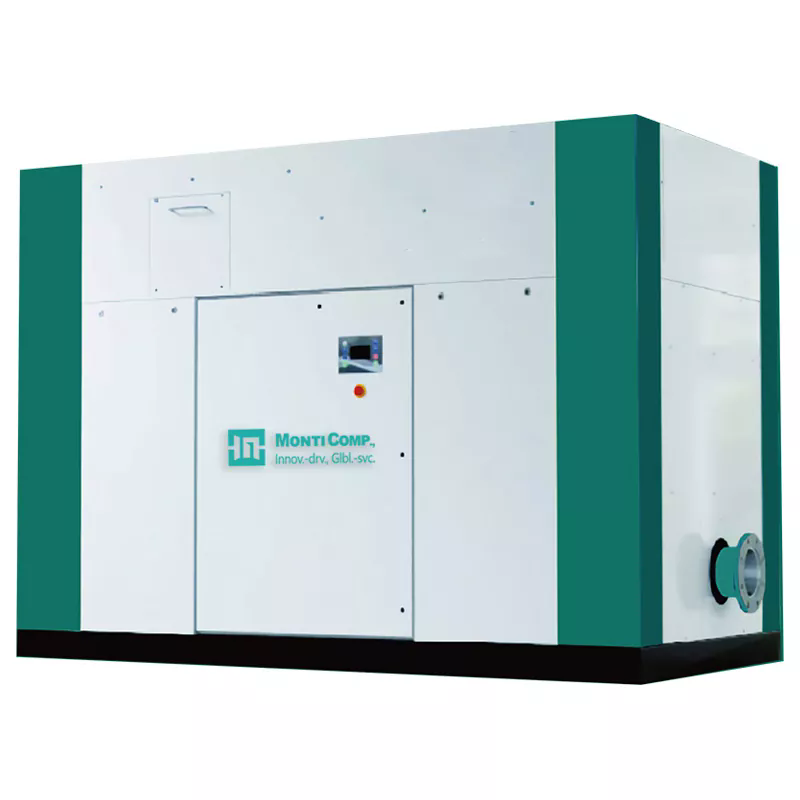
What Are the Key Advantages of Using a Screw Blower in Industrial Settings?
Screw blowers are engineered to deliver superior performance in air compression and gas conveying, making them suitable for sectors such as wastewater treatment, chemical processing, and pneumatic conveying systems. Unlike conventional blowers, screw blowers maintain a steady flow of air, minimizing pulsation and vibration, which significantly reduces wear and tear on connected systems.
Primary Advantages Include:
-
High Energy Efficiency: Screw blowers consume less power per unit of air delivered due to the continuous compression process.
-
Low Noise Operation: The enclosed rotor design reduces sound levels, creating a quieter working environment.
-
Durability and Reliability: Precision-engineered rotors minimize mechanical stress, leading to longer operational life and lower maintenance costs.
-
Stable Pressure and Flow: Consistent airflow reduces the risk of system pressure fluctuations, improving process stability.
-
Flexible Installation: Compact design allows installation in constrained spaces without significant structural modifications.
Screw Blower Technical Parameters
To ensure optimal selection and integration into industrial systems, the following table summarizes key technical specifications of a standard screw blower:
| Parameter | Specification |
|---|---|
| Airflow Capacity | 500–10,000 m³/h |
| Operating Pressure | 0.5–1.5 bar |
| Motor Power | 15–200 kW |
| Noise Level | ≤78 dB |
| Operating Temperature | -10°C to 50°C |
| Drive Type | Direct or Belt Driven |
| Rotor Material | Alloy Steel / Heat-Treated Steel |
| Bearing Life | ≥40,000 hours |
| Cooling Method | Air-cooled or Water-cooled |
These parameters highlight the versatility of screw blowers, enabling customization for specific industrial processes while maintaining energy efficiency and reliability.
Why Are Screw Blowers Preferred Over Traditional Blowers?
Screw blowers offer several operational advantages over other air compression systems such as roots or centrifugal blowers. The core difference lies in their positive displacement design, which ensures continuous airflow without pulsation.
Key Operational Advantages:
-
Energy Savings: Traditional blowers often experience energy losses due to pulsating air and mechanical inefficiencies. Screw blowers optimize energy use by providing a smooth compression cycle, reducing operational costs over time.
-
Minimal Maintenance: Enclosed rotor designs protect against contamination and wear, reducing the frequency of maintenance interventions and extending machine lifespan.
-
Precision Performance: Applications requiring precise airflow, such as bioreactors or filtration systems, benefit from the steady output of screw blowers.
-
Environmental Compliance: Reduced energy consumption and lower noise output contribute to compliance with modern environmental regulations, supporting sustainable operations.
Screw blowers are particularly advantageous in industries where continuous and stable airflow is critical. For instance, in wastewater treatment, consistent oxygen supply is essential for biological processes, making screw blowers the optimal choice. Similarly, chemical processing facilities rely on steady pressure to ensure safety and efficiency in pneumatic transfer lines.
How Are Screw Blowers Shaping the Future of Industrial Air Systems?
With global emphasis on energy efficiency, sustainability, and automation, screw blowers are increasingly integrated with advanced control systems to optimize performance.
Emerging Trends Include:
-
Smart Monitoring and IoT Integration: Modern screw blowers are equipped with sensors to track operating conditions, allowing predictive maintenance and remote control to prevent downtime.
-
Variable Frequency Drives (VFDs): VFDs adjust rotor speed in real-time based on demand, enhancing energy efficiency and reducing mechanical stress.
-
Compact and Modular Designs: The latest blowers feature modular components for easy replacement, reducing installation time and operational disruption.
-
Eco-Friendly Materials and Coatings: Advanced rotor coatings minimize friction and corrosion, extending lifespan and reducing environmental impact.
The evolution of screw blower technology continues to focus on sustainability and operational intelligence. Manufacturers are increasingly adopting low-energy designs and predictive maintenance features, ensuring that industries can meet future demands for cost-effective, environmentally friendly air systems.
Common Questions About Screw Blowers
Q1: How can screw blowers improve energy efficiency in industrial operations?
A1: Screw blowers deliver continuous airflow without pulsation, minimizing mechanical losses and optimizing power consumption. When equipped with variable frequency drives, they adjust rotor speed according to real-time demand, further reducing energy usage. Their high-efficiency design ensures more air per unit of electricity compared to conventional blowers.
Q2: What maintenance practices are recommended to extend the lifespan of a screw blower?
A2: Regular inspection of rotors, bearings, and seals is essential. Lubrication should follow manufacturer guidelines, and filters should be cleaned or replaced periodically. Monitoring operating temperature, pressure, and vibration levels can help detect early signs of wear, preventing unexpected breakdowns and maintaining optimal performance.
Screw blowers represent a vital component in modern industrial air handling systems, offering unparalleled efficiency, durability, and operational stability. Their ability to maintain steady airflow, reduce noise, and save energy makes them ideal for applications across wastewater treatment, chemical processing, and pneumatic transport. As technology advances, the integration of smart monitoring systems and variable speed drives will further enhance their performance and adaptability.
For industries looking to upgrade or optimize their air systems, the Dream brand provides high-quality screw blowers engineered for long-term reliability and efficiency. For more information on customized solutions, product specifications, or maintenance support, please contact us.