

How Does a PV Inverter Enhance Solar Energy Efficiency and Reliability?
2025-11-07
A PV inverter is a core component in solar energy systems, transforming direct current (DC) generated by solar panels into alternating current (AC) suitable for home, commercial, or industrial use. PV inverters not only enable energy conversion but also optimize energy management, system monitoring, and grid compatibility. Modern solar systems rely heavily on these devices to maximize efficiency, ensure safety, and extend the lifespan of the entire installation.
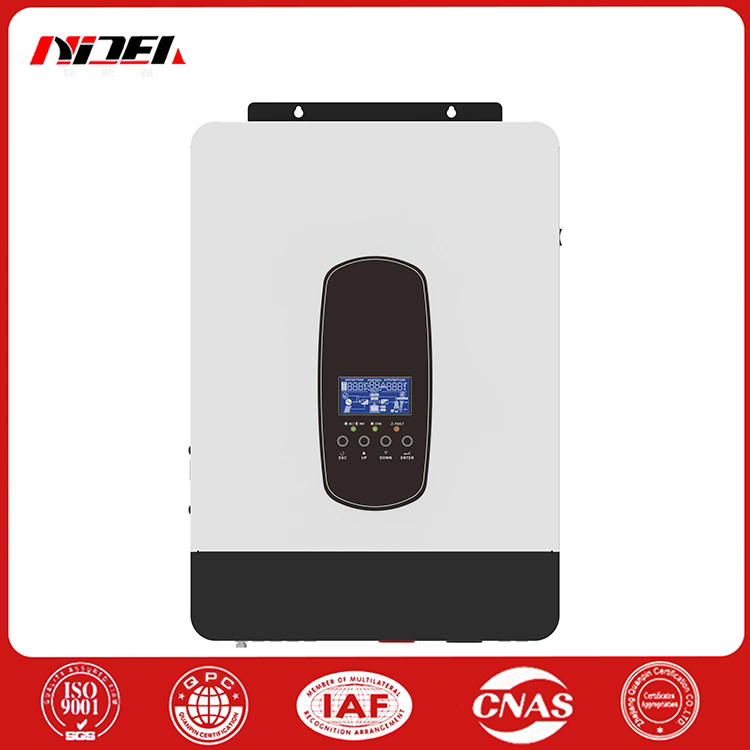
What Are the Core Advantages of PV Inverters?
Maximizing Energy Conversion Efficiency
PV inverters are designed to extract the highest possible energy from solar panels through Maximum Power Point Tracking (MPPT). MPPT continuously monitors the voltage and current from the PV array to ensure peak energy output under varying sunlight conditions. Advanced inverters can achieve conversion efficiencies above 98%, significantly improving overall solar system performance.
Enhancing Grid Integration and Stability
Grid-tied PV inverters provide synchronization with utility grids, ensuring stable voltage and frequency. This prevents energy losses, voltage fluctuations, and potential power outages. Many inverters also feature anti-islanding protection, which automatically disconnects the system during grid failures to maintain safety.
Supporting System Monitoring and Smart Management
Modern PV inverters integrate smart monitoring features, enabling real-time data tracking via cloud platforms or local displays. Users can monitor energy production, consumption, and system health remotely. Some high-end models support predictive maintenance and automated alerts, reducing downtime and repair costs.
Increasing System Reliability and Lifespan
Quality inverters regulate voltage and current to prevent stress on PV modules and downstream electrical equipment. Efficient thermal management, protective circuitry, and surge handling extend the operational lifespan of both inverters and solar panels.
Key Product Parameters of PV Inverters:
| Parameter | Specification Example |
|---|---|
| Input Voltage Range | 200–1000 V DC |
| Maximum Efficiency | 98.6% |
| Output Voltage | 220/230/240 V AC (single/three-phase) |
| Maximum Output Power | 5–50 kW |
| MPPT Channels | 2–4 |
| Operating Temperature | -25°C to 60°C |
| Communication Interfaces | RS485, Wi-Fi, Ethernet |
| Protection Features | Overvoltage, Overcurrent, Short-circuit, Anti-islanding |
| Cooling Type | Forced air or natural convection |
| Warranty | 5–10 years |
How Do PV Inverters Function and Why Are They Essential?
How Do PV Inverters Convert Energy?
The PV inverter converts DC electricity generated by solar panels into AC electricity that meets grid standards. The process involves three main stages:
-
DC Conditioning: Filters and regulates voltage fluctuations from solar panels.
-
Inversion: Uses power electronic switches to transform DC into AC with the correct frequency and voltage.
-
Synchronization: Aligns AC output with grid voltage and phase, ensuring smooth power delivery.
Why is Maximum Power Point Tracking Important?
Solar panels exhibit non-linear power-voltage characteristics that change with sunlight and temperature. MPPT algorithms identify the optimal operating point where the panel produces maximum energy. Without MPPT, energy output may drop significantly, especially during partial shading or varying weather conditions.
How Do PV Inverters Protect Systems?
Inverters integrate multiple protective mechanisms:
-
Overcurrent Protection: Prevents damage from excessive current flows.
-
Overvoltage Protection: Safeguards modules and connected devices from voltage spikes.
-
Short-Circuit Protection: Automatically interrupts the system to avoid fire hazards.
-
Thermal Management: Maintains internal temperature within safe limits to avoid component failure.
These functions are essential to ensure safe, uninterrupted energy supply and long-term reliability.
How Do PV Inverters Support Energy Management?
Advanced inverters allow for intelligent energy distribution, including:
-
Prioritizing self-consumption in homes or commercial setups.
-
Exporting surplus energy to the grid.
-
Coordinating with battery storage systems for load shifting and peak shaving.
Smart integration enables both cost savings and more sustainable energy usage.
What Are the Emerging Trends in PV Inverter Technology?
Increasing Efficiency and Compact Design
Next-generation inverters focus on improving power density and energy efficiency while reducing physical footprint. Innovations in semiconductor technology, such as SiC (silicon carbide) and GaN (gallium nitride) components, enable higher switching frequencies, lower losses, and smaller cooling requirements.
Hybrid and Multi-Functional Inverters
Hybrid inverters combine solar, battery, and grid management in a single device. They allow seamless energy storage integration, backup power capabilities, and intelligent load balancing. Such inverters are particularly relevant for residential and commercial users seeking energy independence and resilience.
Enhanced Monitoring and AI-Assisted Predictive Maintenance
Cloud-connected inverters now provide detailed analytics, fault prediction, and performance optimization. Although the technology itself is embedded in hardware and software design, predictive maintenance ensures minimal downtime and operational cost reduction, making solar installations more reliable.
Integration with Smart Grids and Renewable Energy Systems
PV inverters are increasingly designed for compatibility with smart grids, demand-response systems, and multi-source renewable energy setups. They can coordinate with wind, hydro, or energy storage units, enabling a balanced and sustainable energy ecosystem.
Common Questions About PV Inverters
Q1: What size PV inverter is required for a 10 kW solar system?
A1: The PV inverter size should match or slightly exceed the peak output of the solar array. For a 10 kW system, an inverter rated between 10–11 kW is recommended. Oversizing slightly allows for efficiency losses and ensures optimal performance under varying conditions.
Q2: How often should PV inverters be maintained?
A2: Routine maintenance is typically recommended every 12–24 months. Maintenance includes visual inspections, cleaning, checking electrical connections, firmware updates, and testing protective features. Regular servicing prolongs the inverter’s lifespan and ensures continuous high-efficiency operation.
Why Choose High-Quality PV Inverters?
Investing in a reliable PV inverter ensures optimal energy conversion, long-term system stability, and advanced monitoring capabilities. High-performance inverters enhance the value of solar installations and contribute to a more sustainable energy future. With ongoing innovation in efficiency, smart integration, and hybrid functionalities, PV inverters are evolving to meet growing energy demands.
For trusted and high-quality solutions, the New Idea brand provides advanced PV inverters designed for durability, efficiency, and seamless system integration. For further details on selecting the right inverter for your needs or to request a quote, contact us today