

How Does a Heat Pump Water Heater Improve Energy Efficiency and Lower Utility Costs?
2026-05-26
Modern homeowners and commercial property managers are searching for smarter ways to reduce electricity consumption without sacrificing hot water comfort. A Heat Pump Water Heater has become one of the most practical solutions because it transfers heat instead of generating it directly like conventional electric heaters. This technology significantly lowers energy usage, reduces operating expenses, and provides reliable hot water for residential and commercial applications.
In this article, we will explain how a Heat Pump Water Heater works, why it is more efficient than traditional systems, common installation concerns, maintenance tips, and how trusted manufacturers like Blueway help customers achieve long-term performance and sustainability goals.
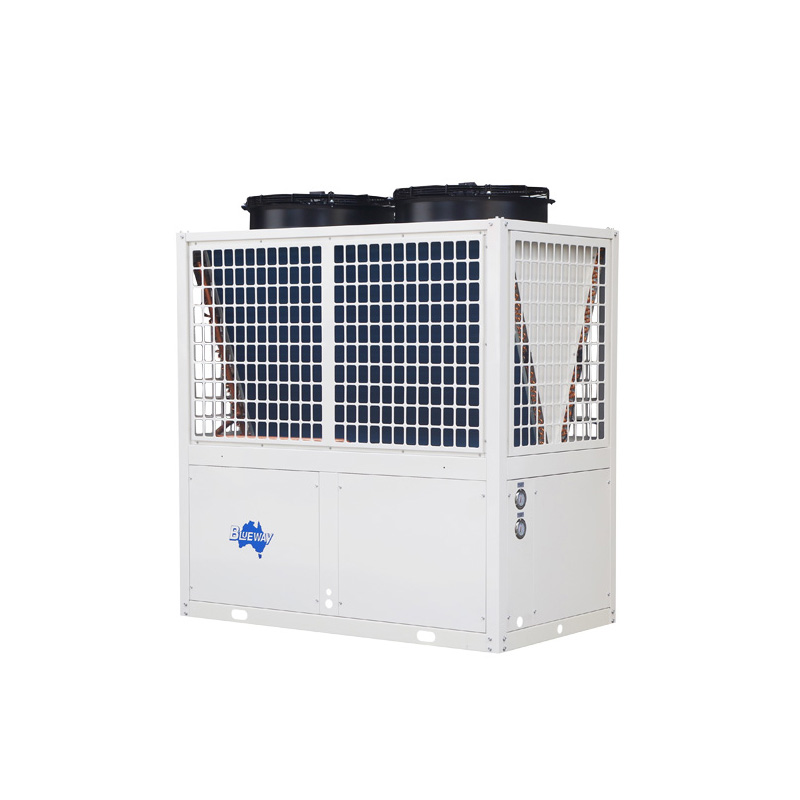
Table of Contents
- What Is a Heat Pump Water Heater?
- How Does a Heat Pump Water Heater Work?
- Main Components of the System
- Why Heat Pump Water Heaters Are More Efficient
- Comparison Between Traditional and Heat Pump Water Heaters
- Key Benefits for Homeowners and Businesses
- Common Installation Challenges and Solutions
- Maintenance Tips for Long-Term Performance
- Applications Across Different Industries
- How to Choose the Right Heat Pump Water Heater
- Frequently Asked Questions
- Conclusion
What Is a Heat Pump Water Heater?
A Heat Pump Water Heater is an advanced hot water system that uses ambient air to heat water instead of relying entirely on electric resistance heating. Rather than creating heat directly, the system moves existing heat from the surrounding air into the water tank through a refrigeration cycle.
This process allows the unit to consume far less electricity while still delivering a stable supply of hot water. Because of its high efficiency and environmental advantages, the technology is increasingly used in homes, apartments, hotels, schools, hospitals, and industrial facilities.

How Does a Heat Pump Water Heater Work?
The operating principle of a Heat Pump Water Heater is similar to an air conditioner operating in reverse. Instead of removing heat from indoor air, the system captures heat energy from the surrounding environment and transfers it into water.
- Ambient air is drawn into the system by a fan.
- The evaporator absorbs heat from the air.
- The refrigerant carries the absorbed heat to the compressor.
- The compressor increases the temperature of the refrigerant.
- The condenser transfers heat into the water tank.
- The cycle repeats until the desired water temperature is reached.
Because the system moves heat rather than generating it directly, it can produce several units of heat energy for every unit of electricity consumed.
Main Components of the System
| Component | Function |
|---|---|
| Evaporator | Absorbs heat from ambient air |
| Compressor | Raises refrigerant pressure and temperature |
| Condenser | Transfers heat into the water |
| Expansion Valve | Controls refrigerant flow and pressure |
| Water Tank | Stores heated water for daily use |
| Fan System | Circulates air through the evaporator |
Why Heat Pump Water Heaters Are More Efficient
Traditional electric water heaters generate heat through electric resistance elements, which consume substantial amounts of power. In contrast, Heat Pump Water Heaters transfer heat from the environment, making them much more energy-efficient.
Many systems can achieve efficiency levels three to four times higher than standard electric heaters. This directly translates into lower monthly electricity bills and reduced carbon emissions.
Several factors contribute to this efficiency:
- Low electricity consumption
- Advanced compressor technology
- Intelligent temperature control systems
- High-efficiency refrigerants
- Optimized heat exchange design
Blueway develops advanced Heat Pump Water Heater solutions engineered for stable operation, energy savings, and reliable performance in different climate conditions.
Comparison Between Traditional and Heat Pump Water Heaters
| Feature | Traditional Electric Heater | Heat Pump Water Heater |
|---|---|---|
| Energy Consumption | High | Low |
| Operating Cost | Expensive | Cost-efficient |
| Environmental Impact | Higher emissions | Reduced emissions |
| Heating Method | Electric resistance | Heat transfer technology |
| Service Life | Moderate | Long-lasting |
| Suitable Applications | Basic residential use | Residential and commercial use |
Key Benefits for Homeowners and Businesses
One of the biggest concerns for property owners is the rising cost of utilities. Heat Pump Water Heaters provide a practical way to reduce operating expenses while maintaining comfort and convenience.
- Lower Energy Bills: Reduced electricity consumption helps cut long-term utility costs.
- Eco-Friendly Performance: Lower energy demand means fewer greenhouse gas emissions.
- Consistent Hot Water Supply: Modern systems provide stable temperatures even during high-demand periods.
- Quiet Operation: Advanced compressor and fan designs minimize operating noise.
- Long Service Life: High-quality systems are designed for durable performance over many years.
- Smart Control Features: Many units include digital controls, programmable settings, and remote monitoring.
For hotels, apartment buildings, gyms, and industrial facilities, these advantages can lead to substantial annual savings.
Common Installation Challenges and Solutions
Customers often worry about whether a Heat Pump Water Heater is difficult to install. In reality, most installation concerns can be solved with proper planning and professional support.
| Challenge | Recommended Solution |
|---|---|
| Limited installation space | Choose compact or split-system models |
| Cold climate operation | Use low-temperature heat pump technology |
| Noise concerns | Install in ventilated utility areas |
| High hot water demand | Select larger-capacity systems |
| Old plumbing systems | Upgrade piping and insulation |
Experienced manufacturers like Blueway provide technical guidance to help customers choose suitable models based on climate, building size, and daily hot water demand.
Maintenance Tips for Long-Term Performance
Proper maintenance helps maximize efficiency and extend equipment lifespan. Fortunately, Heat Pump Water Heaters typically require less maintenance than many conventional systems.
- Clean air filters regularly
- Inspect refrigerant lines periodically
- Check water tank condition annually
- Ensure proper airflow around the unit
- Monitor operating temperature settings
- Schedule professional servicing when necessary
Preventive maintenance not only improves efficiency but also reduces the risk of unexpected downtime and costly repairs.
Applications Across Different Industries
Heat Pump Water Heaters are highly versatile and suitable for a wide range of applications.
| Industry | Application |
|---|---|
| Residential Buildings | Daily household hot water supply |
| Hotels | Guest room and laundry hot water |
| Hospitals | Sanitary and cleaning operations |
| Factories | Industrial cleaning and processing |
| Schools | Dormitory and cafeteria hot water |
| Fitness Centers | Shower and sanitation systems |
As energy costs continue to rise globally, more industries are transitioning toward high-efficiency heating technologies to improve operational sustainability.
How to Choose the Right Heat Pump Water Heater
Selecting the correct system depends on several important factors.
- Evaluate daily hot water consumption
- Consider local climate conditions
- Check available installation space
- Review energy efficiency ratings
- Choose reliable manufacturers
- Confirm after-sales technical support
Blueway offers a variety of Heat Pump Water Heater models designed for both residential and commercial projects, helping customers find solutions that balance efficiency, reliability, and long-term value.
Frequently Asked Questions
Are Heat Pump Water Heaters suitable for cold climates?
Yes. Modern low-temperature heat pump systems are specifically designed to operate efficiently even in colder regions.
How much electricity can be saved?
Depending on usage conditions, energy savings can reach 60% to 75% compared with traditional electric water heaters.
Do Heat Pump Water Heaters require complicated maintenance?
No. Routine cleaning and periodic inspections are generally sufficient for maintaining good performance.
Can these systems be used in commercial projects?
Absolutely. Heat Pump Water Heaters are widely used in hotels, schools, hospitals, factories, and apartment complexes.
How long does a Heat Pump Water Heater typically last?
With proper maintenance, many systems can operate efficiently for more than 10 to 15 years.
Conclusion
A Heat Pump Water Heater is one of the most efficient and environmentally responsible solutions for modern hot water production. By transferring heat from the air instead of generating it directly, these systems significantly reduce energy consumption and operating costs while providing reliable performance for residential and commercial applications.
Whether you are upgrading a home system, improving hotel operations, or reducing industrial energy expenses, choosing a high-quality solution from an experienced manufacturer is essential.
Blueway provides professional Heat Pump Water Heater solutions designed for durability, efficiency, and long-term value. If you are looking for a reliable hot water system tailored to your project requirements, contact us today to learn how Blueway can help you achieve smarter energy savings and dependable hot water performance.