

How Does a Dry-type Transformer Work?
2026-03-10
Summary: Dry-type transformers are widely used in industrial, commercial, and renewable energy applications due to their safety, reliability, and environmental benefits. This article explores the working principle, advantages, applications, maintenance tips, and specifications of dry-type transformers, helping you make informed decisions for your electrical projects.
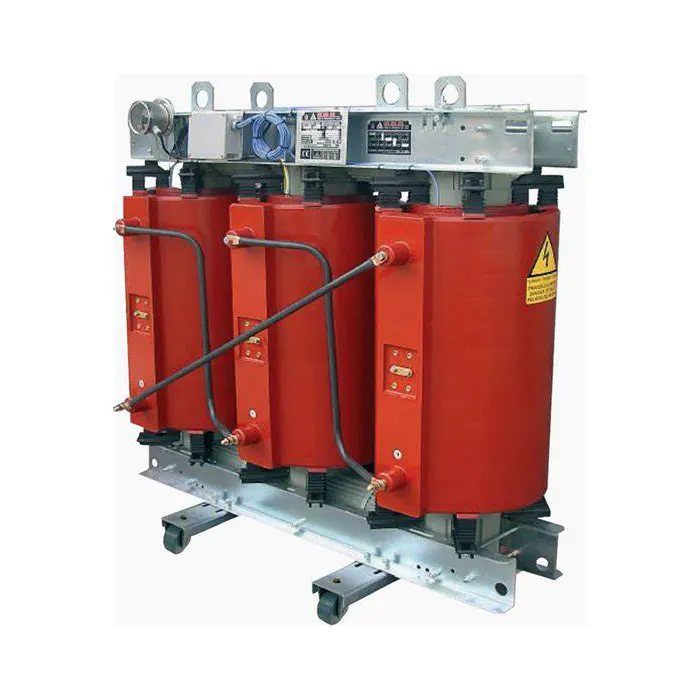
Table of Contents
1. Working Principle of Dry-type Transformers
Dry-type transformers operate without liquid insulation, using air or epoxy resin to insulate the windings. The transformer converts electrical energy between different voltage levels using electromagnetic induction. When alternating current (AC) flows through the primary winding, it generates a magnetic field in the core. This magnetic flux induces a voltage in the secondary winding according to the turns ratio, enabling voltage step-up or step-down.
The absence of oil reduces fire hazards and environmental risks, making dry-type transformers suitable for indoor installations and high-traffic areas. Key components include:
- Core: Laminated steel sheets to minimize energy loss.
- Primary and Secondary Windings: Copper or aluminum conductors insulated with epoxy or other materials.
- Cooling System: Natural air cooling (AN) or forced air cooling (AF) designs.
2. Advantages of Dry-type Transformers
Dry-type transformers provide several benefits compared to oil-filled transformers, including:
- Safety: Reduced fire risk due to absence of flammable liquid.
- Environmental Protection: No risk of oil leaks, making them eco-friendly.
- Low Maintenance: Minimal maintenance requirements, ideal for urban environments.
- Long Lifespan: High-quality epoxy resin and insulation enhance durability.
- Quiet Operation: Ideal for commercial buildings and sensitive environments.
3. Common Applications
Dry-type transformers are versatile and used in various industries, such as:
- Commercial buildings, shopping malls, and airports
- Industrial plants and manufacturing facilities
- Renewable energy systems, including solar and wind farms
- Hospitals, schools, and residential complexes
- Data centers and critical infrastructure requiring reliable power
4. Types of Dry-type Transformers
Dry-type transformers are classified based on insulation materials and construction methods:
| Type | Description | Typical Use |
|---|---|---|
| Air-cooled (AN/AF) | Uses natural or forced air for cooling, ideal for medium power levels. | Commercial and industrial installations |
| Cast resin | Windings are encapsulated in epoxy resin, providing excellent insulation and moisture protection. | Indoor environments and high-humidity areas |
| Vacuum pressure impregnated (VPI) | Enhanced insulation through vacuum impregnation, suitable for high reliability applications. | Critical power systems and large-scale industrial plants |
5. Installation and Maintenance Tips
Proper installation and maintenance ensure optimal performance and lifespan:
- Ensure a stable, ventilated, and dust-free environment.
- Maintain sufficient clearance around the transformer for airflow.
- Perform routine inspection for insulation wear, dust accumulation, and temperature anomalies.
- Check connections periodically to avoid loose terminals and overheating.
- Document all maintenance activities to track performance over time.
6. Product Specifications from DAYA
DAYA offers a wide range of dry-type transformers with the following typical specifications:
| Parameter | Specification |
|---|---|
| Voltage Rating | 0.4 kV – 35 kV |
| Power Range | 10 kVA – 5000 kVA |
| Cooling Type | AN / AF / Cast Resin / VPI |
| Frequency | 50 Hz / 60 Hz |
| Insulation Class | F or H Class |
| Protection | IP00 – IP23 |
7. FAQs
Q1: Can dry-type transformers be installed outdoors?
A: Yes, with proper weatherproof enclosures and ventilation, dry-type transformers can be installed outdoors safely.
Q2: How often should a dry-type transformer be maintained?
A: Routine inspections every 6–12 months are recommended. Cleaning, tightening connections, and checking insulation are key steps.
Q3: What is the typical lifespan of a dry-type transformer?
A: With proper maintenance, dry-type transformers can last 20–30 years or longer, depending on load and environmental conditions.
8. Conclusion
Dry-type transformers are a reliable, safe, and environmentally friendly solution for modern power distribution needs. With multiple types, low maintenance requirements, and suitability for indoor and sensitive applications, they are an ideal choice for commercial, industrial, and renewable energy projects.
DAYA provides high-quality dry-type transformers that meet international standards and deliver exceptional performance. For more information, product customization, and technical support, contact us today and ensure your power systems operate safely and efficiently.