

How Does a Dry Oil-free Air Compressor Work?
2026-05-08
Summary: Dry oil-free air compressors are transforming industries that demand clean, reliable, and low-maintenance compressed air. Unlike traditional lubricated compressors, they eliminate the risk of oil contamination while offering energy-efficient performance. In this article, we explore the working principles, advantages, applications, and maintenance tips for dry oil-free air compressors, helping businesses make informed choices.
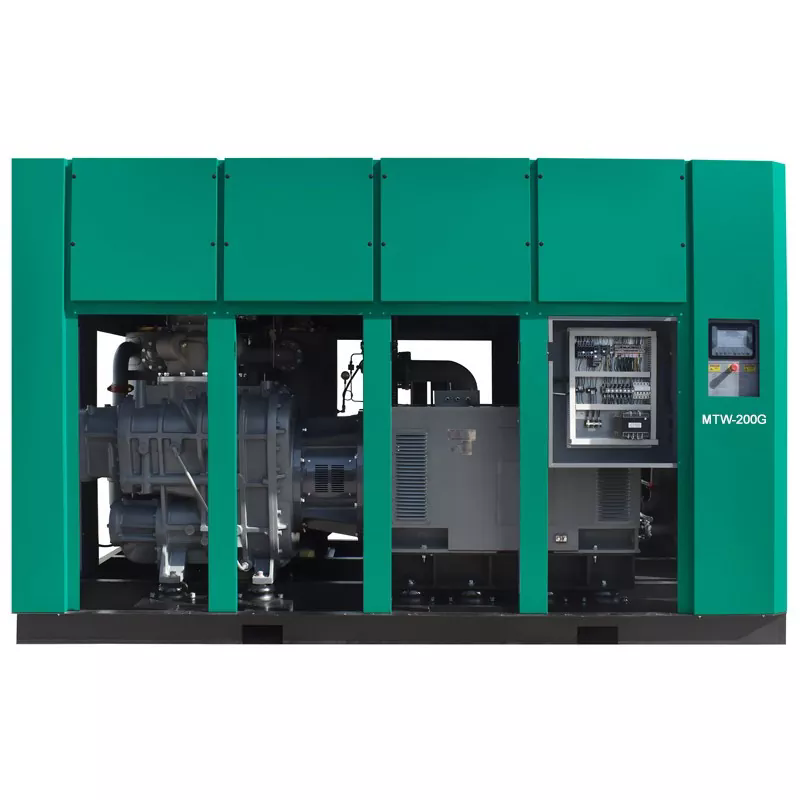
Table of Contents
- What is a Dry Oil-free Air Compressor?
- Working Principle of Dry Oil-free Air Compressors
- Key Advantages for Industrial Applications
- Industries Benefiting from Oil-free Air
- Tips for Choosing the Right Compressor
- Maintenance Guidelines
- Frequently Asked Questions
- Conclusion
What is a Dry Oil-free Air Compressor?
A dry oil-free air compressor is a type of compressor that does not use oil for lubrication within the compression chamber. This ensures the air produced is completely free from oil contamination, making it suitable for sensitive applications such as:
- Food and beverage production
- Pharmaceutical manufacturing
- Medical and laboratory environments
- Electronics and semiconductor industries
Dream’s dry oil-free air compressors are designed to provide high-efficiency performance while minimizing maintenance costs and downtime.
Working Principle of Dry Oil-free Air Compressors
Unlike traditional lubricated compressors, dry oil-free compressors use specialized materials and coatings to reduce friction instead of oil. Key components include:
- Compression Chamber: Utilizes Teflon-coated pistons or scroll elements to minimize wear.
- Cooling System: Efficient heat dissipation ensures consistent performance.
- Air Intake Filters: Ensure contaminant-free air enters the system.
The general operation process follows these steps:
- Ambient air enters through a filtration system.
- The air is compressed via the friction-reducing mechanism.
- The compressed air passes through a cooling stage to stabilize temperature.
- Final clean air is delivered to the end-use application.
This mechanism eliminates the risk of oil contamination, reduces maintenance, and ensures compliance with strict industry standards.
Key Advantages for Industrial Applications
| Advantage | Benefit |
|---|---|
| Oil-free Operation | Prevents contamination of sensitive products, ensuring safety and quality. |
| Low Maintenance | No oil changes and fewer moving parts reduce service costs. |
| Energy Efficiency | Advanced designs reduce power consumption and operational costs. |
| Long Lifespan | Durable coatings and materials extend service life. |
| Environmental Compliance | Eliminates oil disposal issues and reduces environmental impact. |
Industries Benefiting from Oil-free Air
Dry oil-free compressors are increasingly preferred in industries where air purity is non-negotiable. Key applications include:
- Healthcare: Surgical equipment and laboratory tools require oil-free air to maintain hygiene.
- Food Processing: Avoids food contamination and meets FDA and ISO standards.
- Pharmaceutical: Essential for tablet coating, packaging, and sterile air supply.
- Electronics Manufacturing: Prevents oil residues on delicate electronic components.
Tips for Choosing the Right Compressor
When selecting a dry oil-free air compressor for your facility, consider the following factors:
- Required Airflow (CFM): Ensure the compressor meets peak demand requirements.
- Pressure Rating (PSI): Match the output pressure with your application needs.
- Energy Efficiency: Look for compressors with variable speed drive options for cost savings.
- Noise Levels: Consider units with sound-dampening features for quiet operation.
- Maintenance Support: Choose brands like Dream that provide comprehensive service packages.
Maintenance Guidelines
Although dry oil-free compressors require less maintenance than lubricated types, proper care ensures long-term reliability:
- Regularly inspect air filters and replace when clogged.
- Monitor temperature and vibration for early warning signs.
- Clean cooling fins and ensure proper airflow around the unit.
- Follow manufacturer-recommended service intervals for bearings and seals.
Frequently Asked Questions
- Q: Can dry oil-free compressors handle high-pressure applications?
- A: Yes, modern designs from Dream can achieve high-pressure output while maintaining oil-free operation.
- Q: How long do dry oil-free compressors last?
- A: With proper maintenance, they can last 10–15 years, depending on usage intensity.
- Q: Are dry oil-free compressors more expensive than traditional types?
- A: Initial costs are slightly higher, but energy savings and reduced maintenance often offset the difference.
- Q: Is the air from these compressors safe for food and pharmaceuticals?
- A: Absolutely. They provide clean, oil-free air that meets industry hygiene standards.
Conclusion
Dry oil-free air compressors provide a reliable, low-maintenance solution for industries where air purity is critical. They reduce operational costs, protect sensitive products, and ensure long-term reliability. Dream’s range of dry oil-free compressors combines innovative engineering with proven performance to meet diverse industrial needs. Explore our product lineup here and contact us today to discover how Dream can elevate your compressed air solutions.