

How Does a Cabinet-type Static Var Generator Improve Power Quality in Modern Electrical Systems?
2026-01-14
Abstract
Power quality issues such as voltage fluctuation, low power factor, and reactive power imbalance continue to challenge industrial and commercial electrical systems. A Cabinet-type Static Var Generator is designed to address these issues in a compact, intelligent, and highly responsive form. This article explains how this technology works, the practical problems it solves, and why it has become a preferred solution for modern power compensation. By examining operating principles, application scenarios, selection criteria, and maintenance considerations, this guide helps decision-makers evaluate whether a Cabinet-type Static Var Generator is suitable for their electrical infrastructure.
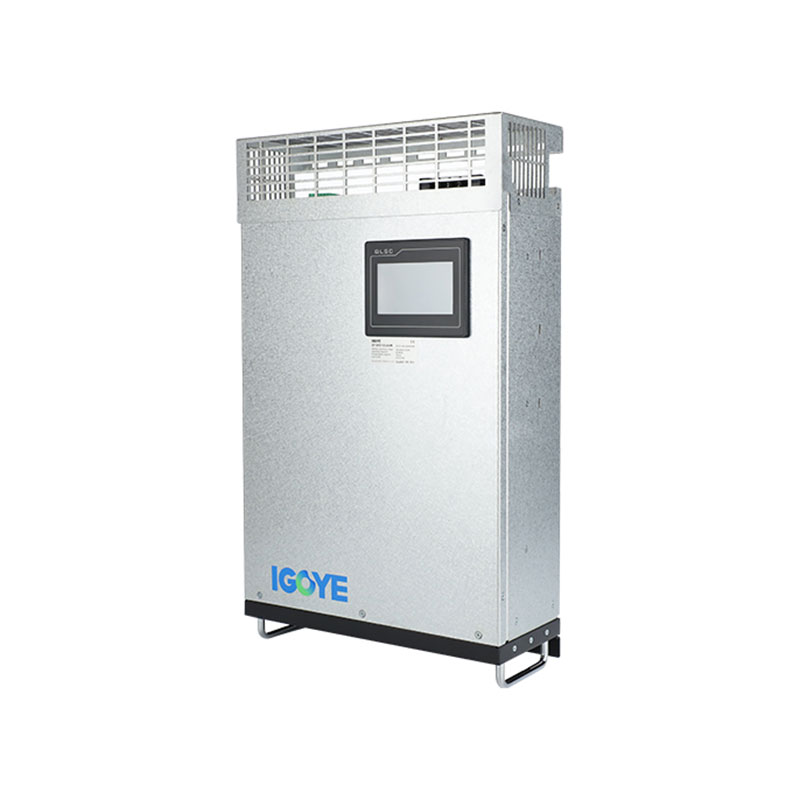
Table of Contents
- Article Outline
- Understanding Cabinet-type Static Var Generator
- Common Power Quality Pain Points
- How the System Works
- Key Advantages and Practical Value
- Typical Application Scenarios
- How to Select the Right Model
- Technology Comparison Table
- Operation and Maintenance Considerations
- Frequently Asked Questions
Article Outline
- Definition and role of a Cabinet-type Static Var Generator
- Power quality problems faced by end users
- Technical working mechanism and control logic
- Core advantages compared with conventional solutions
- Industry applications and deployment environments
- Key factors for selection and long-term operation
Understanding Cabinet-type Static Var Generator
A Cabinet-type Static Var Generator is an integrated reactive power compensation device installed in a standardized cabinet enclosure. It dynamically generates or absorbs reactive power to stabilize voltage and improve power factor in real time. Unlike traditional capacitor banks, this system relies on power electronic components and intelligent control algorithms to respond within milliseconds.
The cabinet structure allows for modular design, easy installation, and centralized protection. This makes it particularly suitable for factories, commercial buildings, data centers, renewable energy facilities, and distribution networks where load conditions change frequently.
Common Power Quality Pain Points
Many end users experience recurring electrical problems that directly affect equipment reliability and operating costs. These pain points often include:
- Low power factor leading to penalty charges from utilities
- Voltage flicker caused by rapidly changing inductive loads
- Unstable reactive power flow affecting sensitive equipment
- Overcompensation or undercompensation with fixed capacitor banks
- Increased losses and reduced transformer utilization
A Cabinet-type Static Var Generator is designed to solve these issues by delivering precise, real-time compensation without mechanical switching delays.
How the System Works
The operating principle of a Cabinet-type Static Var Generator is based on high-speed detection and electronic control. Current transformers and voltage sensors continuously monitor system parameters. The controller calculates the required reactive power and sends commands to the power module.
Through insulated gate bipolar transistors or similar components, the system injects leading or lagging reactive current as needed. This process is smooth, continuous, and independent of load steps, ensuring stable voltage and improved power quality even under sudden load changes.
Key Advantages and Practical Value
- Fast response time suitable for dynamic loads
- Continuous and stepless reactive power adjustment
- Compact cabinet design with high integration
- Reduced risk of resonance compared with passive solutions
- Improved equipment lifespan and energy efficiency
Manufacturers such as GEYA have optimized cabinet-type designs to ensure reliability, thermal stability, and ease of maintenance, making them suitable for long-term industrial use.
Typical Application Scenarios
Cabinet-type Static Var Generators are widely deployed across multiple industries:
- Manufacturing plants with welding machines and variable frequency drives
- Commercial complexes with elevators and HVAC systems
- Data centers requiring stable voltage and low harmonic interaction
- Renewable energy installations connected to weak grids
- Ports, railways, and heavy infrastructure projects
How to Select the Right Model
Choosing the correct Cabinet-type Static Var Generator requires a clear understanding of system conditions. Key evaluation factors include:
- Rated voltage and network configuration
- Required reactive power compensation capacity
- Load fluctuation characteristics
- Installation environment and space constraints
- Future expansion and modular upgrade needs
Technology Comparison Table
| Aspect | Cabinet-type Static Var Generator | Traditional Capacitor Bank |
|---|---|---|
| Response Speed | Millisecond-level | Seconds |
| Compensation Mode | Stepless and dynamic | Step-based and fixed |
| Adaptability | High for fluctuating loads | Limited |
| Maintenance | Predictable and modular | Frequent inspection required |
Operation and Maintenance Considerations
Although cabinet-type systems are highly automated, regular inspection remains important. Periodic checks of cooling systems, firmware updates, and connection integrity help ensure stable long-term performance. Remote monitoring functions further reduce on-site workload and enable proactive fault detection.
Frequently Asked Questions
-
Is a Cabinet-type Static Var Generator suitable for small facilities?
Yes. Modular cabinet designs allow scaling according to capacity requirements, making them suitable for both small and large installations. -
Can it operate alongside existing capacitor banks?
In many systems, it can be integrated to provide fine dynamic compensation while existing equipment handles base reactive power demand. -
How does it impact energy costs?
By improving power factor and reducing losses, it helps lower penalty charges and optimizes energy utilization.
Conclusion
A Cabinet-type Static Var Generator provides a practical and intelligent approach to managing reactive power in modern electrical systems. Its fast response, flexible configuration, and compact cabinet design directly address the real-world challenges faced by industrial and commercial users. With proven solutions from manufacturers such as GEYA, organizations can enhance power stability while preparing their infrastructure for future load changes.
For tailored solutions and professional support, contact us to discuss how a Cabinet-type Static Var Generator can be integrated into your power system to achieve long-term operational reliability and efficiency.