Article Summary
A biogas generator is an advanced energy solution that transforms organic waste into usable electricity while reducing environmental impact and improving energy independence. Many industries, farms, wastewater treatment plants, and commercial facilities face challenges such as rising energy costs, waste disposal pressure, and unstable power supply. A properly designed biogas generator system can address these problems by using biogas produced from organic materials as a renewable fuel source.
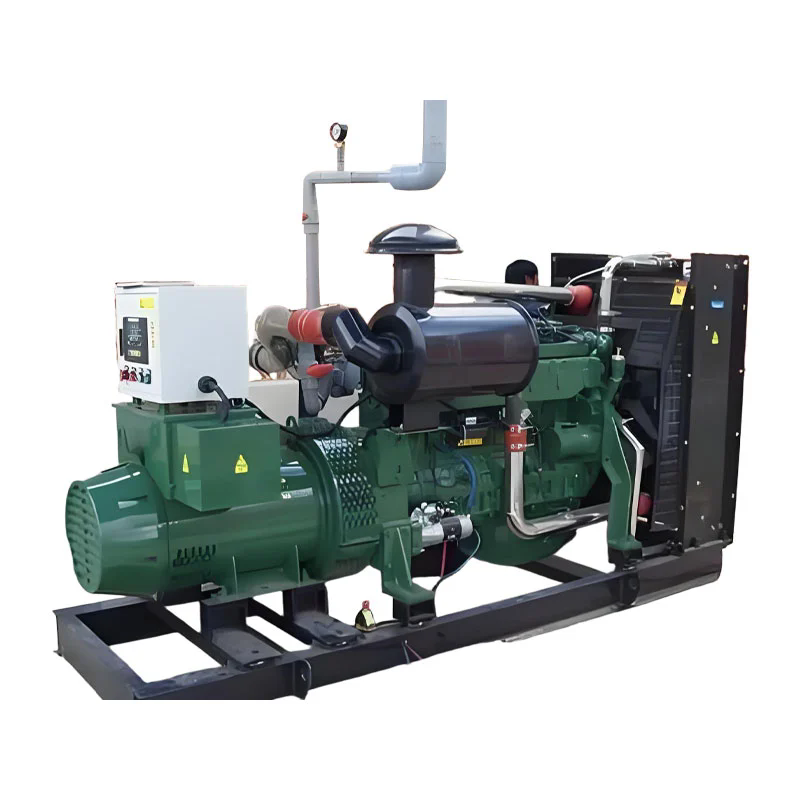
This article explains how a biogas generator works, its main components, benefits, applications, installation considerations, and how businesses can choose a suitable system. With professional experience in power generation solutions, Kecheng provides reliable biogas generator solutions designed to support efficient and sustainable energy production.
1. What Is a Biogas Generator?
A biogas generator is a power generation machine that uses biogas as fuel to produce electricity. Biogas is mainly generated through the anaerobic digestion process, where microorganisms break down organic materials such as agricultural waste, animal manure, food waste, and wastewater sludge without oxygen.
Unlike conventional generators that rely on diesel or natural gas, a biogas generator uses renewable fuel created from waste resources. This makes it an attractive choice for organizations looking to reduce energy expenses, improve waste management efficiency, and build a more sustainable power system.
The core idea behind a biogas generator is simple: convert waste into energy. Instead of allowing organic waste to create environmental problems, businesses can recover its energy value and turn it into electricity for daily operations.
2. How Does a Biogas Generator Work?
Understanding the working process of a biogas generator helps users evaluate whether this technology meets their energy requirements. The complete process includes several important stages.
-
Organic Waste Collection: Organic materials such as agricultural residues, livestock manure, or industrial wastewater are collected and delivered to a digestion system.
-
Biogas Production: Inside an anaerobic digester, microorganisms decompose organic matter and produce biogas containing methane and carbon dioxide.
-
Gas Treatment: Raw biogas usually contains impurities such as hydrogen sulfide and moisture. A treatment system removes harmful components to improve fuel quality.
-
Combustion and Power Generation: The purified biogas enters the generator engine, where combustion produces mechanical energy that drives an alternator to generate electricity.
-
Energy Utilization: The generated electricity can be used for factory equipment, farm operations, lighting systems, or connected to the local power grid.
Through this process, a biogas generator creates a closed-loop energy system where waste becomes a valuable energy resource.
3. What Are the Main Components of a Biogas Generator System?
A complete biogas generator solution includes multiple components working together. Each part plays an important role in ensuring stable and efficient operation.
|
Component
|
Main Function
|
|
Biogas Engine
|
Uses biogas combustion to produce mechanical power.
|
|
Alternator
|
Converts mechanical energy into electrical energy.
|
|
Gas Treatment System
|
Removes impurities and improves biogas quality.
|
|
Control System
|
Monitors operation parameters and improves safety.
|
|
Cooling System
|
Maintains suitable operating temperature.
|
|
Exhaust System
|
Handles combustion gases safely.
|
|
Fuel Supply System
|
Provides stable biogas delivery to the engine.
|
The quality and integration of these components directly influence generator efficiency, service life, and operating reliability. Kecheng focuses on providing dependable generator solutions that help customers achieve stable energy output.
4. Why Are More Industries Choosing Biogas Generators?
Many companies are facing increasing pressure from energy costs, environmental regulations, and resource management challenges. Biogas generators provide several practical advantages.
-
Lower Energy Costs: Biogas produced from waste materials can reduce dependence on purchased electricity and fossil fuels.
-
Waste Reduction: Organic waste is transformed into useful energy instead of creating disposal problems.
-
Renewable Energy Production: Biogas is continuously generated from organic resources, making it a sustainable fuel option.
-
Stable Power Supply: A biogas generator can provide reliable electricity for facilities requiring continuous operation.
-
Environmental Protection: Using biogas helps reduce greenhouse gas emissions compared with traditional fossil fuel systems.
For farms, factories, and treatment facilities, a biogas generator is not only a power generation device but also an effective resource management solution.
5. Where Can Biogas Generators Be Used?
Biogas generators are suitable for many industries where organic waste resources are available.
|
Industry
|
Typical Application
|
|
Agriculture
|
Using livestock manure and agricultural waste for electricity production.
|
|
Food Processing
|
Recovering energy from food waste and production wastewater.
|
|
Wastewater Treatment
|
Using sludge-generated biogas for plant electricity supply.
|
|
Landfills
|
Collecting landfill gas for power generation.
|
|
Industrial Facilities
|
Reducing energy expenses through self-generated electricity.
|
6. How to Choose the Right Biogas Generator?
Selecting the correct biogas generator requires careful evaluation of fuel conditions, electricity requirements, and operating environment.
-
Analyze Available Biogas Supply: Determine daily gas production volume and methane concentration.
-
Calculate Power Demand: Select generator capacity based on current and future electricity requirements.
-
Consider Operating Conditions: Temperature, humidity, and installation location affect performance.
-
Evaluate System Efficiency: Higher efficiency can provide better long-term economic benefits.
-
Choose Reliable Technical Support: Professional manufacturers can provide installation guidance and after-sales service.
A suitable biogas generator should match the user's actual operating conditions rather than simply selecting the largest available capacity.
7. Maintenance Tips for Better Generator Performance
Regular maintenance is essential for ensuring long-term reliability and reducing unexpected downtime.
-
Check engine oil and cooling system regularly.
-
Monitor biogas quality and gas pressure.
-
Inspect electrical connections and control systems.
-
Replace filters and wearing parts according to maintenance schedules.
-
Keep the installation area clean and properly ventilated.
Proper maintenance helps improve fuel efficiency, extend equipment lifespan, and maintain stable electricity production.
8. Biogas Generator vs Traditional Power Generation
|
Feature
|
Biogas Generator
|
Traditional Diesel Generator
|
|
Fuel Source
|
Renewable biogas
|
Diesel fuel
|
|
Waste Utilization
|
Converts organic waste into energy
|
No waste recovery function
|
|
Operating Cost
|
Potentially lower with available biogas resources
|
Higher fuel dependence
|
|
Environmental Impact
|
Supports emission reduction
|
Produces higher fossil fuel emissions
|
|
Energy Independence
|
Improves self-generated power capability
|
Depends on fuel supply chains
|
9. Frequently Asked Questions About Biogas Generators
Q1: What type of waste can produce biogas?
Agricultural waste, animal manure, food waste, wastewater sludge, and other biodegradable materials can produce biogas through anaerobic digestion.
Q2: Can a biogas generator operate continuously?
Yes. When the biogas supply is stable and the system is properly maintained, a biogas generator can provide continuous power generation.
Q3: Is biogas generator maintenance difficult?
Maintenance requirements are similar to other engine-based power systems. Regular inspection and professional servicing help maintain reliable performance.
Q4: Why should businesses invest in a biogas generator?
Businesses can reduce energy costs, improve waste utilization, and create a more sustainable power supply by investing in biogas generation technology.
Q5: How does Kecheng support customers with biogas generator solutions?
Kecheng provides professional biogas generator products and technical solutions designed to meet different application requirements, helping customers achieve efficient and dependable power generation.
10. Conclusion
A biogas generator provides an effective solution for organizations seeking reliable electricity while improving waste management efficiency. By converting organic waste into renewable energy, this technology helps reduce operating costs, increase energy independence, and support sustainable development.
Choosing the right equipment, understanding fuel characteristics, and maintaining the system properly are essential for achieving the best performance. With advanced technology and professional experience, Kecheng continues to provide reliable biogas generator solutions for customers across different industries.
If you are looking for an efficient way to transform waste resources into valuable power, contact us today. Kecheng is ready to provide customized biogas generator solutions that match your energy needs and help build a cleaner, more reliable future.