

How Do Medical Gas Cylinders Ensure Safe and Reliable Oxygen Delivery?
2026-03-04
Article Summary
Medical gas cylinders are essential for hospitals, clinics, and emergency care, providing controlled and portable delivery of oxygen, nitrous oxide, and other therapeutic gases. Proper selection, handling, and maintenance are critical to ensure patient safety, regulatory compliance, and uninterrupted medical service. This article explores the types of medical gas cylinders, their operational considerations, common challenges faced by healthcare providers, and best practices to maintain safe usage. Weclearmed offers high-quality medical gas cylinder solutions designed for reliability, durability, and compliance with healthcare standards.
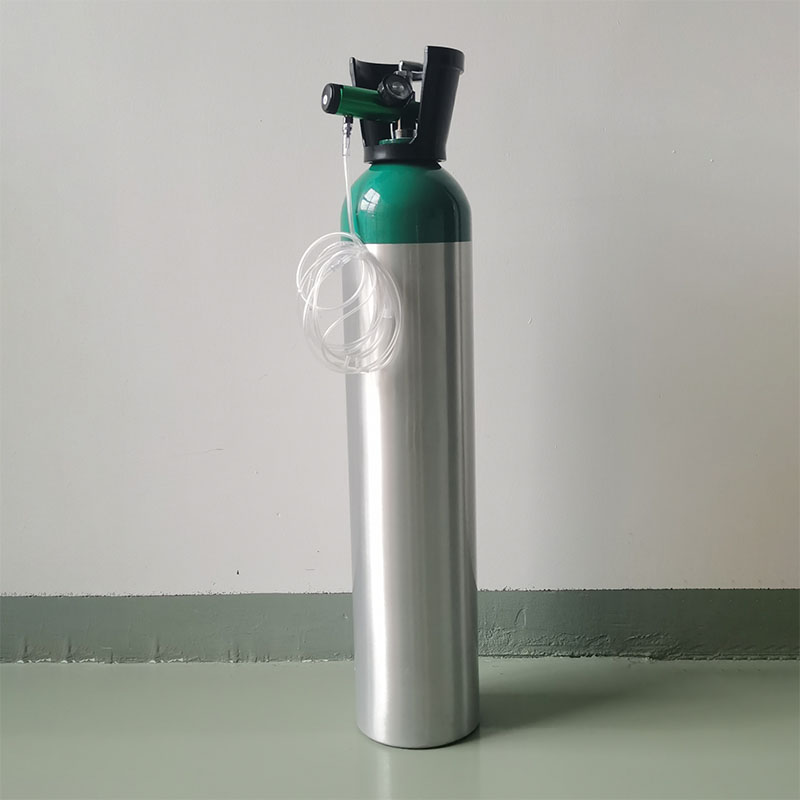
Table of Contents
- Medical Gas Cylinder Overview
- Common Customer Pain Points
- Types of Medical Gas Cylinders
- How to Choose the Right Cylinder
- Maintenance and Safety Protocols
- Medical Gas Cylinder Comparison Table
- Application Scenarios and Best Practices
- Frequently Asked Questions
- Conclusion and Contact Us
Medical Gas Cylinder Overview
Medical gas cylinders are pressurized containers specifically engineered to store gases such as oxygen, nitrogen, nitrous oxide, and carbon dioxide in a safe and stable manner. They are widely used in hospitals, ambulances, clinics, and home healthcare settings. Cylinders provide a reliable source of therapeutic gases when piped supply is unavailable or as an emergency backup. Ensuring proper cylinder integrity, labeling, and handling is essential to prevent accidents and maintain consistent gas delivery.
Weclearmed specializes in producing medical gas cylinders that meet stringent safety standards, offering solutions for both large healthcare facilities and smaller clinics. Their products are designed to combine durability, corrosion resistance, and precision valve engineering for safe and efficient usage.
Common Customer Pain Points
Healthcare providers often encounter operational challenges when using medical gas cylinders. Addressing these issues is critical to avoid safety risks and service disruptions.
- Risk of cylinder leaks or burst under high pressure
- Difficulty in accurate pressure monitoring and gas volume estimation
- Improper storage leading to corrosion or damage
- Non-compliance with regulatory standards for medical gases
- Delays in delivery or cylinder replacement during emergencies
- Compatibility issues with regulators and delivery systems
Proper selection, routine inspection, and training in handling can significantly reduce these risks.
Types of Medical Gas Cylinders
Medical gas cylinders are classified based on gas type, size, material, and pressure rating. Understanding the differences helps ensure the correct choice for each clinical scenario.
- Oxygen Cylinders – Available in high-pressure steel or aluminum, essential for respiratory therapy and critical care.
- Nitrous Oxide Cylinders – Used for anesthesia and sedation, typically paired with oxygen.
- Carbon Dioxide Cylinders – Commonly used in surgical procedures, insufflation, and certain respiratory therapies.
- Compressed Air Cylinders – Provide clean, dry air for ventilators and other medical devices.
- Mixed Gas Cylinders – Contain blends such as oxygen-nitrous oxide mixtures for specific medical treatments.
How to Choose the Right Cylinder
Selecting a medical gas cylinder involves evaluating operational requirements, safety, and regulatory compliance. Key factors include:
- Required gas type and purity level
- Size and pressure rating based on consumption and portability needs
- Material and construction (steel vs aluminum for weight and corrosion resistance)
- Compatibility with hospital or home delivery systems
- Compliance with ISO, DOT, and local regulatory standards
Weclearmed provides expert guidance to ensure customers select cylinders that meet clinical demands and safety requirements, minimizing downtime and operational risks.
Maintenance and Safety Protocols
Proper maintenance and safety procedures are critical to extend cylinder life and prevent accidents. Key protocols include:
- Routine inspection for leaks, corrosion, and valve integrity
- Periodic hydrostatic testing as per regulatory standards
- Proper storage in ventilated, dry areas away from heat sources
- Clear labeling to avoid gas mix-ups
- Use of pressure regulators and secure handling during transport
Training staff on proper handling and emergency response procedures is equally important for safe operation.
Medical Gas Cylinder Comparison Table
| Cylinder Type | Gas Type | Material | Applications | Pressure Rating |
|---|---|---|---|---|
| Standard Oxygen | Oxygen | Steel / Aluminum | Respiratory therapy, emergency care | 150–200 bar |
| Nitrous Oxide | N2O | Steel | Anesthesia, sedation | 50–60 bar |
| CO2 Cylinder | Carbon Dioxide | Steel / Aluminum | Surgical insufflation, respiratory therapy | 60–70 bar |
| Compressed Air | Medical Air | Aluminum | Ventilators, monitoring equipment | 200 bar |
Application Scenarios and Best Practices
Medical gas cylinders are integral in various healthcare settings. Best practices improve operational efficiency and patient safety:
- Emergency oxygen backup in hospitals and ambulances
- Home healthcare for respiratory patients
- Operating rooms for anesthesia delivery
- Portable cylinders for patient transport
- Integration with gas manifold systems for uninterrupted supply
Using Weclearmed cylinders ensures reliable performance across all these applications, reducing downtime and enhancing patient care.
Frequently Asked Questions
How often should medical gas cylinders be inspected?
Cylinders should be visually inspected before each use and undergo formal hydrostatic testing at intervals defined by regulatory standards.
Can cylinders be refilled on-site?
Only certified personnel with appropriate equipment should refill medical gas cylinders to ensure safety and compliance.
What is the difference between steel and aluminum cylinders?
Steel cylinders are heavier but more robust, while aluminum cylinders are lighter and resistant to corrosion, making them suitable for portable applications.
How can leaks be detected?
Regular leak tests using soapy water or specialized detectors are recommended. Any detected leaks must be addressed immediately.
Conclusion and Contact Us
Medical gas cylinders are vital for ensuring safe, reliable, and continuous delivery of therapeutic gases in healthcare settings. By understanding cylinder types, proper selection, and maintenance practices, healthcare providers can enhance patient safety, reduce operational risks, and maintain compliance with regulatory requirements.
Weclearmed delivers high-quality medical gas cylinders designed for safety, durability, and precision. If you want to ensure reliable medical gas supply in your facility or require guidance on cylinder selection and maintenance, contact us today to learn how Weclearmed can support your healthcare operations.