

How Do Biogas Generator Sets Transform Waste into Sustainable Energy?
2025-09-04
Biogas generator sets have rapidly become a game-changing solution for sustainable energy production, addressing both environmental challenges and rising global energy demands. By converting organic waste into renewable energy, these systems not only reduce greenhouse gas emissions but also provide a reliable and cost-effective power source for industries, farms, and communities worldwide.
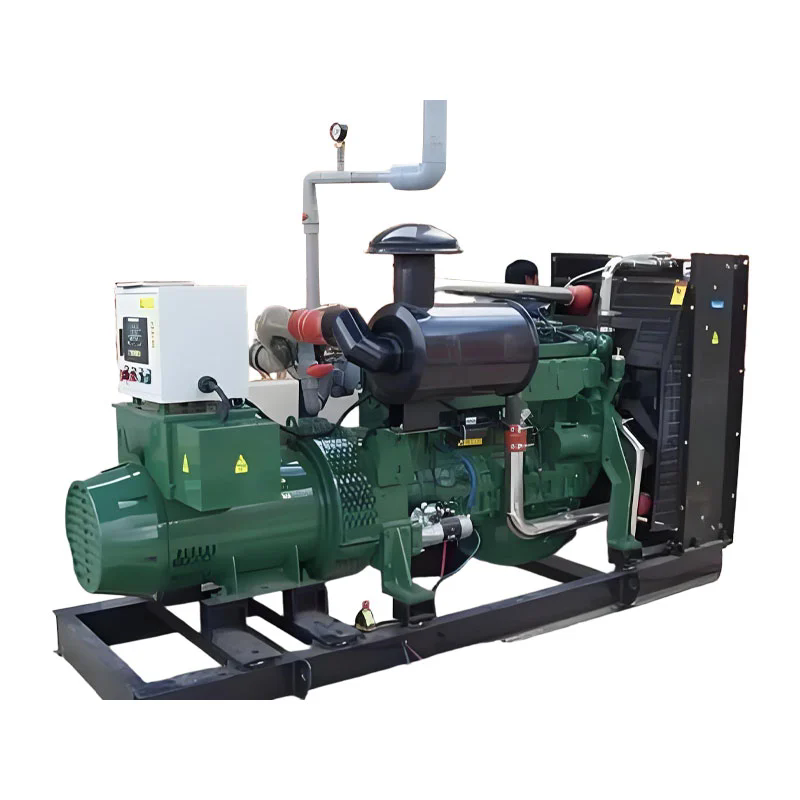
What Is a Biogas Generator Set and Why Does It Matter?
A biogas generator set is a complete energy conversion system that transforms biogas — produced from the anaerobic digestion of organic waste — into usable electricity and heat. With rising concerns about climate change and fossil fuel depletion, the demand for renewable energy solutions is accelerating. Biogas generator sets are one of the most effective and sustainable technologies available today.
Why Biogas Is the Future of Renewable Energy
-
Sustainable Resource Utilization: Biogas is derived from natural, renewable feedstocks like agricultural waste, animal manure, food scraps, and sewage sludge.
-
Carbon Neutrality: Unlike fossil fuels, biogas combustion releases almost the same amount of carbon dioxide that the organic matter absorbed during its lifecycle.
-
Energy Independence: By generating electricity onsite, industries and farms can reduce their reliance on unstable power grids and volatile energy prices.
-
Circular Economy: Biogas production turns waste into valuable energy, supporting sustainable development goals.
Biogas generator sets are widely adopted in waste-to-energy plants, livestock farms, food processing industries, and municipal wastewater treatment facilities. The versatility and scalability of these systems make them suitable for both small-scale rural operations and large industrial power plants.
How Does a Biogas Generator Set Work?
The process of transforming biogas into electricity involves several integrated stages:
Biogas Production
Biogas is generated via anaerobic digestion — the breakdown of organic matter by microorganisms in an oxygen-free environment. The resulting gas typically contains 55–65% methane (CH₄), 35–45% carbon dioxide (CO₂), and trace amounts of hydrogen sulfide (H₂S) and moisture.
Gas Purification
Before entering the generator, the raw biogas undergoes purification to remove:
-
Moisture (which can damage engine components)
-
Hydrogen Sulfide (highly corrosive if left untreated)
-
Carbon Dioxide (in high concentrations, it lowers energy efficiency)
Power Generation
Once purified, the biogas is fed into a biogas engine — typically a spark-ignition gas engine — connected to an alternator. Here’s how it works:
-
Methane combusts in the engine’s cylinders.
-
The combustion drives pistons to produce mechanical energy.
-
The alternator converts mechanical energy into electricity.
Step 4. Heat Recovery
Many systems integrate a combined heat and power (CHP) module, allowing users to utilize waste heat from the engine for water heating, industrial processing, or district heating networks.
Technical Specifications of Biogas Generator Sets
Choosing the right biogas generator set involves understanding critical technical parameters. Below is an example of standard specifications for high-performance systems:
| Parameter | Specification | Description |
|---|---|---|
| Rated Power Output | 50 kW – 2000 kW | Wide capacity range for different applications |
| Gas Type | Biogas (CH₄ 55–65%) | Designed for variable methane concentrations |
| Engine Type | 4-Stroke Spark Ignition | Optimized for biogas combustion efficiency |
| Cooling System | Water-cooled / CHP ready | Enables simultaneous power and heat recovery |
| Electrical Efficiency | 35% – 42% | High energy conversion performance |
| Total Efficiency | Up to 85% (with CHP) | Maximizes energy utilization |
| Voltage Output | 400V / 480V / Customizable | Suitable for different regional power grids |
| Control System | PLC with Remote Monitoring | Ensures smart operations and real-time control |
| Emission Compliance | Euro V / EPA Certified | Meets international environmental regulations |
These specifications demonstrate how modern biogas generator sets deliver high reliability, energy efficiency, and environmental compliance.
Why Choose a Biogas Generator Set?
Investing in a high-quality biogas generator set offers several long-term benefits:
Environmental Benefits
-
Significant reduction in methane emissions from organic waste
-
Lower carbon footprint compared to fossil fuel alternatives
-
Supports global net-zero goals
Economic Benefits
-
Energy Cost Savings: Use locally available biogas instead of purchasing electricity from the grid.
-
Waste Management Efficiency: Transform costly waste disposal into a profitable energy source.
-
Government Incentives: Many regions offer subsidies and tax rebates for renewable energy adoption.
Operational Benefits
-
Reliable Power Supply: Minimize downtime in critical operations.
-
Scalable Solutions: Flexible designs suitable for farms, factories, and municipal facilities.
-
Durability: Built for continuous operation under varying environmental conditions.
Frequently Asked Questions (FAQs)
Q1: How efficient are biogas generator sets compared to traditional diesel generators?
A1: Biogas generator sets typically achieve 35–42% electrical efficiency and up to 85% total efficiency with combined heat and power (CHP) systems. Diesel generators generally offer lower overall efficiency and higher fuel costs, making biogas systems more sustainable and economical over time.
Q2: What types of feedstock can be used to produce biogas?
A2: Biogas can be produced from various organic materials, including:
-
Livestock manure
-
Agricultural crop residues
-
Municipal wastewater sludge
-
Food processing waste
-
Landfill waste gas
The versatility of feedstocks ensures a steady, renewable fuel source for generator sets across different industries.
Why Partner with Kecheng for Biogas Generator Solutions
When choosing a biogas generator set, reliability, efficiency, and after-sales support are critical. Kecheng specializes in designing and manufacturing high-performance biogas generator sets tailored to your operational needs. Our systems are engineered with cutting-edge technology, ensuring maximum energy output, low emissions, and seamless integration with your existing infrastructure.
Whether you operate a farm, food processing plant, municipal facility, or industrial power station, Kecheng provides turnkey solutions — from consultation and system design to installation and 24/7 technical support.
For more information about our biogas generator sets or to request a customized solution, contact us today.