

How Can Industrial Heat Pumps Revolutionize Energy Efficiency ?
2025-10-17
Industrial heat pumps are rapidly transforming how industries manage energy, reduce operational costs, and minimize environmental impact. Designed to transfer heat from a lower-temperature source to a higher-temperature medium, these systems are increasingly becoming a cornerstone of sustainable industrial operations.
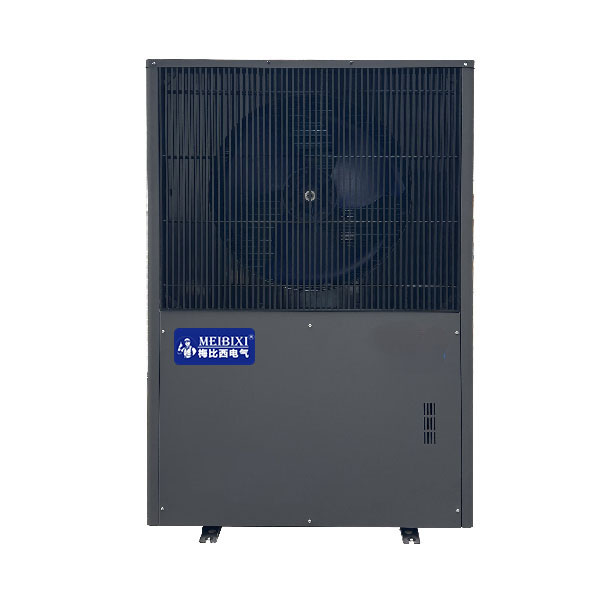
Industrial heat pumps offer a high-efficiency alternative to conventional heating and cooling systems by recovering and reusing energy, which results in significant energy savings. Their application spans chemical processing, food production, textile manufacturing, and more, making them versatile solutions in multiple sectors. The primary focus of this article is to provide in-depth insight into industrial heat pump technologies, their benefits, operational principles, and key parameters to consider when selecting the right system for industrial needs.
What Are Industrial Heat Pumps and How Do They Work?
Industrial heat pumps are mechanical devices that move thermal energy from a cooler source (such as air, water, or waste heat) to a warmer medium using refrigeration cycles. Unlike conventional heaters, which generate heat through combustion or electrical resistance, heat pumps transfer existing energy, achieving significantly higher efficiency levels.
How They Work:
-
Evaporation: The refrigerant absorbs heat from a low-temperature source and vaporizes.
-
Compression: The vapor is compressed to increase its temperature and pressure.
-
Condensation: Heat is released to the target medium, such as process water or air.
-
Expansion: The refrigerant returns to low pressure, completing the cycle.
Key Advantages:
-
Energy efficiency up to 400% compared to traditional heating systems.
-
Ability to utilize waste heat from industrial processes.
-
Reduction in carbon footprint and greenhouse gas emissions.
-
Versatile installation across various industrial sectors.
Technical Parameters of a Typical Industrial Heat Pump System:
| Parameter | Specification Range |
|---|---|
| Heating Capacity | 50 kW – 2,500 kW |
| Temperature Range (Output) | 50°C – 120°C |
| Coefficient of Performance (COP) | 3.0 – 5.0 |
| Power Supply | 380V/3 Phase, 50/60 Hz |
| Refrigerant Type | R134a, R410A, Ammonia (NH₃) |
| Noise Level | ≤65 dB |
| Installation Type | Skid-mounted / Modular / Customized |
| Operating Pressure | 1.5 – 4.0 MPa |
| Application | Process heating, drying, pasteurization |
This table provides a clear overview of the parameters industries must consider when selecting the right heat pump system, emphasizing performance efficiency and adaptability.
Why Are Industrial Heat Pumps Gaining Popularity in Modern Manufacturing?
Industrial heat pumps have gained significant traction due to rising energy costs, stricter environmental regulations, and the need for sustainable industrial solutions. Businesses are increasingly seeking ways to optimize their energy consumption while maintaining high process efficiency.
Energy Cost Reduction:
By recovering low-grade heat from exhausts, condensers, or wastewater, industrial heat pumps can provide a substantial portion of the heating or cooling demand without additional fuel consumption. This directly reduces operational costs over the system's lifespan.
Environmental Sustainability:
Industrial sectors contribute significantly to global greenhouse gas emissions. Heat pumps utilize electricity more efficiently than conventional boilers, reducing fossil fuel dependency and helping companies comply with emission reduction targets.
Process Optimization:
Some industrial processes, such as chemical reactions, drying, and sterilization, require precise temperature control. Heat pumps offer accurate heating or cooling, enhancing product quality and process consistency.
Long-term Investment Value:
While the upfront cost of industrial heat pumps can be higher than conventional systems, their efficiency and longevity often result in faster return on investment (ROI). Maintenance costs are generally lower, and operational downtime is minimized with robust designs.
Future Trends:
-
Integration with renewable energy sources such as solar or wind.
-
Smart control systems for real-time efficiency monitoring.
-
Hybrid systems combining heat pumps with conventional boilers for high-demand scenarios.
How to Select the Right Industrial Heat Pump for Your Facility?
Selecting an industrial heat pump requires careful consideration of several technical and operational factors. Not every system fits every industrial need; incorrect selection can result in reduced efficiency, increased costs, or operational failures.
Key Considerations:
-
Capacity Requirements: Calculate the total heating or cooling demand of the facility, including peak loads and seasonal variations.
-
Temperature Range: Ensure the heat pump can deliver the required temperature for your process. Some applications demand high-temperature output (>100°C).
-
Refrigerant Type: Evaluate refrigerants based on efficiency, environmental regulations, and compatibility with the industrial environment.
-
Energy Source Availability: Determine whether the heat pump will use waste heat, ambient air, water sources, or electricity as its primary energy source.
-
Maintenance and Reliability: Review manufacturer support, ease of access for maintenance, and expected operational lifespan.
-
Space and Installation Constraints: Consider whether modular, skid-mounted, or fully customized systems are appropriate.
Common Industrial Applications:
-
Chemical & Pharmaceutical Production: Heating, drying, sterilization.
-
Food & Beverage Processing: Pasteurization, drying, heating water, and cooling systems.
-
Textile Industry: Dyeing, drying, and process heating.
-
Wastewater Treatment: Recovering heat from effluent streams.
FAQs About Industrial Heat Pumps:
Q1: How much energy can an industrial heat pump save compared to conventional heating systems?
A1: Industrial heat pumps can achieve 3 to 5 times the energy efficiency of conventional systems, translating to 60–80% reduction in electricity or fuel consumption depending on process requirements and operating conditions.
Q2: What is the typical lifespan of an industrial heat pump, and how often is maintenance required?
A2: With proper installation and routine maintenance, industrial heat pumps can last 15–20 years. Preventive maintenance, including refrigerant checks, filter cleaning, and system inspections, should be conducted every 6–12 months to ensure optimal performance.
What Are the Future Opportunities and Benefits of Industrial Heat Pumps?
As global industries strive for energy efficiency, carbon reduction, and cost optimization, industrial heat pumps will play an increasingly strategic role. Companies that integrate heat pump technology can expect significant competitive advantages:
Maximized Energy Recovery: Waste heat from industrial processes can now be reused efficiently, reducing the need for external energy sources.
Regulatory Compliance: Industries adopting heat pumps are better positioned to meet environmental regulations and achieve sustainability certifications.
Integration with Smart Manufacturing: Heat pumps can now be connected to IoT systems for monitoring, predictive maintenance, and process optimization, contributing to Industry 4.0 initiatives.
Enhanced Process Reliability: Stable and precise temperature control ensures high-quality output, minimal downtime, and reduced product wastage.
Brand Example: MEIBIXI provides state-of-the-art industrial heat pump solutions designed for high efficiency, reliability, and environmental sustainability. Their systems offer advanced monitoring, flexible installation options, and superior performance tailored to diverse industrial applications. Companies seeking reliable industrial heat pumps can benefit from MEIBIXI’s expertise and comprehensive solutions. Contact us today to explore customized industrial heat pump systems and unlock optimal energy savings for your operations.