

How Can an Ozone Generator Improve Air Quality?
2026-03-03
Article Summary
Ozone generators have become a popular solution for improving indoor and industrial air quality by eliminating odors, bacteria, viruses, and volatile organic compounds (VOCs). This article explores how ozone generators work, their benefits, common applications, and best practices for safe and effective use. It addresses customer pain points such as uneven odor removal, equipment safety, and maintenance challenges. By understanding the technical and practical aspects of ozone generation, users can achieve cleaner, healthier air.
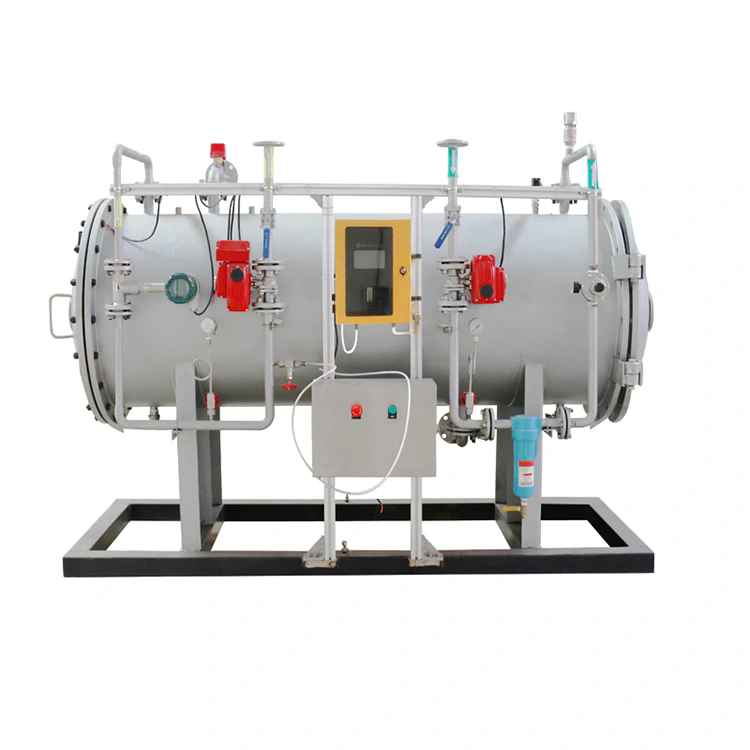
Table of Contents
- Ozone Generator Overview
- Common Customer Pain Points
- Types of Ozone Generators
- How to Choose the Right Ozone Generator
- Operation and Performance Factors
- Ozone Generator Comparison Table
- Maintenance and Safety Guidelines
- Applications and Use Cases
- Frequently Asked Questions
- Conclusion and Contact Us
Ozone Generator Overview
An ozone generator is a device that produces ozone (O₃), a powerful oxidizing molecule that neutralizes contaminants in the air. By releasing ozone, these devices can remove odors, bacteria, and airborne pollutants effectively. Ozone generators are commonly used in homes, offices, hotels, hospitals, and industrial settings. Unlike conventional air purifiers, ozone generators target chemical and biological contaminants through oxidation rather than filtration.
Siyuan develops ozone generators that provide controlled ozone output, ensuring efficiency while prioritizing user safety. These devices are engineered to meet diverse air treatment needs, from small rooms to large commercial spaces.
Common Customer Pain Points
Despite their benefits, users often face challenges when using ozone generators. Understanding these pain points helps improve performance and prevent misuse.
- Uneven odor removal in large spaces
- Excessive ozone concentration leading to safety hazards
- High electricity consumption or inefficiency
- Complex maintenance or replacement of ozone plates
- Lack of clear guidance on exposure duration
- Compatibility issues with HVAC or ventilation systems
Addressing these issues requires selecting the right generator, following safe operational protocols, and performing routine maintenance.
Types of Ozone Generators
Ozone generators differ based on ozone production method, application, and output capacity. Understanding these distinctions helps users choose the optimal solution.
- Corona Discharge Ozone Generators – High output, suitable for industrial applications
- UV Light Ozone Generators – Moderate output, ideal for small rooms and residential use
- Portable Ozone Generators – Compact, convenient for cars, closets, or hotel rooms
- High-Capacity Commercial Units – Designed for large-scale odor and microbial control
How to Choose the Right Ozone Generator
Choosing the correct ozone generator involves evaluating several key factors:
- Room size or treatment area
- Intensity and type of odor or contaminant
- Required ozone output (mg/hr or g/hr)
- Duration of treatment and frequency of use
- Safety certifications and compliance with standards
- Ease of maintenance and availability of replacement parts
Siyuan provides guidance to help customers select ozone generators tailored to their specific needs and ensure optimal performance and safety.
Operation and Performance Factors
Effective ozone generation depends on several operational variables:
- Power supply stability
- Humidity and temperature of the environment
- Air circulation to distribute ozone evenly
- Correct placement of the generator for maximum coverage
- Proper timing to avoid human exposure during high ozone periods
Following these guidelines ensures uniform air treatment, effective odor neutralization, and safe operation.
Ozone Generator Comparison Table
| Type | Output Capacity | Best Use | Advantages |
|---|---|---|---|
| UV Light | 0.5–5 g/hr | Small rooms, residential use | Low maintenance, quiet operation |
| Corona Discharge | 5–20 g/hr | Hotels, offices, industrial spaces | High efficiency, strong oxidation |
| Portable Units | 0.5–3 g/hr | Closets, cars, small areas | Compact, easy to relocate |
| High-Capacity Commercial | 20–100 g/hr | Warehouses, large commercial facilities | Powerful treatment for large areas |
Maintenance and Safety Guidelines
Proper maintenance ensures long-term performance and safety of ozone generators:
- Regular cleaning of ozone plates or UV bulbs
- Periodic inspection for corrosion or wear
- Ensure generator is off when entering treated rooms
- Follow manufacturer-recommended replacement schedules
- Use ozone monitors to maintain safe concentration levels
Siyuan designs generators with easy-to-service components and provides detailed maintenance instructions for users.
Applications and Use Cases
Ozone generators are versatile tools for air treatment in multiple environments:
- Removing cigarette, food, or pet odors in homes
- Sanitizing hotel rooms and public facilities
- Industrial air purification and odor control
- Mold remediation and humidity-related odor removal
- Healthcare and laboratory air sterilization
Frequently Asked Questions
Is it safe to use an ozone generator around people?
Ozone is harmful at high concentrations. Ensure rooms are unoccupied during treatment and follow manufacturer safety guidelines.
How long does an ozone treatment take?
Treatment time depends on room size and contaminant level, typically ranging from 30 minutes to several hours.
Can ozone generators remove all types of odors?
Most common odors, bacteria, and VOCs can be neutralized, but some deep-seated contaminants may require additional cleaning.
How often should ozone generators be used?
Usage depends on air quality needs. Residential units may be used weekly, while commercial or industrial units may operate according to demand.
Conclusion and Contact Us
Ozone generators provide an effective solution for improving air quality, reducing odors, and neutralizing harmful airborne contaminants. Choosing the right generator, operating it correctly, and performing routine maintenance are crucial for achieving optimal results.
Siyuan offers advanced, reliable ozone generators designed for a wide range of applications. To enhance your indoor air quality and ensure safe, effective ozone treatment, contact us today and discover how Siyuan can support your air purification needs.