

How Can a Biogas Generator Set Transform Renewable Energy for Facility?
2025-09-25
In the global drive toward sustainable energy, biogas generator sets have emerged as a pivotal solution for converting organic waste into reliable power.
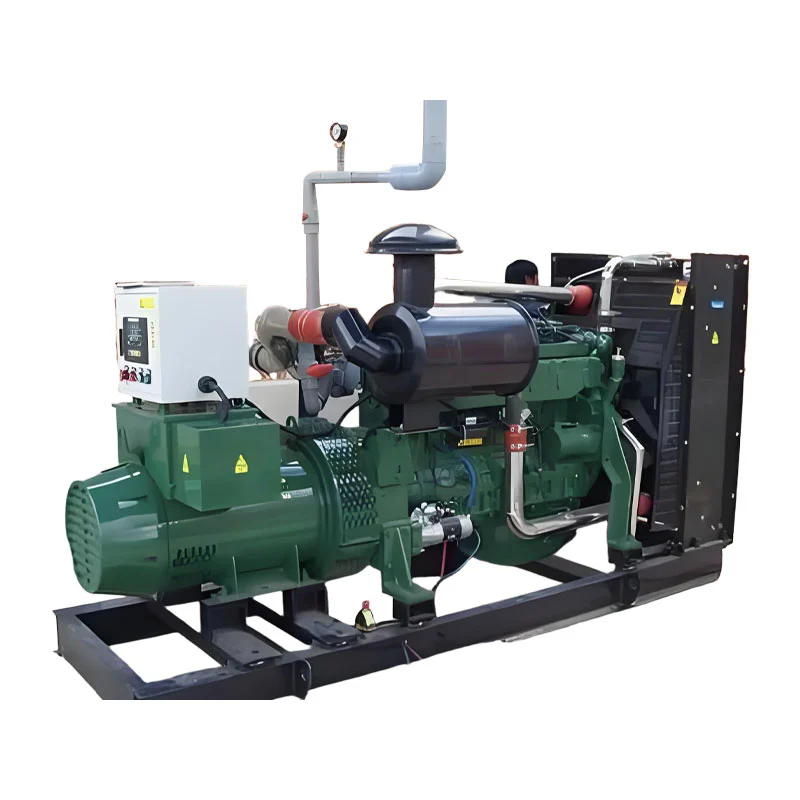
What is a Biogas Generator Set and How Does It Work?
A biogas generator set is a specialized system designed to convert biogas—a combustible gas primarily composed of methane (CH₄) and carbon dioxide (CO₂)—into electrical and thermal energy. The core components typically include a gas engine, alternator, control system, and gas treatment unit, all configured to maximize efficiency and stability.
The process begins with the anaerobic digestion of organic materials such as agricultural residues, food waste, or livestock manure in a digester. Microorganisms break down these materials in an oxygen-free environment, producing biogas. This biogas is then purified to remove impurities like hydrogen sulfide and moisture before being fed into the generator engine, where it powers the alternator to produce electricity.
Key advantages of this system include:
-
Renewable energy production: Reduces dependence on fossil fuels.
-
Waste management: Converts organic waste into usable energy.
-
Environmental benefits: Lowers greenhouse gas emissions by capturing methane.
Why Should Facilities Invest in a Biogas Generator Set?
Understanding the value proposition of a biogas generator set requires looking at both the operational and economic benefits:
-
Energy Cost Savings
Facilities that operate biogas generators can significantly reduce electricity bills. By utilizing locally produced biogas, dependence on grid electricity decreases, offering long-term financial benefits. -
Environmental Compliance
Many regions enforce strict regulations on waste management and emissions. A biogas generator set not only helps in meeting these standards but also improves corporate sustainability reporting. -
Resource Efficiency
Organic waste streams that would otherwise be landfilled or incinerated are converted into energy. This circular approach enhances overall resource utilization. -
Grid Independence
Especially in rural or remote areas, biogas generator sets provide a reliable, self-sufficient power supply, reducing the risk of outages and energy insecurity.
How Do You Choose the Right Biogas Generator Set?
Selecting the optimal generator set depends on several technical and operational parameters. Below is a detailed specification table representing the features of a standard industrial biogas generator set:
| Parameter | Specification |
|---|---|
| Engine Type | Gas-fired, four-stroke, spark-ignited |
| Rated Power Output | 50 kW – 2000 kW |
| Fuel Type | Biogas (methane content 55–70%) |
| Efficiency | 32–42% (electrical), 85% (combined heat & power) |
| Starting System | Electric starter with automatic ignition |
| Noise Level | 65–75 dB at 1 meter |
| Cooling System | Water-cooled or air-cooled options |
| Control System | PLC-based digital monitoring and safety alarms |
| Voltage Regulation | ±1% with automatic synchronization |
| Operational Hours | 24/7 continuous operation capable |
| Maintenance Interval | 500–1000 operating hours (engine-dependent) |
These parameters provide a benchmark for evaluating performance, reliability, and suitability for specific operational contexts.
What Are the Core Applications of Biogas Generator Sets?
Biogas generator sets are versatile and can be deployed across a wide range of scenarios:
-
Agricultural Facilities: Farms and plantations can utilize livestock manure or crop residues to generate electricity and heat for onsite operations.
-
Food Processing Plants: Organic food waste is converted into power, significantly reducing energy costs while managing waste efficiently.
-
Municipal Waste Management: Urban organic waste streams can be transformed into biogas, providing renewable electricity for local grids.
-
Rural Electrification Projects: Communities without access to stable electricity can benefit from decentralized, biogas-powered energy systems.
By integrating these systems, businesses and municipalities not only improve operational efficiency but also contribute to global sustainability efforts.
How Do Biogas Generator Sets Operate Safely and Efficiently?
Safety and operational efficiency are critical for biogas generator sets, given the combustible nature of methane. Key measures include:
-
Gas Quality Control
Impurities such as hydrogen sulfide can corrode engine components. Gas scrubbing and moisture removal systems are standard to maintain engine longevity. -
Automated Control Systems
Modern sets employ PLC or SCADA-based controls for real-time monitoring, automated start/stop functions, and fault detection. -
Regular Maintenance
Scheduled maintenance—including spark plug checks, oil changes, and filter replacements—is essential to maintain optimal performance. -
Heat Recovery
Excess heat from the engine can be captured for water heating or industrial processes, improving overall energy efficiency. -
Noise and Emission Management
Acoustic enclosures, exhaust treatment, and vibration damping minimize environmental impact and comply with local regulations.
Common Questions About Biogas Generator Sets
Q1: How much biogas is needed to power a generator set?
A1: The required biogas volume depends on the generator capacity and methane content. For a 100 kW generator, approximately 60–80 m³ of biogas per hour with 60% methane content is typically needed.
Q2: Can biogas generators run continuously?
A2: Yes, most industrial biogas generators are designed for 24/7 operation. However, continuous operation requires consistent feedstock supply, proper maintenance, and monitoring to prevent engine wear or system downtime.
Q3: What is the lifespan of a biogas generator set?
A3: With proper maintenance, biogas generator sets can last 15–20 years. Critical components like engines may need overhauls every 5–7 years depending on usage intensity.
How Does a Biogas Generator Set Contribute to Sustainability Goals?
Organizations increasingly integrate renewable energy into their sustainability strategies. Biogas generators contribute by:
-
Reducing Carbon Footprint: Capturing methane, a potent greenhouse gas, prevents it from entering the atmosphere.
-
Promoting Circular Economy: Waste is transformed into energy, closing the loop in resource utilization.
-
Enhancing Energy Security: Local biogas production decreases reliance on external fossil fuel sources.
-
Supporting Green Certifications: Companies using renewable energy solutions can qualify for LEED, ISO 14001, or other environmental certifications.
The combination of economic benefits and environmental impact makes biogas generator sets a strategic choice for forward-thinking organizations.
What Makes Kecheng Biogas Generator Sets Stand Out?
Kecheng has established itself as a leading provider of reliable and efficient biogas generator solutions. With a focus on performance, safety, and durability, Kecheng offers customizable configurations to meet diverse operational needs. By integrating advanced control systems, robust engine designs, and efficient heat recovery mechanisms, Kecheng ensures optimal energy output and minimal environmental impact.
For inquiries, technical specifications, or project consultations, contact us to explore how Kecheng’s biogas generator sets can power your facility sustainably and efficiently.